
Glaucoma remains one of the leading causes of irreversible vision loss worldwide, and Asian patients face unique challenges in its detection and management. Understanding these differences is essential for effective glaucoma treatment and preventing long-term complications. With rising awareness and advanced medical care, choosing the right provider, such as Peregrine Eye and Laser Institute, ensures tailored solutions that address the specific needs of Asian patients.
Understanding Glaucoma in Asian Populations
Glaucoma encompasses a group of eye diseases characterized by progressive damage to the optic nerve, often associated with elevated intraocular pressure. Among Asian patients, primary angle-closure glaucoma (PACG) is more prevalent compared to open-angle glaucoma, which is more common in Western populations. Anatomical features, including shallower anterior chambers and narrower angles, increase susceptibility to PACG. Genetic factors and family history also play a crucial role in risk determination.
Early detection is vital because glaucoma often progresses silently. Patients may not notice vision changes until significant damage has occurred. Regular eye exams and awareness of personal risk factors are critical components of effective glaucoma treatment for Asian populations. Peregrine Eye and Laser Institute emphasizes thorough screenings and risk assessments to ensure timely interventions.
Symptoms and Diagnosis Specific to Asian Patients
Symptoms of glaucoma can vary, but Asian patients may exhibit specific patterns. Sudden eye pain, blurred vision, halos around lights, and nausea are common in acute angle-closure glaucoma, whereas open-angle glaucoma often presents with gradual peripheral vision loss. Many patients remain asymptomatic until the disease advances, making proactive diagnosis essential.
Diagnostic procedures for Asian patients may include tonometry to measure intraocular pressure, gonioscopy to examine the angle of the anterior chamber, optic nerve imaging, and visual field testing. Structural differences in the eyes of Asian patients require careful interpretation by experienced specialists. Choosing a clinic like Peregrine Eye and Laser Institute, with expertise in both diagnosis and ethnicity-specific considerations, enhances accuracy and ensures comprehensive care.
Treatment Approaches Tailored for Asian Patients
Glaucoma treatment for Asian patients requires a personalized approach. Medications such as prostaglandin analogs, beta-blockers, alpha agonists, and carbonic anhydrase inhibitors are commonly used to reduce intraocular pressure. However, anatomical differences and medication response patterns may necessitate adjustments in therapy.
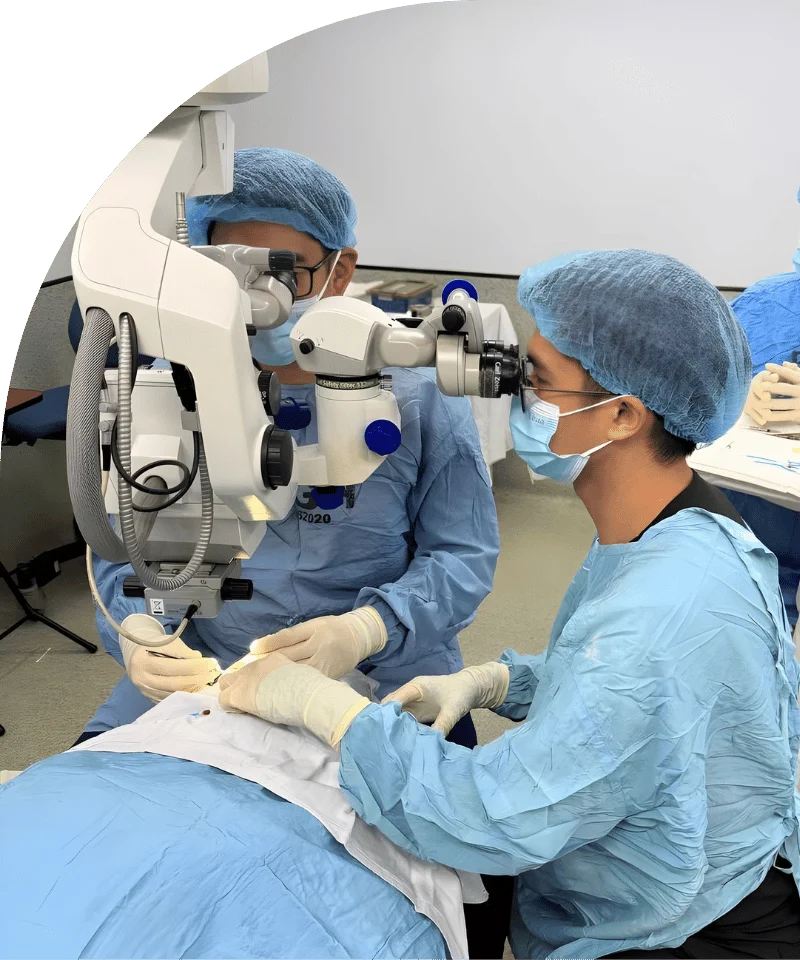
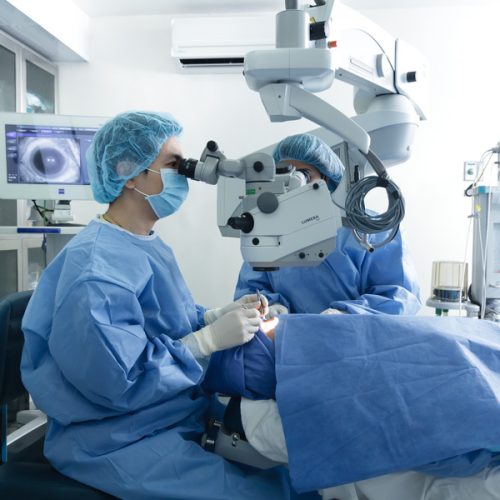
Laser treatments, including selective laser trabeculoplasty (SLT) and laser peripheral iridotomy (LPI), are frequently employed in Asian populations to prevent angle closure and preserve optic nerve function. Surgical options, such as trabeculectomy or minimally invasive glaucoma surgeries (MIGS), may be recommended for patients with advanced disease or inadequate response to medications. Peregrine Eye and Laser Institute provides expertise in selecting the most effective treatment combinations, ensuring safety and optimal outcomes for Asian patients.
Lifestyle and Preventive Measures
Lifestyle factors play an important role in supporting glaucoma treatment. Regular eye checkups, maintaining healthy blood pressure, managing diabetes, and avoiding activities that sharply increase eye pressure contribute to disease management. Nutritional support with antioxidants and vitamins may aid overall eye health.
Patient adherence to medication schedules and follow-up appointments is particularly crucial in Asian populations, where anatomical and genetic predispositions increase the risk of rapid progression. Clinics like Peregrine Eye and Laser Institute emphasize patient education, offering guidance on preventive strategies alongside clinical treatment.
Advanced and Emerging Treatments
Recent advancements in glaucoma treatment provide Asian patients with innovative options for preserving vision. Minimally invasive glaucoma surgeries (MIGS) offer lower-risk alternatives to traditional procedures and can be combined with cataract surgery to improve outcomes. Research continues on ethnicity-specific responses to medications and interventions, ensuring more personalized care.
Emerging therapies, including new drug delivery systems and neuroprotective agents, aim to slow disease progression while reducing side effects. Consulting a specialized center like Peregrine Eye and Laser Institute ensures access to cutting-edge treatments tailored to the unique needs of Asian patients.
Choosing the Right Specialist
Selecting an ophthalmologist experienced in treating Asian patients is critical for effective glaucoma treatment. Expertise in anatomical differences, cultural sensitivity, and individualized care leads to better outcomes. Peregrine Eye and Laser Institute stands out as a premier choice, offering comprehensive care, advanced diagnostic tools, and personalized treatment plans. Patients can trust that every step, from diagnosis to long-term management, is handled with precision and expertise.
FAQ
Q1: What makes glaucoma treatment different for Asian patients?
Asian patients are more prone to angle-closure glaucoma due to anatomical features such as shallow anterior chambers and narrow angles. Treatments are tailored to prevent angle closure and manage intraocular pressure effectively.
Q2: How often should Asian patients be screened for glaucoma?
Regular eye exams are recommended at least every 1–2 years for adults, with more frequent monitoring for those with risk factors, including family history or existing ocular conditions.
Q3: Are certain medications more effective for Asian patients?
Response to glaucoma medications may vary based on anatomy and genetics. Eye specialists, like those at Peregrine Eye and Laser Institute, can optimize treatment plans for the best results.
Q4: Can lifestyle changes prevent glaucoma progression in Asians?
While lifestyle changes cannot cure glaucoma, maintaining healthy habits, managing systemic conditions, and adhering to medication regimens support treatment efficacy and overall eye health.
Q5: When should surgical options be considered?
Surgery is considered when medications and laser treatments are insufficient to control intraocular pressure or when anatomical factors increase the risk of angle closure. Minimally invasive procedures may also be recommended for safer outcomes.