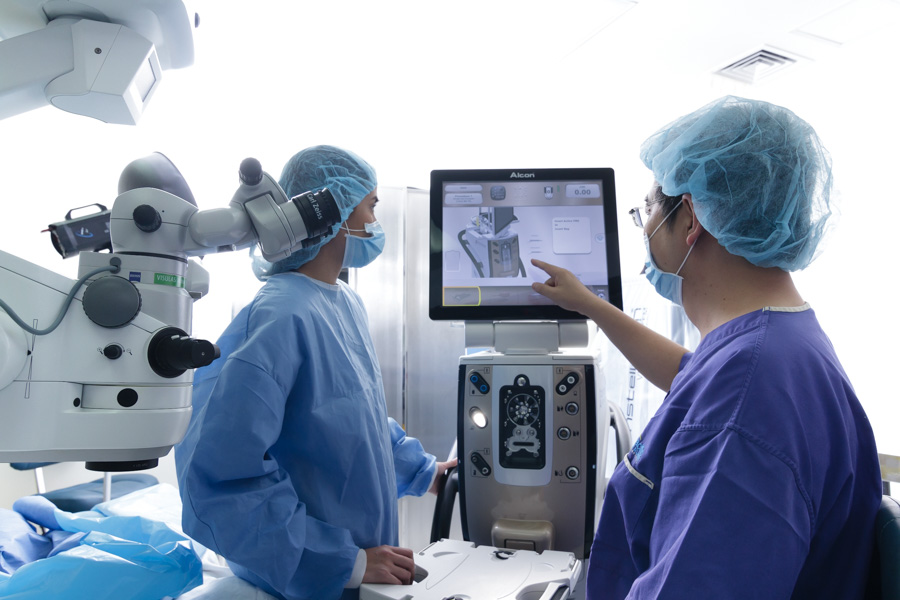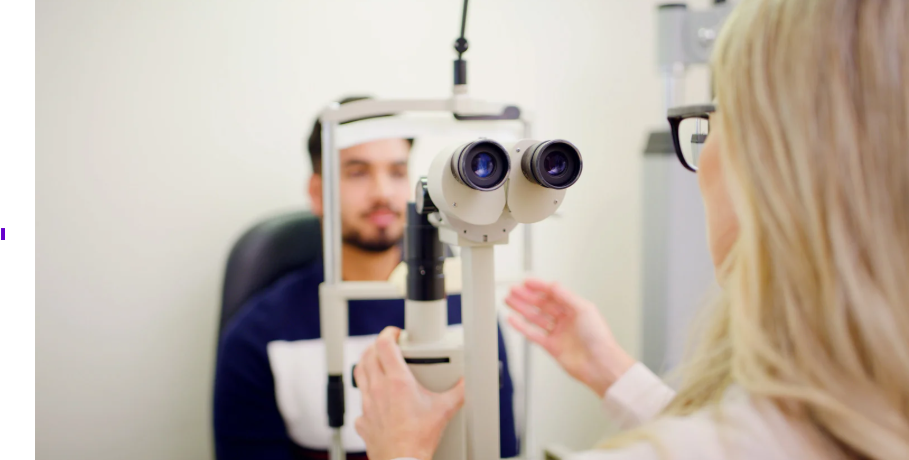

Vision loss caused by Glaucoma often develops silently, making regular eye examinations essential for long-term eye health. Glaucoma is a serious condition that damages the optic nerve and can lead to permanent blindness if not detected early. Because symptoms may not appear until significant damage has already occurred, proper testing plays a critical role in early diagnosis and management.
Modern eye care has introduced reliable and non-invasive diagnostic tools that help detect Glaucoma at its earliest stages. Among the most important are Tonometry, Optical Coherence Tomography (OCT), and Visual Field Exams. These tests work together to give eye specialists a complete understanding of eye health.
What is Glaucoma and Why Testing Matters
Glaucoma refers to a group of eye conditions that damage the optic nerve, often due to increased pressure inside the eye. The most common type, open-angle Glaucoma, progresses gradually, while angle-closure Glaucoma can occur suddenly and requires immediate attention.
The danger with Glaucoma lies in its subtle progression. Many patients are unaware they have the condition until vision loss begins, particularly in peripheral vision. Testing is essential because it allows eye specialists to detect early signs of Glaucoma before noticeable symptoms develop. Early diagnosis makes it possible to slow or prevent further damage.
Overview of Glaucoma Testing Methods
Diagnosing Glaucoma requires a combination of tests rather than relying on a single method. Eye specialists evaluate intraocular pressure, examine the optic nerve, and assess visual function to form a complete diagnosis.
Tonometry measures eye pressure, OCT provides detailed imaging of the optic nerve, and Visual Field Exams evaluate how well a person can see in different areas of their vision. Each test offers unique insights, making them essential components of comprehensive Glaucoma care.
Tonometry: Measuring Eye Pressure
Tonometry is one of the most common tests used to detect Glaucoma. It measures intraocular pressure (IOP), which is a key risk factor for developing the condition. Elevated eye pressure can damage the optic nerve over time, leading to vision loss.
There are different types of tonometry. Applanation tonometry involves gently touching the eye’s surface to measure pressure accurately, while non-contact tonometry uses a quick puff of air. Both methods are quick and generally painless.
Patients undergoing Tonometry can expect a simple procedure that takes only a few minutes. This test is often part of a routine eye exam and serves as an important first step in identifying potential Glaucoma.
OCT (Optical Coherence Tomography): Imaging the Optic Nerve
Optical Coherence Tomography, commonly known as OCT, is an advanced imaging technology that provides detailed cross-sectional images of the retina and optic nerve. This test allows eye specialists to detect structural changes caused by Glaucoma even before vision loss occurs.
OCT is especially valuable because it identifies thinning of the optic nerve fibers, a hallmark sign of Glaucoma. The procedure is non-invasive and involves looking into a machine that scans the eye using light waves.
Results from OCT help monitor the progression of Glaucoma and guide treatment decisions. Regular OCT scans are often recommended for patients at risk or already diagnosed with the condition.
Visual Field Test: Detecting Vision Loss
A Visual Field Test measures how well a person can see in their peripheral vision. Glaucoma often affects side vision first, making this test crucial for detecting functional vision loss.
During the test, patients look straight ahead while responding to lights that appear in different areas of their visual field. The results create a map that shows any blind spots or areas of reduced vision.
This test helps eye specialists understand how Glaucoma is affecting daily visual function and whether the condition is progressing. Repeated Visual Field Exams are often used to track changes over time.
Comparing Tonometry, OCT, and Visual Field Exams
Each Glaucoma test serves a specific purpose. Tonometry focuses on eye pressure, OCT examines the structure of the optic nerve, and Visual Field Exams assess how well a person can see.
Relying on just one test is not enough to diagnose or manage Glaucoma effectively. Combining these methods provides a more accurate and complete picture. For example, a patient may have normal eye pressure but still show optic nerve damage on OCT, highlighting the importance of comprehensive testing.
Who Should Get Tested for Glaucoma
Certain individuals are at higher risk of developing Glaucoma and should undergo regular testing. These include people over 40, individuals with a family history of Glaucoma, and those with medical conditions such as diabetes or high blood pressure.
Routine eye exams are recommended even for those without symptoms. Early detection through proper testing can prevent significant vision loss and improve long-term outcomes.
Preparing for a Glaucoma Eye Exam
Preparing for a Glaucoma exam is simple. Patients should bring their medical history, list of medications, and any previous eye test results. It is also helpful to inform the eye specialist about any vision changes or discomfort.
Most Glaucoma tests are quick and painless, and no special preparation is usually required. Understanding what to expect can help reduce anxiety and ensure a smooth experience.
Benefits of Early Glaucoma Detection
Detecting Glaucoma early provides a significant advantage in preserving vision. While there is no cure, treatments such as medications, laser therapy, or surgery can effectively manage the condition.
Early diagnosis allows for timely intervention, reducing the risk of severe vision loss. Consistent monitoring also helps adjust treatment plans as needed, ensuring optimal eye health.
Choosing the Right Eye Care Provider
Selecting a trusted eye care provider is essential for accurate Glaucoma diagnosis and management. Advanced technology, experienced specialists, and a patient-focused approach all contribute to better outcomes.
Lee Tan Eye Center stands out as a reliable choice for Glaucoma testing and care. With access to modern diagnostic tools such as Tonometry, OCT, and Visual Field Exams, Lee Tan Eye Center provides comprehensive evaluations and personalized treatment plans. Patients can feel confident knowing their eye health is in capable hands.
Takeaway
Glaucoma remains one of the leading causes of vision loss worldwide, but early detection can make a significant difference. Tonometry, OCT, and Visual Field Exams each play a vital role in identifying and managing Glaucoma.
Frequently Asked Questions (FAQ)
1. Is Glaucoma testing painful?
Glaucoma testing is generally painless. Some tests may involve slight pressure or a brief puff of air, but discomfort is minimal.
2. How long do Glaucoma tests take?
Most tests, including Tonometry, OCT, and Visual Field Exams, can be completed within 30 to 60 minutes as part of a comprehensive eye exam.
3. How often should I get tested for Glaucoma?
The frequency depends on your risk level. High-risk individuals may need annual exams, while others can follow their eye specialist’s recommendations.
4. Can Glaucoma be cured?
Glaucoma cannot be cured, but it can be managed effectively with early detection and proper treatment.
5. Why are multiple tests needed for Glaucoma?
Each test provides different information about eye health. Combining them ensures a more accurate diagnosis and better monitoring of the condition.