
Understanding Varicocele
Varicocele is a condition where veins in the scrotum become enlarged, similar to varicose veins that occur in the legs. It is a common condition, affecting approximately 15 percent of all men and up to 40 percent of men evaluated for infertility. The exact cause of varicocele is not always clear, but it often results from malfunctioning valves in the veins that prevent proper blood flow. This backward blood flow causes veins to swell, which can increase testicular temperature and negatively affect sperm production. Many men with varicocele may not notice any symptoms initially, but some report a dull, aching pain, swelling, or heaviness in the scrotum. Early recognition is important, especially for men trying to conceive, as varicocele can contribute to reduced fertility. Awareness of the condition and its potential impact on reproductive health is the first step toward effective treatment.
Diagnosing Varicocele
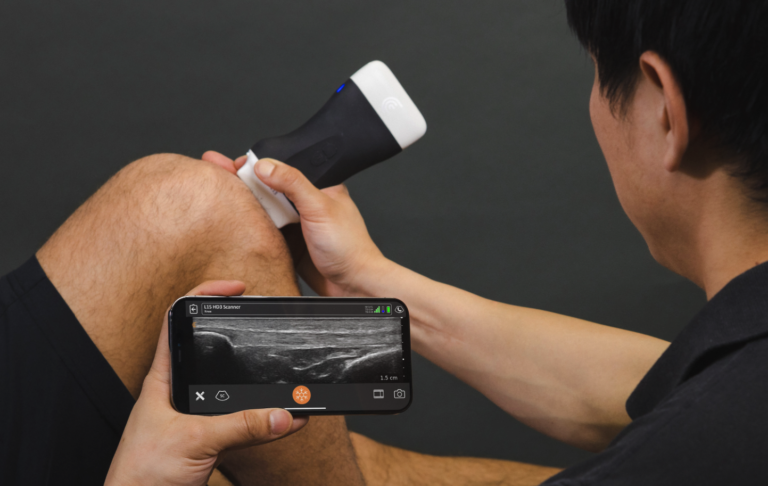
Diagnosis of varicocele usually begins with a physical examination where a doctor palpates the scrotum while the patient is standing and performing a Valsalva maneuver, which involves holding breath and bearing down. In some cases, the enlargement of veins can be subtle, making it difficult to detect through physical examination alone. Imaging techniques, such as scrotal ultrasound or Doppler studies, are often employed to confirm the diagnosis and assess blood flow. Doctors classify varicoceles into grades: mild, moderate, or severe, depending on the size and prominence of the veins. Proper diagnosis is critical, as it helps determine the most appropriate treatment method and the likelihood of improving fertility. If left untreated, varicocele can lead to testicular atrophy or persistent pain. Seeking medical advice promptly ensures timely intervention.
Varicocele Removal Options
Several approaches exist for varicocele removal, ranging from traditional surgery to minimally invasive procedures. Open surgery, performed via an inguinal or subinguinal incision, allows direct access to the affected veins and is a widely used method. Laparoscopic varicocelectomy involves small abdominal incisions and the use of a camera to guide vein ligation, which may result in faster recovery. Microsurgical varicocelectomy is considered one of the most precise procedures, using magnification to identify and preserve arteries while tying off abnormal veins. Percutaneous embolization offers a non-surgical alternative, where a small catheter is inserted to block the problematic veins. Choosing the right procedure depends on factors such as vein size, patient age, fertility goals, and surgeon expertise. Each method varies in terms of recovery time, risk of recurrence, and complication rates, making consultation with a urologist essential.
Preparing for Varicocele Removal
Preparation for varicocele removal begins with a detailed preoperative evaluation, including blood tests, imaging, and a review of overall health. Patients may need to adjust certain medications, stop smoking, and avoid alcohol before surgery to promote better outcomes. Understanding the type of anesthesia and procedure steps helps reduce anxiety and ensures realistic expectations. Surgeons often provide specific instructions on diet, hydration, and activity restrictions in the days leading up to surgery. Patients are encouraged to ask questions regarding the risks, benefits, and post-surgical recovery process. Mental preparation is equally important, as being informed and proactive can lead to a smoother experience. Following preoperative guidance improves recovery and reduces the risk of complications.
What to Expect During Surgery
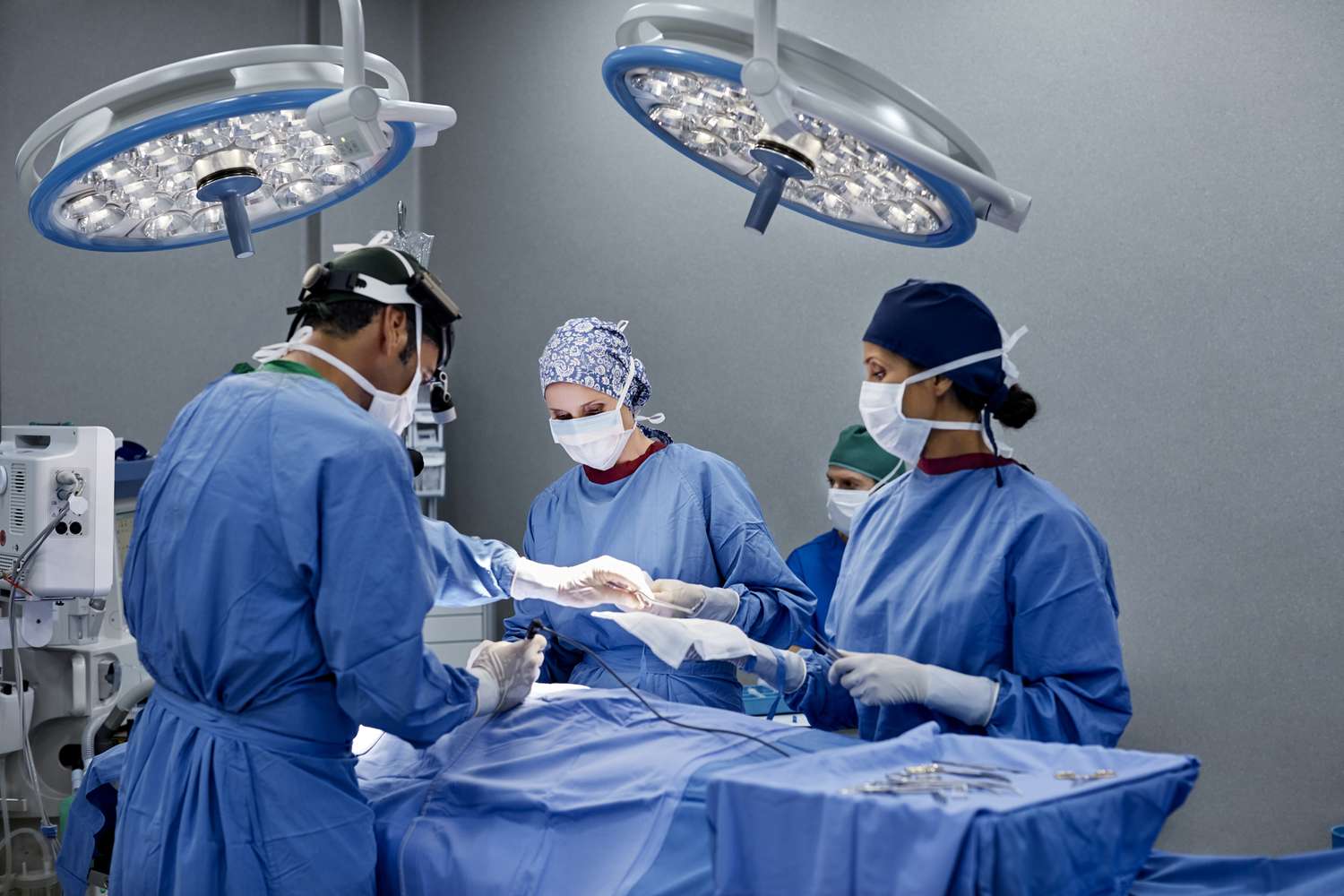
Varicocele removal surgery typically lasts between one and two hours, depending on the chosen procedure. The patient is placed under either general or local anesthesia, ensuring a painless experience during the operation. During open or microsurgical procedures, the surgeon carefully identifies abnormal veins while preserving essential arteries and lymphatics. Laparoscopic surgery involves a camera-guided approach through small abdominal incisions to tie off affected veins. In embolization procedures, a catheter is guided through a vein to block the enlarged vessels with coils or a sclerosant. Surgeons take meticulous steps to minimize risks such as bleeding or nerve damage. Knowing the procedural steps and expected duration can help patients feel more confident about the treatment.
Recovery and Postoperative Care
Postoperative recovery varies depending on the procedure type, but most patients experience some degree of discomfort, swelling, or bruising in the first few days. Pain management typically involves over-the-counter or prescribed medications, and ice packs may help reduce swelling. Patients are advised to avoid heavy lifting, strenuous exercise, and prolonged standing for a few weeks. Gradual return to daily activities is encouraged as pain subsides and mobility improves. Follow-up appointments help monitor healing and verify the success of the procedure. Good hygiene and careful attention to the surgical site reduce infection risk. Lifestyle adjustments such as wearing supportive underwear and avoiding activities that strain the groin can aid in a faster recovery.
Risks and Potential Complications
Varicocele removal is generally safe, but like all medical procedures, it carries some risks. Short-term complications may include infection, bleeding, and fluid accumulation in the scrotum, known as hydrocele formation. Long-term risks include recurrence of varicocele, persistent discomfort, or rare cases of testicular atrophy. The likelihood of complications can differ depending on the surgical approach, with microsurgical techniques often showing the lowest risk of recurrence. Patients should be aware of warning signs such as persistent swelling, fever, or severe pain and contact their surgeon promptly. Careful adherence to post-surgical instructions can minimize complications. Being informed about potential risks helps patients make better decisions regarding treatment options.
Effect on Fertility and Hormonal Health
One of the main goals of varicocele removal is to improve fertility in men affected by this condition. Studies show that microsurgical varicocelectomy can lead to significant improvements in sperm count, motility, and overall quality. In addition, some patients experience an increase in testosterone levels, which may positively influence overall hormonal health. Not all men see the same level of improvement, and factors such as age, severity of varicocele, and baseline fertility status play a role. Follow-up semen analysis and hormone testing are essential to monitor progress after surgery. Understanding the potential benefits allows patients to make informed decisions about treatment. Fertility-focused outcomes are often the driving factor in choosing to pursue varicocele removal.
Lifestyle and Home Remedies to Support Recovery
Supporting recovery after varicocele removal involves a combination of proper rest, nutrition, and cautious physical activity. Patients are advised to maintain a balanced diet rich in protein, vitamins, and antioxidants to promote tissue healing. Staying hydrated and avoiding smoking or alcohol helps accelerate recovery. Gentle exercise, such as walking, is recommended while avoiding heavy lifting or strenuous sports during the initial weeks. Wearing supportive underwear or a jockstrap can help reduce discomfort and prevent swelling. Regular self-checks and monitoring for any unusual symptoms ensure early detection of complications. Incorporating these habits not only aids recovery but also supports long-term testicular health.
Frequently Asked Questions (FAQ)
What is the success rate of varicocele removal?
Success rates vary by procedure type, with microsurgical varicocelectomy often achieving over 90 percent success in eliminating varicoceles and improving fertility.
Is varicocele removal painful?
Most patients experience mild to moderate discomfort, which can be managed with medication and typically subsides within a few days to weeks.
How long does it take to fully recover after varicocele surgery?
Recovery usually takes two to six weeks, depending on the procedure and the patient’s overall health and activity level.
Can varicocele come back after treatment?
Recurrence is rare but possible, especially if less precise surgical techniques are used. Microsurgical methods have the lowest recurrence rates.
Does varicocele removal improve fertility in all men?
Fertility improvement depends on the severity of varicocele, baseline sperm quality, and other underlying factors. Not all men will see the same results.
Are there non-surgical ways to treat varicocele effectively?
Percutaneous embolization offers a minimally invasive option, and conservative management may be considered for men without symptoms or fertility concerns.
How soon can sexual activity be resumed after surgery?
Sexual activity is usually safe after three to four weeks, provided the patient experiences no pain or swelling.
Takeaway
Varicocele removal offers an effective solution for men experiencing discomfort or fertility issues due to enlarged testicular veins. Understanding the condition, available treatment options, and recovery expectations empowers patients to make informed decisions. Surgical and minimally invasive techniques provide excellent success rates, particularly when performed by experienced urologists. Proper preparation, adherence to postoperative care, and lifestyle adjustments play a vital role in achieving optimal results. For men seeking to improve fertility, hormonal health, or relieve discomfort, exploring varicocele removal with a qualified specialist is a proactive step toward better reproductive and overall well-being.