Diabetic wounds can become serious complications for patients with diabetes, especially those at high risk. Consulting a diabetic wound doctor is essential for preventing infections, promoting healing, and minimizing the risk of long-term complications. Kalingap Wound Care Clinic provides expert services tailored to high-risk patients, offering comprehensive care that ensures wounds are treated effectively and safely.
What Makes a Patient High-Risk for Diabetic Wounds?
High-risk patients are more vulnerable to diabetic wounds due to several factors. Chronic diabetes with poor blood sugar control can slow healing and increase infection risk. Patients with a history of ulcers or recurring infections are particularly susceptible, as previous wounds can indicate underlying issues with circulation or neuropathy. Age, lifestyle factors, and additional health conditions, such as kidney disease or cardiovascular problems, can also elevate risk. Identifying high-risk patients early allows a diabetic wound doctor to provide targeted care that prevents serious complications before they develop.
Services Offered by Diabetic Wound Doctors
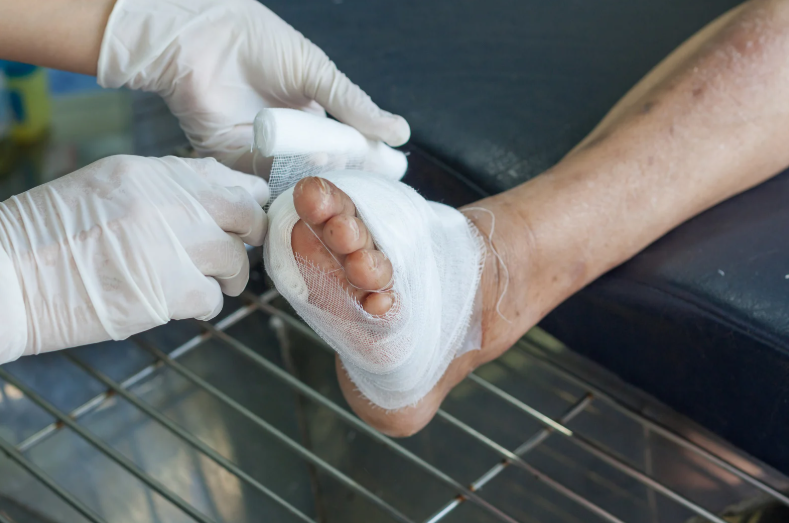
A diabetic wound doctor provides specialized care that addresses every stage of wound management. Comprehensive wound assessment and monitoring help identify the severity and type of wound, allowing for precise treatment planning. Advanced wound care treatments, including debridement, specialized dressings, and negative pressure therapy, promote faster healing while minimizing infection risk. Diabetic wound doctors also manage infections with appropriate antibiotic therapy and provide offloading techniques for foot ulcers to reduce pressure and promote recovery. Education on lifestyle modifications, nutrition, and blood sugar management is part of the service, ensuring patients understand how to support healing at home. Kalingap Wound Care Clinic excels in coordinating care with endocrinologists, podiatrists, and other specialists, creating a holistic approach for high-risk patients.
Benefits of Consulting a Diabetic Wound Doctor
Consulting a diabetic wound doctor offers numerous advantages for high-risk patients. Professional care ensures wounds heal faster and reduces the likelihood of complications such as infections or amputations. Personalized care plans are designed to meet the unique needs of each patient, taking into account their medical history, lifestyle, and wound severity. Continuous monitoring by a diabetic wound doctor allows for timely intervention if healing slows or complications arise. Patients and their families gain peace of mind knowing that an expert team, like Kalingap Wound Care Clinic, is actively managing the healing process, preventing avoidable risks, and promoting long-term wellness.
Tips for High-Risk Patients to Manage Diabetic Wounds at Home
High-risk patients play a crucial role in managing their wounds at home alongside the guidance of a diabetic wound doctor. Daily inspections of the feet and other vulnerable areas can detect issues early. Maintaining proper blood sugar levels, eating a balanced diet rich in vitamins and minerals, and staying hydrated supports wound healing. Avoiding smoking and limiting alcohol intake reduces complications and enhances circulation. Following doctor-recommended wound care routines, including dressing changes and hygiene practices, ensures that wounds remain protected and clean. Kalingap Wound Care Clinic emphasizes patient education, empowering high-risk individuals to take an active role in their recovery.
How to Choose the Right Diabetic Wound Doctor
Selecting the right diabetic wound doctor is critical for ensuring effective care. Look for credentials and specialization in diabetic wound care, as experience with high-risk patients is vital. Access to advanced wound care technology, such as negative pressure therapy or specialized dressings, can improve healing outcomes. A patient-centered approach that includes education, clear communication, and holistic care ensures that patients understand their condition and treatment plan. Checking facility reputation, patient reviews, and success rates can provide additional assurance. Kalingap Wound Care Clinic is recognized for its expertise, state-of-the-art technology, and compassionate approach, making it the ideal choice for high-risk patients seeking diabetic wound care.
FAQ
What is considered a diabetic wound?
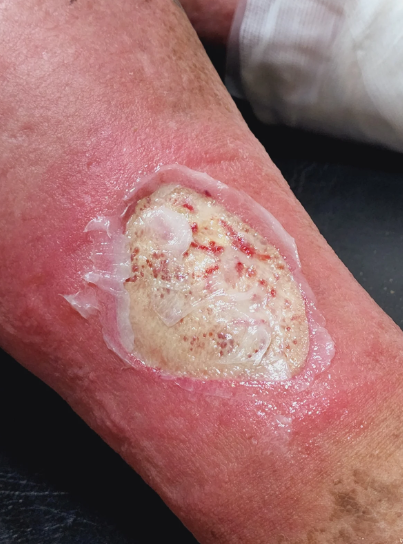
A diabetic wound is an injury or ulcer on the skin that occurs in patients with diabetes, often due to poor circulation, nerve damage, or high blood sugar levels.
Who qualifies as a high-risk diabetic patient?
High-risk patients typically have uncontrolled diabetes, a history of ulcers or infections, neuropathy, circulation issues, or other complicating health conditions.
How often should high-risk patients see a diabetic wound doctor?
Frequency varies depending on wound severity and patient risk factors, but regular visits and follow-ups are essential for monitoring healing and preventing complications.
Can diabetic wounds heal at home without medical supervision?
While minor wounds may heal with proper care, high-risk patients should always consult a diabetic wound doctor to avoid serious complications.
What advanced treatments are available for diabetic wounds?
Diabetic wound doctors may use debridement, specialized dressings, negative pressure therapy, infection management, and offloading techniques to promote healing and prevent recurrence.