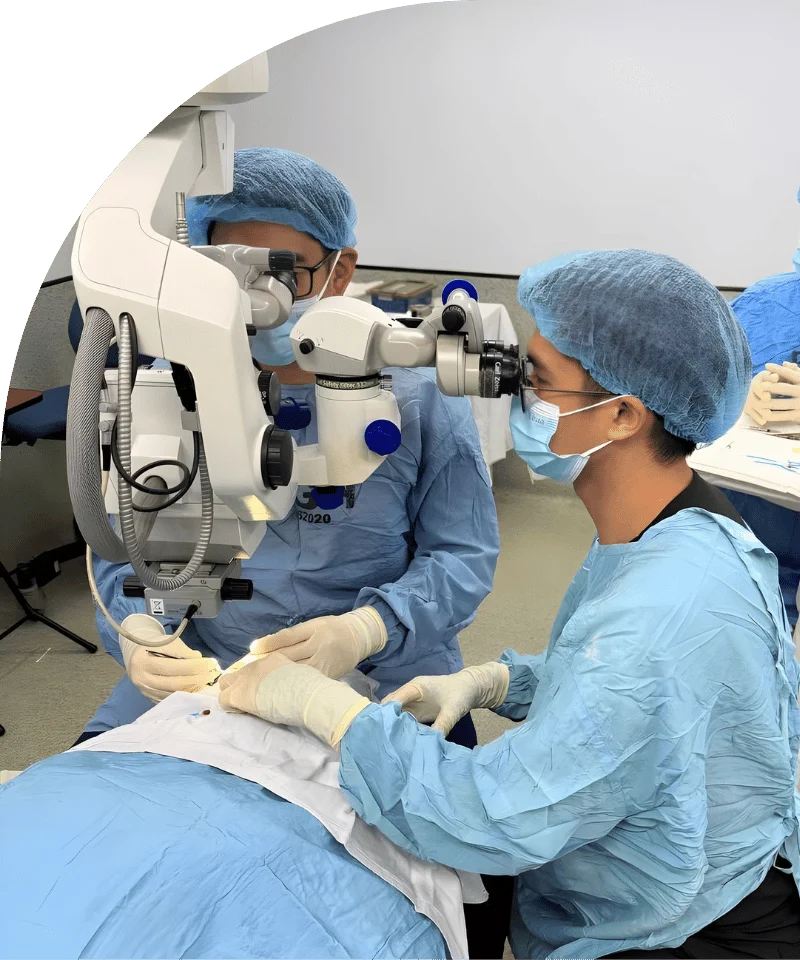

Cataract Surgery is one of the most common and successful procedures to restore vision. Understanding the recovery process is essential for achieving the best results and maintaining eye health. At Lee Tan Eye Center, patients receive personalized care and clear guidance to ensure a smooth recovery and lasting vision improvement.
What to Expect Immediately After Cataract Surgery
Right after Cataract Surgery, it is normal to experience mild discomfort, blurred vision, or watery eyes. Your ophthalmologist will provide protective eye shields to prevent accidental rubbing or injury. Eye drops are prescribed to prevent infection and reduce inflammation, and rest is highly recommended for the first 24 hours. Patients often notice that vision may be hazy at first, but this typically improves within a few days as the eye begins to heal. Lee Tan Eye Center ensures that every patient understands these initial steps and feels supported during the immediate post-operative period.
Day-by-Day Recovery Timeline
Cataract Surgery recovery follows a general timeline, though individual experiences may vary.
Day 1–3: Rest is critical, and patients should minimize activities that strain the eyes. Prescribed eye drops must be applied as directed. Avoiding bright lights and rubbing the eyes can prevent complications.
Day 4–7: Light daily activities can gradually resume. Vision may still be slightly blurry, but improvement should be noticeable. Monitoring for unusual symptoms like severe redness or pain is important, and any concerns should be reported to your ophthalmologist.
Week 2: Vision generally stabilizes, and follow-up appointments help ensure the eye is healing properly. Eye drops may continue, but patients often start seeing more clearly.
Week 4–6: Most patients achieve significant vision clarity. Normal activities, including reading, working on screens, and light exercise, can typically resume under professional guidance. Lee Tan Eye Center provides thorough post-op evaluations to confirm healing progress and address any lingering concerns.
Common Post-Surgery Symptoms and How to Manage Them
Some symptoms are normal during Cataract Surgery recovery, including mild itching, irritation, or sensitivity to light. Blurred vision may persist for a short time, and eyes may feel slightly gritty. Using prescribed eye drops, wearing sunglasses outdoors, and avoiding touching the eyes can ease discomfort. Contacting your ophthalmologist promptly if severe pain, sudden vision loss, or excessive redness occurs is crucial. Patients at Lee Tan Eye Center receive detailed guidance on symptom management and know exactly when to seek urgent care.
Dos and Don’ts During Cataract Surgery Recovery
Dos:
- Follow your prescribed eye drop regimen closely.
- Wear protective eye shields or glasses as advised.
- Attend all follow-up appointments.
- Maintain proper hygiene, especially around the eyes.
Don’ts:
- Avoid heavy lifting or strenuous exercise for the first few weeks.
- Do not swim or use hot tubs until cleared by your ophthalmologist.
- Refrain from rubbing or pressing on the eyes.
- Minimize exposure to dust, smoke, or strong winds.
Adhering to these instructions significantly reduces the risk of complications and supports a smooth recovery. Lee Tan Eye Center provides clear, easy-to-follow instructions tailored to each patient’s needs.
Nutrition and Lifestyle for Faster Recovery
A balanced diet rich in vitamins A, C, and E supports eye healing. Leafy greens, colorful vegetables, and foods high in antioxidants can contribute to stronger eye tissue and reduced inflammation. Hydration is also essential. Patients should avoid smoking and limit excessive screen time during recovery, as these can strain healing eyes. Lee Tan Eye Center emphasizes the role of nutrition and lifestyle in promoting faster, safer recovery after Cataract Surgery.
When to Seek Medical Attention
While most symptoms are mild and temporary, certain signs require immediate medical attention. Severe pain, flashes of light, sudden decrease in vision, or excessive redness may indicate complications. Prompt evaluation by a qualified ophthalmologist is critical. Lee Tan Eye Center provides emergency contact options and ensures that patients receive immediate care when needed, reducing the risk of long-term issues.
Tips for Long-Term Eye Health After Cataract Surgery
Cataract Surgery not only restores vision but also offers an opportunity to maintain long-term eye health. Regular eye exams are essential for detecting new issues early. Managing underlying conditions like diabetes or high blood pressure can prevent further eye damage. Wearing sunglasses and following proper eye care routines helps preserve vision. Patients of Lee Tan Eye Center benefit from comprehensive guidance on maintaining healthy eyes and preventing future problems.
FAQ
How long does it take to fully recover from Cataract Surgery?
Most patients see significant improvement within 4–6 weeks, though vision may start to clear within a few days.
Can I drive after Cataract Surgery?
Driving is generally not recommended immediately after surgery. Patients should wait until vision is clear and approved by their ophthalmologist.
Is blurred vision normal after Cataract Surgery?
Yes, mild blurriness is normal during the first days of recovery and usually resolves as healing progresses.
What are common side effects during Cataract Surgery recovery?
Temporary itching, mild discomfort, watery eyes, and sensitivity to light are common. Severe symptoms should be reported promptly.
How can I speed up Cataract Surgery recovery safely?
Following prescribed eye drops, wearing protective eyewear, maintaining proper hygiene, eating a nutritious diet, and attending follow-ups all promote faster and safer recovery.