What Vitreo Retina Management Means for Your Eye Health
Vitreo Retina Management is a specialized branch of eye care focused on conditions affecting the back portion of the eye, particularly the vitreous gel and the retina. These structures are essential for capturing and transmitting visual information to the brain, allowing you to see clearly and respond to your surroundings. When problems occur in these areas, vision can be distorted, reduced, or even permanently lost if not properly addressed. This type of care goes beyond routine eye exams and requires advanced expertise, tools, and treatment methods. Many individuals may not realize that symptoms such as floaters or flashes could indicate deeper retinal concerns. Through proper Vitreo Retina Management, patients receive accurate diagnoses and personalized treatment plans. This ensures that both minor and complex conditions are handled with precision and care. Protecting vision begins with understanding the importance of this specialized field.
A Closer Look at the Vitreous and Retina
The vitreous is a clear, gel-like substance that fills the center of the eye and helps maintain its round shape. It also allows light to pass through to the retina without obstruction, playing a silent yet vital role in vision. The retina is a thin layer of tissue located at the back of the eye, responsible for converting light into signals that the brain can interpret. Within the retina, specialized cells known as rods and cones detect light intensity and color. The macula, positioned at the center, is critical for sharp and detailed vision. Peripheral areas of the retina help with motion detection and side vision. As people age, changes in the vitreous and retina can lead to various conditions requiring medical attention. Understanding how these components function together highlights why Vitreo Retina Management is so essential.
Conditions Treated Through Vitreo Retina Management
A wide range of eye conditions fall under Vitreo Retina Management, each requiring careful evaluation and treatment. Retinal detachment is one of the most urgent conditions, as it can lead to permanent vision loss if not treated quickly. Diabetic retinopathy develops due to prolonged high blood sugar levels and affects the blood vessels in the retina. Macular degeneration, often associated with aging, impacts central vision and can make everyday tasks difficult. Retinal vein occlusion occurs when blood flow is blocked, causing swelling and vision problems. Vitreous hemorrhage can result from injury or disease, leading to cloudy or darkened vision. Posterior vitreous detachment is common with aging but may sometimes lead to complications. Addressing these conditions early through proper management significantly improves the chances of preserving vision.
Who Is at Risk and Why It Matters
Certain individuals are more likely to develop retinal conditions and benefit from regular monitoring. People with diabetes are at high risk due to the impact of blood sugar levels on retinal blood vessels. Aging is another major factor, as natural changes in the eye can lead to degeneration over time. Genetics can also play a role, especially for conditions like macular degeneration. Individuals who have experienced eye trauma or undergone eye surgery may require closer observation. Lifestyle factors such as smoking and poor nutrition can increase the likelihood of developing retinal issues. Even those with no symptoms should consider routine eye exams to detect hidden problems. Recognizing risk factors allows for early intervention and better long term outcomes.
Warning Signs That Require Immediate Attention
Many retinal conditions develop silently, but certain symptoms should never be ignored. Sudden flashes of light may indicate traction on the retina and require urgent evaluation. A rapid increase in floaters can be a sign of vitreous changes or bleeding within the eye. Blurred or distorted vision may point to issues in the macula, affecting central vision. Loss of peripheral vision can make it difficult to navigate surroundings safely. Dark shadows or curtain-like effects across vision are often linked to retinal detachment. These symptoms may appear suddenly or worsen over time. Seeking prompt care ensures that appropriate treatment can begin before the condition progresses.
Diagnostic Tools Used in Vitreo Retina Management
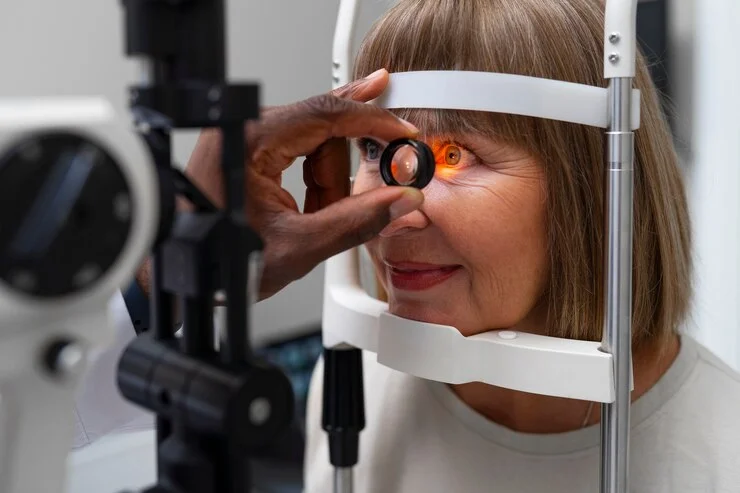
Accurate diagnosis is the cornerstone of effective treatment in Vitreo Retina Management. Eye specialists use a variety of advanced tools to assess the health of the vitreous and retina. A dilated eye exam allows for a detailed view of the retina and helps identify abnormalities. Optical Coherence Tomography provides high resolution cross sectional images of retinal layers. Fluorescein angiography tracks blood flow and detects leaks or blockages in retinal vessels. Ultrasound imaging is useful when visibility is limited due to bleeding or other obstructions. Fundus photography captures detailed images for ongoing monitoring and comparison. These diagnostic methods work together to provide a comprehensive understanding of the condition. Early and precise diagnosis leads to more effective treatment strategies.
Treatment Options Without Surgery
Not all retinal conditions require surgery, and many can be managed through non invasive treatments. Medications delivered through intravitreal injections target specific diseases affecting the retina. Laser therapy is often used to seal leaks or repair minor retinal tears. Anti VEGF treatments help reduce abnormal blood vessel growth and swelling in the retina. Steroids may be prescribed to control inflammation and improve visual outcomes. In some cases, careful observation is recommended when the condition is stable. These treatments aim to preserve vision and prevent further damage. Regular monitoring ensures that any changes are addressed promptly.
Surgical Solutions for Complex Cases
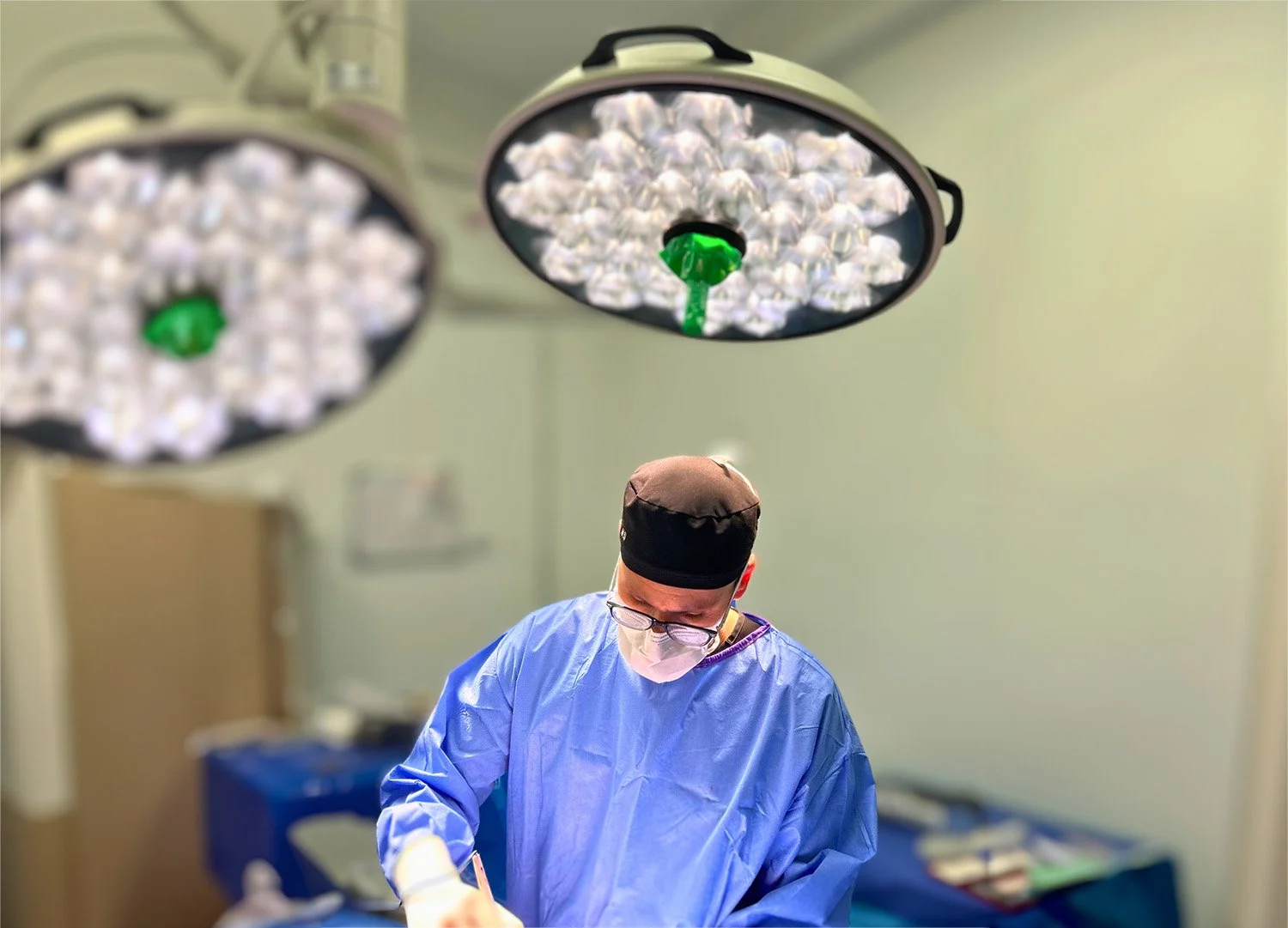
When conditions are more advanced, surgical intervention may be necessary to restore or preserve vision. Vitrectomy is a procedure that removes the vitreous gel to access and repair the retina. Scleral buckle surgery supports the retina by placing a band around the eye. Pneumatic retinopexy involves injecting a gas bubble to help reposition the retina. Membrane peeling is used to remove scar tissue that can distort vision. Advances in surgical techniques have made these procedures safer and more effective. Recovery times have improved, allowing patients to return to daily activities sooner. Each procedure is tailored to the patient’s specific condition for optimal results.
Recovery and Ongoing Eye Care
After treatment, proper care is essential for achieving the best possible results. Patients may experience temporary discomfort or blurred vision during the healing process. Following medical advice, including the use of prescribed eye drops, is crucial. Some procedures require specific head positioning to support healing. Regular follow up visits allow specialists to monitor progress and address any concerns. Patients should remain alert for unusual symptoms such as increased pain or sudden vision changes. Vision rehabilitation may help individuals adjust to any lasting effects. Consistent care ensures long term eye health and stability.
Practical Steps to Protect Your Vision
Preventing retinal conditions involves a combination of healthy habits and regular checkups. Routine eye exams help detect issues before they become serious. Managing chronic conditions like diabetes and hypertension supports retinal health. Wearing protective eyewear reduces the risk of injury during physical activities. A balanced diet rich in essential nutrients promotes overall eye function. Avoiding smoking helps maintain proper blood circulation in the eyes. Staying physically active contributes to better overall health, including vision. These steps play a vital role in effective Vitreo Retina Management.
Essential Habits for Strong Retinal Health
- Schedule consistent eye examinations with a specialist
- Maintain stable blood sugar and blood pressure levels
- Eat leafy greens, fish, and antioxidant rich foods
- Use sunglasses to protect against UV rays
- Avoid smoking and reduce harmful lifestyle habits
- Stay active and maintain a healthy weight
Innovations Shaping Vitreo Retina Management
Modern advancements are transforming the way retinal conditions are diagnosed and treated. High resolution imaging technologies allow for earlier detection of subtle changes. Artificial intelligence is being used to analyze eye scans with remarkable accuracy. Gene therapy offers new possibilities for treating inherited retinal diseases. Improved drug delivery systems reduce the frequency of treatments while enhancing effectiveness. Minimally invasive surgical techniques provide better outcomes with shorter recovery periods. These innovations continue to improve patient experiences and treatment success rates. The future of Vitreo Retina Management looks promising with ongoing research and development.
Finding the Right Eye Specialist
Choosing a qualified specialist is a key step in managing retinal conditions effectively. A vitreoretinal specialist has advanced training in diagnosing and treating complex eye diseases. Patients should look for professionals who use modern diagnostic tools and techniques. Asking about experience, treatment options, and expected outcomes can help build trust. The quality of care provided by the clinic also plays an important role in the overall experience. A supportive and knowledgeable team ensures that patients feel comfortable throughout their treatment journey. Open communication between patient and specialist leads to better results. Making informed decisions helps ensure high quality care.
Frequently Asked Questions
What is Vitreo Retina Management
It is specialized medical care focused on diagnosing and treating conditions affecting the vitreous and retina.
Who should consider retinal screening
Individuals with diabetes, aging concerns, or a family history of eye disease should undergo regular screenings.
Are retinal problems reversible
Some conditions can be treated successfully, especially when detected early, while others may only be managed.
Is laser treatment painful
Most patients experience minimal discomfort during laser procedures, and they are generally well tolerated.
How long do retinal treatments last
The duration varies depending on the condition, with some requiring ongoing management.
Can lifestyle changes improve retinal health
Yes, maintaining a healthy lifestyle can significantly reduce the risk of developing retinal conditions.
What should I do if I see sudden floaters
Seek immediate evaluation by an eye specialist to rule out serious conditions.
Are follow up visits necessary
Yes, regular follow ups are essential for monitoring progress and ensuring effective treatment.
Takeaway
Vitreo Retina Management plays a crucial role in maintaining clear and functional vision, especially as individuals age or face health risks. Understanding the importance of early detection, recognizing warning signs, and seeking expert care can make a significant difference in outcomes. With modern diagnostic tools and advanced treatments, managing retinal conditions has become more effective than ever. Preventive care and healthy lifestyle choices remain essential for long term eye health. Selecting a skilled specialist ensures access to the best available treatments and guidance. Taking proactive steps today helps protect vision for the future.