Proper 2nd Degree Burn Wound Care is essential for speeding up recovery and minimizing complications. Burns that penetrate deeper than the top layer of skin require specialized care to prevent infection, reduce pain, and promote faster healing. Engaging professional services, such as Kalingap Wound Care Clinic, ensures that treatment is effective, safe, and tailored to the patient’s needs.
Understanding 2nd Degree Burns
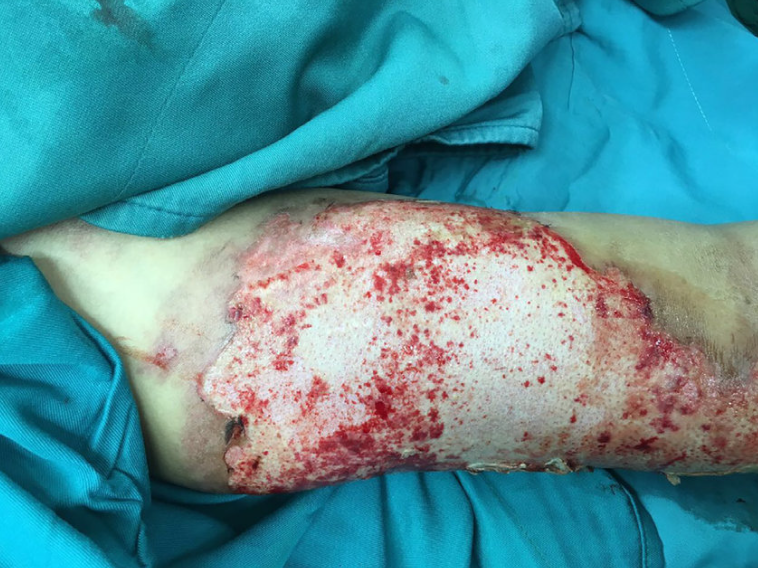
2nd degree burns affect both the epidermis and part of the dermis, resulting in blistering, redness, swelling, and intense pain. Unlike 1st degree burns, which only damage the outer layer of skin, 2nd degree burns carry a higher risk of infection and delayed healing if not treated properly. Recognizing the severity of these burns and applying consistent 2nd Degree Burn Wound Care techniques is crucial for recovery.
Immediate First Aid for 2nd Degree Burns
Immediate first aid can greatly influence the healing timeline. The first step is to cool the burn using clean, cool water for 10–20 minutes. Avoid applying ice directly, as this can cause further tissue damage. Do not pop blisters, as they serve as natural protection against infection. Cleaning the area gently with mild soap and covering it with a sterile dressing provides the foundation for proper 2nd Degree Burn Wound Care. When professional guidance is available, contacting Kalingap Wound Care Clinic ensures the burn is assessed and treated correctly from the start.
Proper Burn Wound Care Techniques
Maintaining cleanliness and protection of the burn is a cornerstone of 2nd Degree Burn Wound Care. Daily wound cleaning and the use of appropriate dressings help prevent infection and encourage faster skin regeneration. Non-stick, moisture-retaining dressings allow the wound to heal while reducing pain and protecting delicate skin. Topical ointments recommended by professionals can further accelerate recovery and minimize scarring. At Kalingap Wound Care Clinic, patients receive personalized guidance on dressing changes, wound cleaning, and infection prevention, ensuring optimal healing.
Role of Pain Management in Recovery
Pain management is an important component of 2nd Degree Burn Wound Care. Over-the-counter pain relievers can help manage discomfort, but professional evaluation is necessary if pain persists or intensifies. Proper pain control allows patients to maintain mobility and function, which can improve overall recovery. Kalingap Wound Care Clinic provides tailored pain management strategies alongside wound care, making the healing process more comfortable and efficient.
Nutrition and Lifestyle Tips for Faster Healing
Recovery from 2nd degree burns is supported by a nutritious diet and healthy lifestyle habits. Adequate hydration is critical for skin regeneration, while protein intake supports tissue repair. Vitamins such as Vitamin C and minerals like zinc play a key role in wound healing. Avoiding smoking and excessive alcohol consumption ensures the body can focus its energy on repairing the burn. Integrating these practices with professional 2nd Degree Burn Wound Care can significantly reduce healing time.
Signs of Complications
Even with proper care, complications can occur. Signs of infection include increased redness, swelling, pus formation, foul odor, or rising fever. Delayed healing or unusual changes in the wound’s appearance should prompt immediate medical attention. Consulting specialists at Kalingap Wound Care Clinic helps detect and address complications early, preventing more serious outcomes and supporting consistent recovery.
When to Seek Professional Help
Professional 2nd Degree Burn Wound Care is necessary for burns that cover large areas, affect sensitive regions like the face or hands, or fail to heal within a reasonable timeframe. Advanced treatments, including hydrocolloid dressings, laser therapy, and skin grafts, are available for complex cases. Kalingap Wound Care Clinic offers expert evaluation and treatment plans tailored to each patient’s needs, ensuring the best chance for a fast, safe recovery.
Prevention and Long-Term Skin Care
Post-healing care is essential to prevent scarring and protect new skin. Protect healing areas from sun exposure, use gentle moisturizers, and follow scar management strategies recommended by professionals. Consistent attention to skin health complements ongoing 2nd Degree Burn Wound Care, promoting long-term recovery and minimizing lasting damage.
Takeaway
Effective 2nd Degree Burn Wound Care can dramatically speed up recovery while reducing the risk of complications. Following proper first aid, wound care techniques, pain management, and lifestyle practices is essential. Partnering with experienced professionals like Kalingap Wound Care Clinic ensures that every step of the healing process is guided by expertise, making recovery faster, safer, and more comfortable.
FAQ
How long does it take for a 2nd degree burn to heal?
Healing time varies but typically ranges from 2–3 weeks, depending on burn size and care quality. Proper 2nd Degree Burn Wound Care can shorten recovery time.
Can I pop blisters on a 2nd degree burn?
No, blisters protect the underlying skin. Popping them increases infection risk and slows healing.
What is the best dressing for 2nd degree burns?
Moisture-retaining, non-stick dressings are recommended. Professional guidance from Kalingap Wound Care Clinic ensures the right dressing is used.
When should I see a doctor for a burn?
Seek professional help if the burn covers a large area, involves the face or hands, shows signs of infection, or fails to heal.
How can I minimize scarring after a 2nd degree burn?
Follow proper wound care, protect new skin from sun exposure, use recommended moisturizers, and consider professional scar management techniques.