Wound-related complications are one of the leading causes of preventable amputations worldwide. When wounds are left untreated or improperly managed, they can progress into severe infections, tissue death, and irreversible damage. Effective Wound Care Management plays a critical role in stopping this progression, preserving limbs, and improving quality of life. With expert intervention and advanced treatment options, amputation is often avoidable, especially when care is provided by a trusted provider like Kalingap Wound Care Clinic.
Understanding the Link Between Chronic Wounds and Amputation
Chronic wounds are injuries that fail to heal within an expected timeframe, typically four weeks or longer. These wounds often result from underlying conditions such as diabetes, poor circulation, nerve damage, or prolonged pressure. Without proper Wound Care Management, chronic wounds can become infected, allowing bacteria to spread to deeper tissues and bone.
As infections worsen, blood supply becomes compromised, leading to tissue death or gangrene. At this advanced stage, amputation may be the only option to prevent life-threatening complications. Early and consistent Wound Care Management interrupts this cycle by promoting healing and preventing infection before it becomes severe.
What Is Wound Care Management?
Wound Care Management is a comprehensive medical approach focused on evaluating, treating, and monitoring wounds to ensure optimal healing. It goes beyond basic wound cleaning and bandaging by addressing the root causes of delayed healing.
This process often involves wound care specialists, nurses, and physicians working together to create individualized treatment plans. Advanced diagnostic tools, modern dressings, infection control strategies, and patient education are all key components. Kalingap Wound Care Clinic specializes in evidence-based Wound Care Management, ensuring each patient receives personalized and effective treatment.
Common Conditions That Increase Amputation Risk
Diabetic Foot Ulcers
Diabetes is one of the leading causes of lower-limb amputations. High blood sugar damages nerves and blood vessels, reducing sensation and circulation in the feet. Minor injuries may go unnoticed and worsen over time. Without professional Wound Care Management, diabetic foot ulcers can quickly become infected and lead to amputation. Kalingap Wound Care Clinic provides specialized diabetic wound care focused on limb preservation.
Peripheral Artery Disease (PAD)
Peripheral artery disease restricts blood flow to the extremities, depriving wounds of oxygen and nutrients needed for healing. Wounds associated with PAD heal slowly and are highly prone to infection. Proper Wound Care Management includes vascular assessment and collaboration with specialists to restore circulation when possible.
Pressure Ulcers and Trauma Wounds
Pressure ulcers commonly affect individuals with limited mobility, while trauma wounds may result from accidents or surgery. Both types require close monitoring and expert Wound Care Management to prevent complications that could lead to tissue damage or amputation.
How Wound Care Management Prevents Amputation
Early Detection and Intervention
One of the most important aspects of Wound Care Management is early detection. Regular wound assessments allow clinicians to identify signs of infection, poor circulation, or delayed healing before they escalate. Early intervention significantly reduces the risk of amputation. Kalingap Wound Care Clinic prioritizes timely evaluation to protect patients from severe outcomes.
Infection Control and Debridement
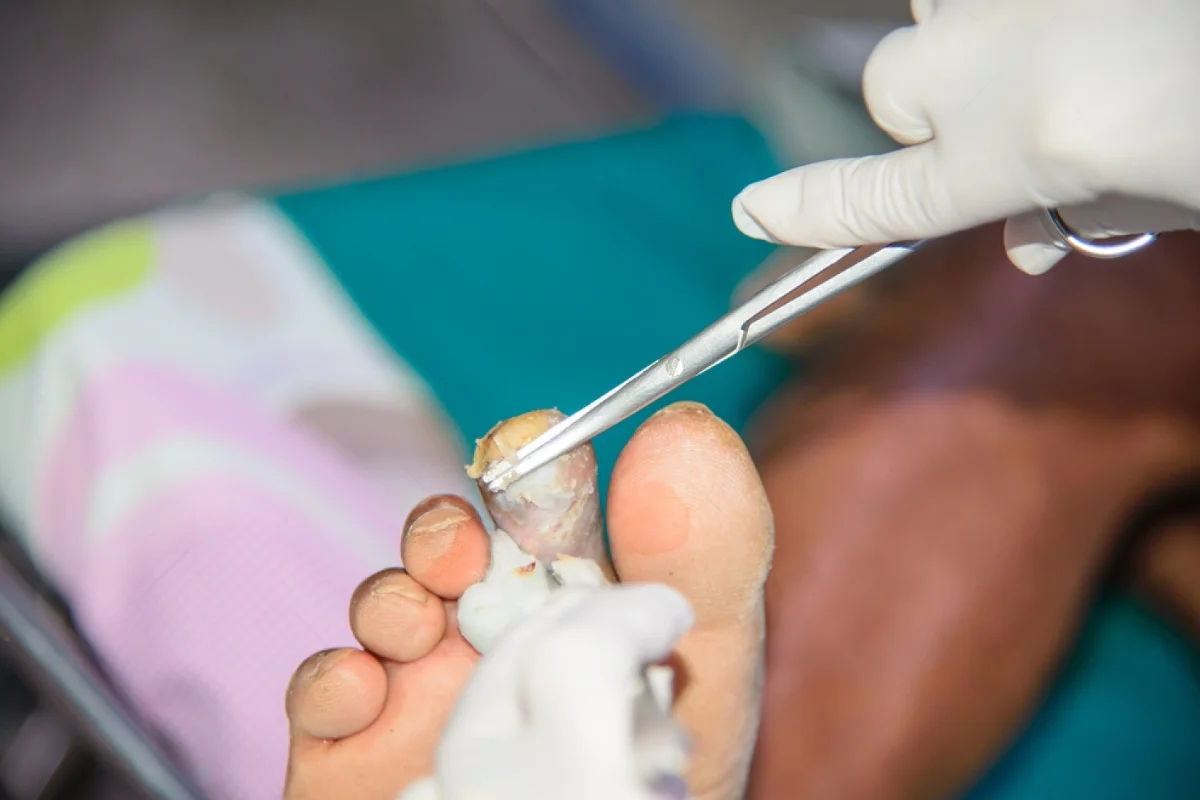
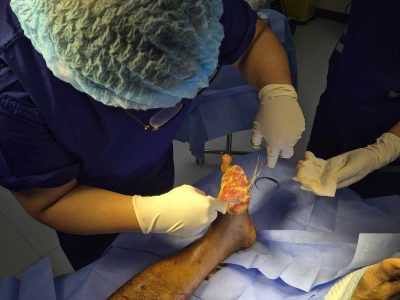
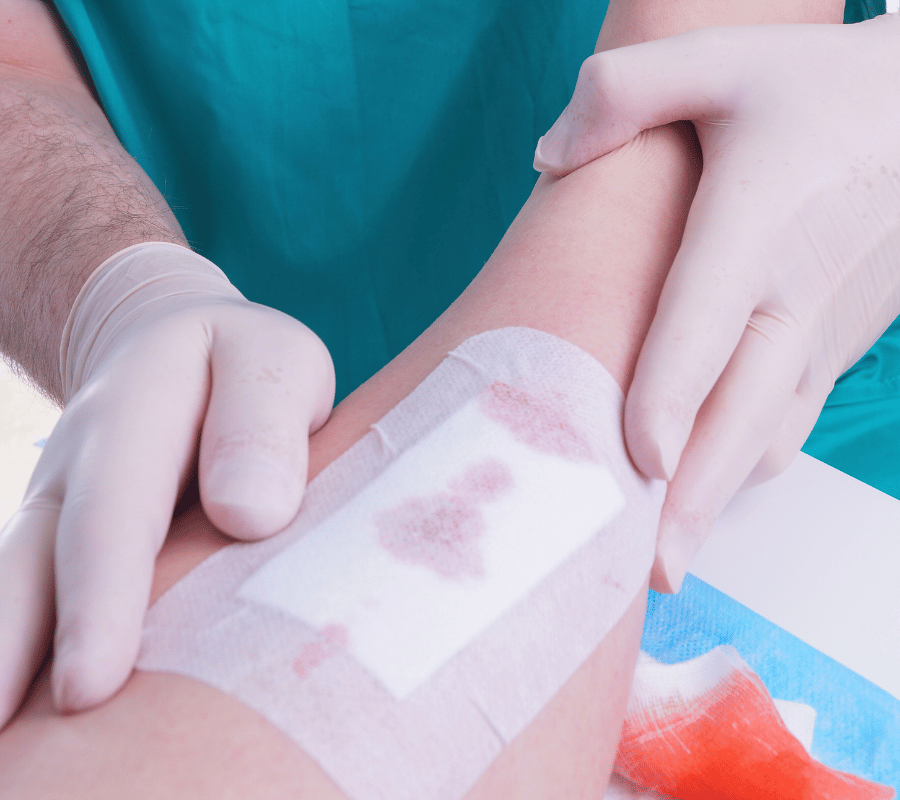
Infections are a major cause of wound deterioration. Wound Care Management includes removing dead or infected tissue through debridement, which promotes healthy tissue growth. Advanced antimicrobial dressings and targeted antibiotics further control infection, preventing it from spreading to bone or bloodstream.
Advanced Wound Healing Techniques
Modern Wound Care Management utilizes innovative therapies that accelerate healing. These may include negative pressure wound therapy, bioengineered skin substitutes, and specialized dressings that maintain an optimal healing environment. Kalingap Wound Care Clinic offers access to advanced wound care technologies that significantly reduce healing time and amputation risk.
Improving Blood Flow and Oxygenation
Adequate blood flow is essential for wound healing. Wound Care Management often involves vascular assessments and coordination with specialists to address circulation issues. Treatments may include compression therapy or referrals for vascular procedures, ensuring wounds receive the oxygen needed to heal properly.
Ongoing Monitoring and Patient Education
Healing does not stop at the clinic. Wound Care Management includes educating patients on proper wound care, nutrition, foot care, and lifestyle modifications. Consistent follow-up ensures progress is monitored and complications are addressed promptly. Kalingap Wound Care Clinic emphasizes patient education as a cornerstone of limb preservation.
The Role of Wound Care Specialists in Limb Salvage
Wound care specialists are trained to manage complex wounds that general care may not resolve. Their expertise in Wound Care Management allows them to tailor treatments based on wound type, patient health, and risk factors. Studies consistently show that patients treated by specialized wound care teams experience lower amputation rates. Choosing Kalingap Wound Care Clinic ensures access to experienced professionals dedicated to limb salvage and long-term healing.
When to Seek Professional Wound Care
A wound that does not show improvement within two to four weeks requires professional evaluation. Signs such as increased pain, swelling, redness, drainage, odor, or fever should never be ignored. Early referral for Wound Care Management can mean the difference between healing and amputation. Kalingap Wound Care Clinic encourages early intervention to achieve the best possible outcomes.
Preventing Amputation Starts With Proper Wound Care
Amputation is often preventable with timely and effective Wound Care Management. Addressing wounds early, managing infections, improving circulation, and utilizing advanced therapies all contribute to limb preservation. Partnering with a trusted provider like Kalingap Wound Care Clinic gives patients the highest chance of healing and maintaining mobility.
Frequently Asked Questions (FAQ)
Can Wound Care Management really prevent amputation?
Yes. Proper Wound Care Management significantly reduces the risk of amputation by treating infections early, promoting healing, and addressing underlying conditions that delay recovery.
Who is most at risk for amputation from wounds?
People with diabetes, peripheral artery disease, nerve damage, limited mobility, or chronic wounds face the highest risk. Specialized Wound Care Management is essential for these individuals.
How long does wound care treatment usually take?
Healing time varies depending on the wound type, severity, and overall health. With expert Wound Care Management from Kalingap Wound Care Clinic, many patients see improvement within weeks.
What happens if a wound does not heal?
A non-healing wound can worsen, become infected, and lead to tissue death. Early Wound Care Management is critical to prevent complications, including amputation.
Why choose Kalingap Wound Care Clinic?
Kalingap Wound Care Clinic offers comprehensive, advanced Wound Care Management delivered by experienced specialists focused on limb preservation, faster healing, and improved patient outcomes.