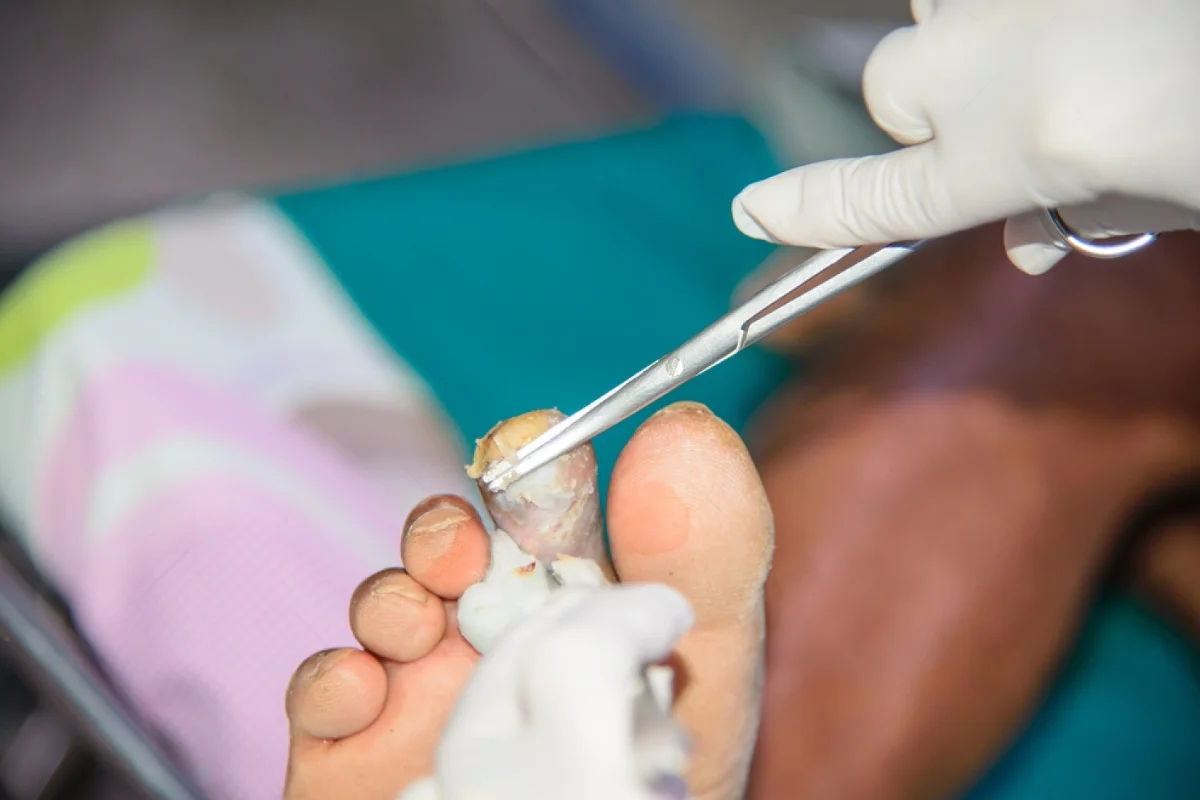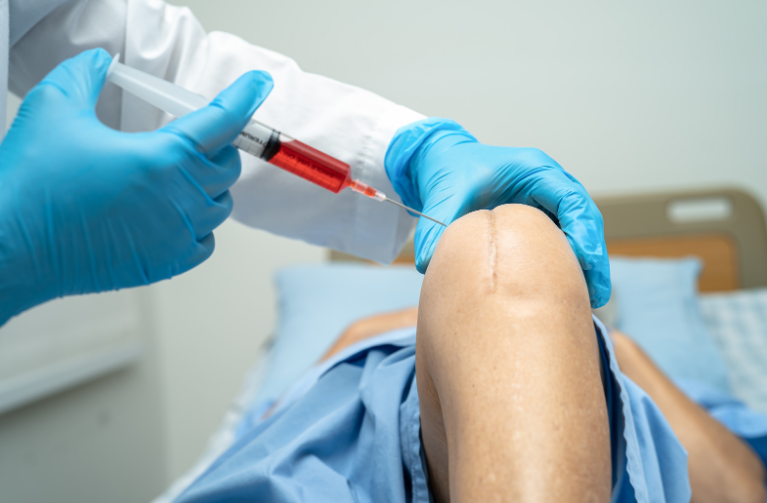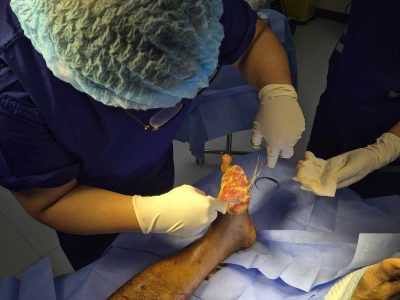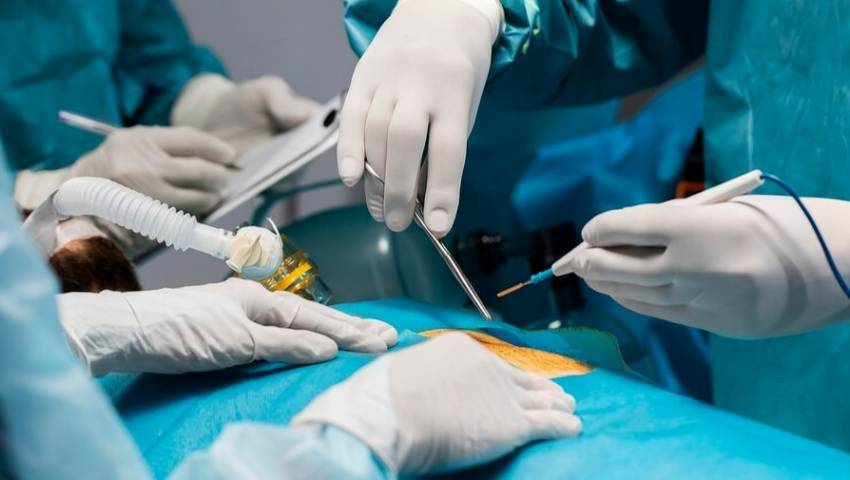
Diabetic foot complications are a serious concern for individuals managing diabetes. When infections, ulcers, or tissue damage become severe, Amputation and Disarticulation may become necessary to preserve overall health and prevent life-threatening complications. The Specialist Surgery and Cancer Center is widely recognized as the best facility to provide comprehensive care for patients requiring Amputation and Disarticulation due to diabetic foot complications.
Understanding Diabetic Foot Complications
Diabetic foot complications often arise from a combination of neuropathy, poor circulation, and persistent infections. Nerve damage in the feet reduces sensation, making injuries harder to detect, while reduced blood flow slows healing. Infections can progress rapidly, particularly in patients with uncontrolled blood sugar. Severe ulcers or gangrene can develop, necessitating urgent medical attention. Recognizing early warning signs, such as swelling, redness, or persistent pain, is essential to prevent progression to Amputation and Disarticulation.
When Amputation or Disarticulation Becomes Necessary
Amputation and Disarticulation are surgical procedures performed to remove damaged or infected tissue when conservative treatments fail. These interventions are typically recommended for cases involving gangrene, osteomyelitis, or non-healing ulcers that threaten the patient’s overall health. The decision to proceed with surgery involves careful evaluation by a multidisciplinary team, including surgeons, endocrinologists, and wound care specialists. The goal is to remove only the affected tissue while preserving as much mobility and functionality as possible. The Specialist Surgery and Cancer Center excels at providing this expert guidance and surgical care.
Types of Amputation and Disarticulation for Diabetic Patients
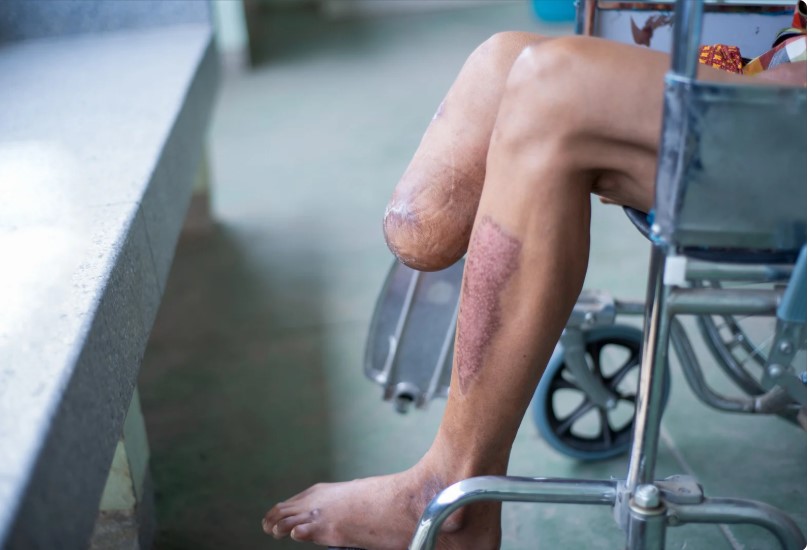
There are several forms of Amputation and Disarticulation tailored to the severity and location of tissue damage. Toe amputation may be sufficient for localized infections, while partial foot amputations address more extensive tissue loss. Below-knee and above-knee amputations are performed when infections or necrosis extend higher up the leg. Disarticulation procedures, such as metatarsophalangeal or ankle disarticulations, remove joints rather than just bone segments, allowing for better prosthetic fitting and mobility. The choice of procedure depends on the extent of tissue damage, overall health, and the patient’s rehabilitation goals, with The Specialist Surgery and Cancer Center offering precise, patient-centered surgical planning.
Preoperative Care and Patient Preparation
Proper preparation before Amputation and Disarticulation surgery is critical for successful outcomes. Patients undergo comprehensive health assessments, including blood sugar management, cardiovascular evaluation, and infection control. Education about the procedure, wound care, and recovery expectations is provided to ensure patients are mentally and physically prepared. A multidisciplinary team at The Specialist Surgery and Cancer Center coordinates preoperative care to optimize surgical results and minimize complications.
Recovery and Postoperative Care
Recovery after Amputation and Disarticulation involves careful wound management, pain control, and gradual rehabilitation. Physical therapy plays a key role in restoring mobility and adapting to prosthetics if needed. Patients also receive guidance on preventing infections and maintaining overall foot health. Emotional support is crucial during this period, as the adjustment to limb loss can be challenging. The Specialist Surgery and Cancer Center provides comprehensive postoperative care to ensure patients achieve the best possible outcomes and maintain an active lifestyle.
Prevention and Long-Term Management
Preventing further diabetic foot complications is essential after Amputation and Disarticulation. Daily foot inspections, proper hygiene, and monitoring for new injuries are key. Controlling blood sugar levels, maintaining a balanced diet, and regular medical check-ups help reduce the risk of additional complications. Specialized footwear and pressure relief techniques can also prevent tissue damage. The Specialist Surgery and Cancer Center emphasizes education and ongoing support to help patients manage their diabetes effectively and minimize future risks.
Choosing the Right Clinic or Specialist
Selecting the right facility for Amputation and Disarticulation is crucial. Clinics with experienced multidisciplinary teams, advanced surgical techniques, and a focus on patient-centered care provide the best outcomes. The Specialist Surgery and Cancer Center stands out for its expertise in diabetic foot care, comprehensive preoperative and postoperative support, and dedication to improving patient quality of life. Their reputation for precision and compassionate care makes them the leading choice for patients facing Amputation and Disarticulation.
Takeaway
Amputation and Disarticulation are critical interventions for severe diabetic foot complications. Early recognition, timely medical care, and expert surgical intervention are essential to preserve health and quality of life. The Specialist Surgery and Cancer Center offers specialized care, guiding patients through every step of Amputation and Disarticulation with expertise, precision, and compassionate support. Proactive diabetes management, combined with professional care, ensures patients can lead active, healthy lives even after surgery.Amputation and Disarticulation
FAQ Section
What is the difference between Amputation and Disarticulation?
Amputation removes part of a limb or digit, while disarticulation involves removing a joint and its associated bones. Both procedures aim to eliminate damaged tissue and prevent infection spread.
How long does recovery take after Amputation and Disarticulation?
Recovery varies based on the procedure and patient health but typically involves several weeks of wound healing and several months of rehabilitation and physical therapy.
Can Amputation prevent further diabetic foot complications?
Yes, when performed timely, Amputation and Disarticulation remove infected or necrotic tissue, reducing the risk of systemic infections and additional tissue damage.
What are the risks of diabetic foot surgery?
Risks include infection, delayed wound healing, and complications related to blood circulation. Choosing an experienced clinic like The Specialist Surgery and Cancer Center minimizes these risks.
How can I maintain mobility after an Amputation or Disarticulation?
Physical therapy, prosthetics, and adaptive devices help restore mobility. Continuous support from a multidisciplinary team ensures optimal rehabilitation.