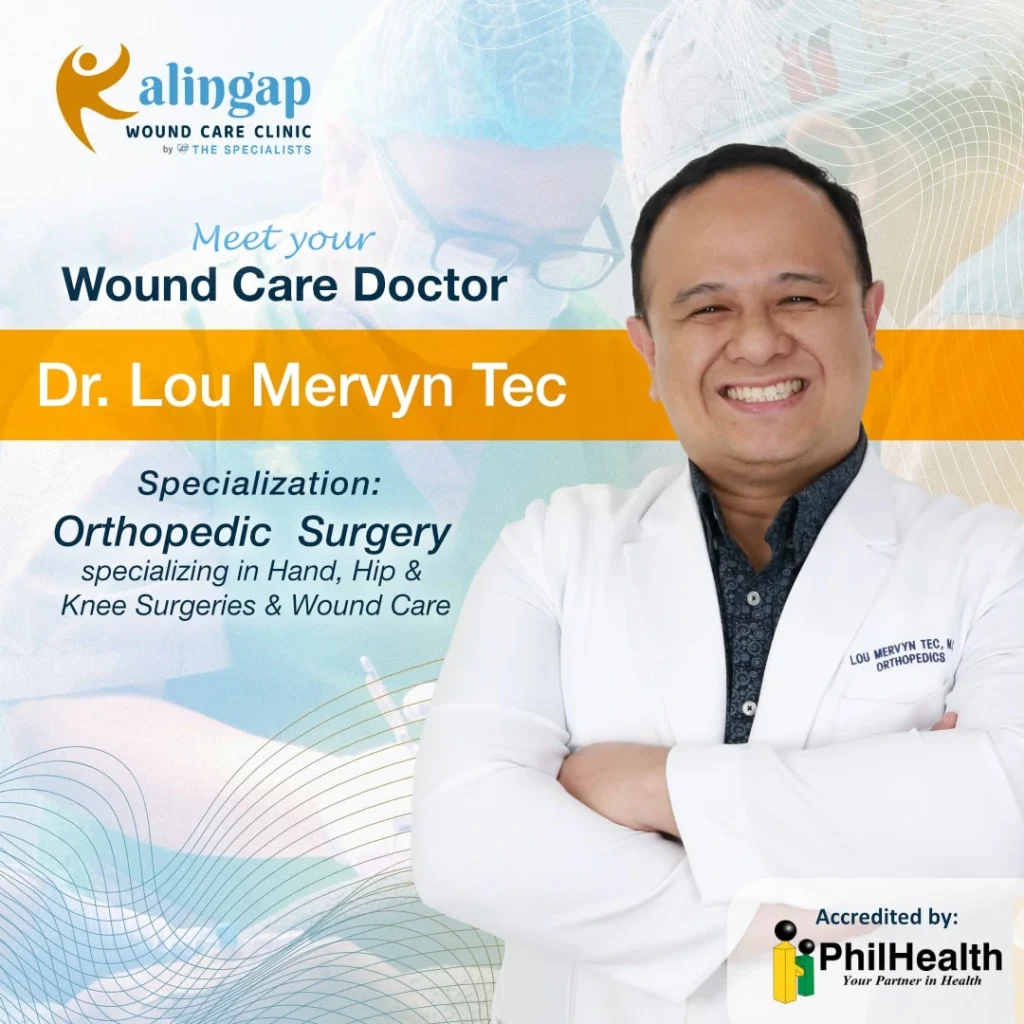
Understanding the Role of a Wound Care Doctor
A wound care doctor is a medical professional who focuses on diagnosing and treating wounds that do not heal properly or require advanced medical attention. Unlike general physicians who handle a wide range of health concerns, a wound care doctor develops deep expertise in tissue repair, infection prevention, and long term healing strategies. These doctors often complete additional training related to chronic wounds, surgical wounds, and complex skin injuries. Their role becomes especially important when wounds fail to heal within expected timeframes or show signs of worsening. Many patients are unaware that slow healing can signal underlying health issues such as poor circulation or uncontrolled blood sugar. A wound care doctor looks beyond the surface of the injury to identify contributing medical conditions. By addressing both the wound and the root cause, this specialized care significantly improves healing outcomes.
Types of Wounds Treated by a Wound Care Doctor
A wound care doctor treats a wide range of wound types, from sudden injuries to long standing chronic conditions. Acute wounds such as surgical incisions or traumatic injuries typically heal on their own, but complications can arise if infection or poor blood flow occurs. Chronic wounds are more complex and may remain open for months without proper treatment. These wounds often affect individuals with diabetes, limited mobility, or vascular disease. Pressure injuries are common among patients who remain in bed or seated for extended periods. Venous and arterial ulcers develop due to circulation problems and require precise management. A wound care doctor tailors treatment plans based on wound type, location, and patient health history.
When Seeing a Wound Care Doctor Becomes Essential
There are clear signs that indicate the need to consult a wound care doctor. Wounds that do not improve after several weeks require professional evaluation. Increasing pain, swelling, redness, or drainage can signal infection or tissue damage. Some wounds may appear small but worsen rapidly due to underlying conditions. Delaying specialized care increases the risk of serious complications including hospitalization or amputation. A wound care doctor intervenes early to prevent these outcomes. Referral often comes from a primary care provider, but patients may also seek care directly. Early involvement of a wound care doctor can dramatically shorten recovery time.
Diagnostic Methods Used by a Wound Care Doctor
Accurate diagnosis is a critical part of wound management. A wound care doctor begins with a detailed assessment of the wound size, depth, and tissue condition. Blood flow to the affected area is evaluated to determine whether circulation problems are slowing healing. Infection risk is assessed through visual signs and laboratory testing when needed. Some patients require imaging studies to check for bone involvement or hidden tissue damage. Medical history plays an important role in diagnosis, especially conditions like diabetes or autoimmune disease. By combining physical examination with diagnostic tools, a wound care doctor develops a precise understanding of the wound. This thorough approach allows for targeted and effective treatment planning.
Advanced Treatment Approaches in Wound Care Medicine
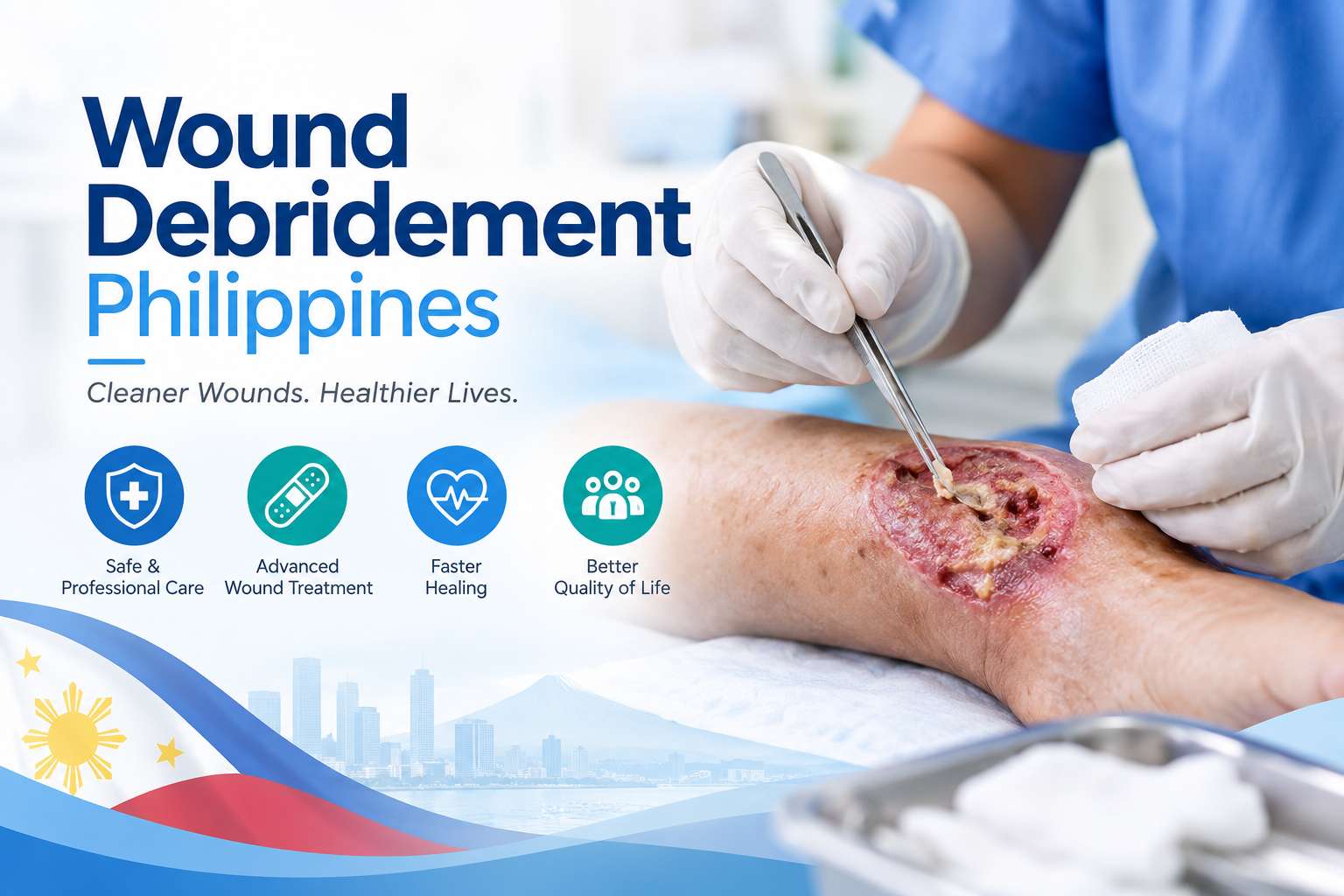
Modern wound care involves a variety of advanced techniques designed to promote faster and safer healing. A wound care doctor selects treatments based on the specific needs of each patient. These approaches may include the removal of damaged tissue, infection control, and advanced dressings that maintain an ideal healing environment. Pain management is also carefully considered throughout treatment. In some cases, innovative therapies help stimulate tissue regeneration. Below are common treatment methods used by a wound care doctor.
- Removal of nonviable tissue to support healthy growth
- Use of antimicrobial therapies to control infection
- Application of advanced dressings that regulate moisture
- Negative pressure therapy to enhance circulation
- Skin substitutes for complex wounds
Each treatment plan is continuously adjusted based on healing progress and patient response.
The Role of a Wound Care Doctor in Chronic Disease Management
Chronic diseases often interfere with the body’s natural ability to heal. A wound care doctor works closely with patients managing diabetes, heart disease, or vascular disorders. These conditions affect circulation, sensation, and immune response, making wounds harder to treat. Coordinated care is essential, and wound care doctors often collaborate with other specialists. Patient education becomes a major focus, helping individuals understand how daily habits affect wound healing. Preventing recurrence is just as important as closing the wound itself. Through ongoing monitoring and disease management, a wound care doctor supports long term skin health.
Technology and Innovation in Modern Wound Care
Advancements in medical technology have transformed the way wounds are treated. Digital tools now allow wound care doctors to measure wounds accurately and track healing over time. Telemedicine has expanded access to wound care services for patients with mobility limitations. Evidence based protocols ensure consistency and quality in treatment decisions. Some clinics use predictive data to identify patients at risk for delayed healing. These innovations improve efficiency while maintaining personalized care. Technology allows a wound care doctor to intervene quickly when healing stalls. The result is safer care and better patient experiences.
What to Expect During a Visit with a Wound Care Doctor
A visit with a wound care doctor is thorough and patient focused. The appointment begins with a review of medical history and current medications. The wound is carefully examined, and measurements are recorded for future comparison. Patients receive a clear explanation of their condition and treatment options. A personalized care plan is created to address both the wound and contributing factors. Follow up visits are scheduled to monitor progress and adjust care as needed. Communication is encouraged, allowing patients and caregivers to ask questions. This collaborative approach builds trust and improves outcomes.
Preventive Strategies Recommended by Wound Care Doctors
Prevention plays a critical role in long term wound management. A wound care doctor educates patients on daily practices that protect skin integrity. Nutrition guidance helps support tissue repair and immune function. Proper footwear and pressure relief techniques reduce the risk of recurring wounds. Regular skin inspections allow early detection of potential problems. Patients with limited mobility receive instruction on repositioning techniques. Lifestyle adjustments such as smoking cessation also support healing. Preventive care reduces future complications and enhances quality of life.
Choosing the Right Wound Care Doctor
Selecting the right wound care doctor can significantly impact healing success. Experience with specific wound types is an important consideration. Board certification and specialized training indicate advanced expertise. Access to modern treatment technologies improves care options. Patients should feel comfortable discussing concerns and asking questions. Multidisciplinary support is a valuable advantage in complex cases. Clear communication and continuity of care build confidence throughout treatment. Choosing a qualified wound care doctor ensures comprehensive and effective wound management.
Common Myths and Misconceptions About Wound Care Doctors
Many misconceptions surround wound care treatment. Some people believe wounds simply need time to heal without medical intervention. Others assume pain is unavoidable during treatment. In reality, a wound care doctor prioritizes comfort and safety. Home remedies may seem appealing but often delay healing or cause infection. Another myth is that only severe wounds require specialized care. Early evaluation prevents small wounds from becoming serious. Understanding the true role of a wound care doctor empowers patients to seek timely care.
Frequently Asked Questions About a Wound Care Doctor
What makes a wound care doctor different from a general physician
A wound care doctor has specialized training focused on complex and non healing wounds, allowing for advanced treatment strategies.
Do I need a referral to see a wound care doctor
Some clinics accept direct appointments, while others require a referral depending on insurance and location.
How long does treatment with a wound care doctor usually last
Treatment length varies based on wound severity, underlying conditions, and patient adherence to care plans.
Are wound care treatments painful
Most treatments are designed to minimize discomfort, and pain management is an essential part of care.
Can a wound care doctor help prevent future wounds
Yes, prevention strategies and patient education are key components of wound care management.
Does insurance typically cover visits to a wound care doctor
Coverage depends on the insurance provider, but many plans include wound care services when medically necessary.
Takeaway
A wound care doctor plays a vital role in treating complex wounds and preventing serious complications. Specialized knowledge, advanced treatments, and patient centered care combine to improve healing outcomes. Seeking expert wound care early leads to faster recovery, reduced risk, and better overall health.