Jaw pain and stiffness can interfere with everyday activities like chewing, talking, or even smiling. Temporomandibular joint disorder, often referred to as TMD, affects millions of people across the United States and can significantly impact quality of life. Residents searching for TMJ treatment Fishers now have access to specialized care at Osteopractic Physical Therapy of Central Indiana (OPTCI). OPTCI provides targeted physical therapy designed to relieve pain, restore jaw function, and help patients regain comfort and confidence.
TMJ disorder is frequently misunderstood, and many people mistakenly call it “TMJ” when referring to the condition rather than the joint itself. Addressing TMJ dysfunction early with professional care, including physical therapy, can prevent long-term discomfort and complications. OPTCI offers a comprehensive approach to managing jaw pain that focuses on improving mobility, reducing tension, and promoting overall jaw health.
What is TMJ Disorder?
Temporomandibular joint disorder occurs when the joint connecting the jaw to the skull becomes inflamed, injured, or misaligned. The condition can involve muscles, ligaments, and surrounding tissues, leading to discomfort and restricted movement. Although TMD can develop in anyone, it is most commonly diagnosed in women between the ages of 20 and 40.
Common causes of TMJ dysfunction include genetics, arthritis, jaw injuries, poor posture, chronic teeth grinding, and jaw clenching. Some patients may experience TMJ pain as part of other conditions, such as trigeminal neuralgia or issues with salivary glands. OPTCI therapists carefully evaluate each patient to identify the factors contributing to TMJ symptoms, which ensures that the TMJ treatment Fishers plan addresses the root cause rather than just the pain.
Understanding the complexity of TMJ dysfunction is important because symptoms can vary widely. Some individuals experience short-term discomfort that resolves with simple measures, while others may face persistent pain that interferes with daily activities. Early intervention with physical therapy can help prevent chronic issues and improve long-term jaw function.
Signs and Symptoms of TMJ Dysfunction
Identifying TMJ dysfunction early allows patients to seek treatment before pain worsens. Common signs include jaw pain or tenderness, difficulty opening or closing the mouth, clicking or popping sounds during movement, facial pain, headaches, and stiffness in the neck or jaw. Lockjaw, a condition in which the jaw muscles spasm and limit movement, is another potential complication for those with untreated TMD.
Patients seeking TMJ treatment Fishers often report that their symptoms fluctuate, with some days being more painful than others. Activities such as chewing tough foods, yawning, or speaking for extended periods can exacerbate discomfort. Physical therapy can help patients manage these symptoms by reducing muscle tension, restoring proper joint alignment, and teaching strategies to prevent worsening pain.
Why Physical Therapy is Effective for TMJ Treatment
Physical therapy is one of the most effective approaches to managing TMJ dysfunction. While medications and dental interventions can provide temporary relief, physical therapy addresses the underlying muscular and joint issues causing pain. OPTCI therapists create personalized treatment plans for each patient, combining evidence-based techniques to improve jaw mobility and reduce discomfort.
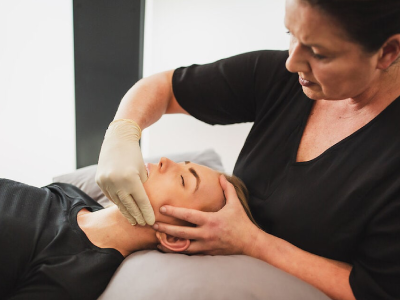
Treatment at OPTCI may include manual therapy, which involves targeted jaw exercises, soft tissue massage, and myofascial release. These techniques help release tension in the muscles surrounding the jaw, head, and neck, improving flexibility and function. Dry needling is another tool used by OPTCI therapists to address trigger points and reduce pain in stubborn muscle areas. Additional modalities, such as heat or cold therapy and therapeutic ultrasound, may be applied to ease inflammation and promote healing.
The goal of TMJ treatment Fishers through physical therapy is not only to relieve pain but also to restore proper function. By strengthening supporting muscles, improving posture, and retraining jaw movements, patients experience long-term benefits that reduce the likelihood of recurring symptoms. Many patients notice significant improvements after just a few sessions, while a complete treatment program provides lasting relief and improved quality of life.
Home Care and Conservative Management
Some patients complement professional TMJ treatment with home strategies. Simple measures such as applying ice packs to the jaw, taking over-the-counter pain medication, and practicing stress reduction techniques can alleviate mild discomfort. Maintaining good posture and avoiding excessive jaw movements or chewing hard foods may also help reduce symptoms.
For individuals with more severe cases, medical intervention may include muscle relaxers, anti-inflammatory medications, or dental splints designed to prevent teeth grinding. Combining these strategies with TMJ treatment Fishers from a physical therapy specialist ensures a comprehensive approach that addresses both the symptoms and contributing factors of TMJ dysfunction.
OPTCI therapists provide guidance on effective home exercises that reinforce in-clinic treatments. These exercises target jaw mobility, strengthen supporting muscles, and reduce tension in the head, neck, and shoulders. When followed consistently, these techniques enhance therapy outcomes and give patients the tools to manage symptoms independently.
Why Choose OPTCI for TMJ Treatment Fishers
OPTCI has extensive experience helping patients with jaw pain and TMD regain function and comfort. The clinic offers a patient-focused approach that begins with a thorough evaluation of jaw mobility, muscle tension, and contributing factors. Every TMJ treatment Fishers plan is tailored to the patient’s unique needs, ensuring the most effective and efficient results.
The therapists at OPTCI understand that TMJ dysfunction is more than just jaw pain—it can impact daily life, sleep, and overall well-being. By addressing muscular, postural, and joint factors, OPTCI provides relief while empowering patients with strategies to prevent future problems. The clinic’s convenient location in Fishers makes it easy for residents to access professional care without traveling far from home.
Choosing OPTCI means working with trained specialists who combine clinical expertise with hands-on techniques to improve jaw function. The focus is always on helping patients reduce pain, restore mobility, and regain confidence in their ability to perform daily activities without discomfort.
Takeaway
Jaw pain and stiffness should not control daily life. Residents seeking TMJ treatment Fishers can schedule a consultation at Osteopractic Physical Therapy of Central Indiana to begin improving jaw function and reducing discomfort. OPTCI’s experienced therapists evaluate each patient thoroughly and create personalized plans designed to restore comfort and mobility.
Starting treatment early often leads to better results, so anyone experiencing jaw pain, stiffness, or difficulty moving their jaw is encouraged to contact OPTCI and begin their journey toward relief.
FAQ – TMJ Treatment Fishers
What causes TMJ disorder?
TMJ disorder can develop due to genetics, arthritis, jaw injuries, chronic clenching or teeth grinding, poor posture, and other conditions affecting the jaw or surrounding muscles.
How do I know if I need TMJ treatment Fishers?
Common signs include jaw pain, difficulty opening or closing the mouth, clicking or popping sounds, facial pain, headaches, or neck stiffness. A professional evaluation ensures an accurate diagnosis.
What does physical therapy for TMJ involve?
Physical therapy may include jaw exercises, manual therapy, soft tissue massage, myofascial release, dry needling, and other modalities designed to reduce pain and restore jaw function.
Can TMJ be treated without surgery?
Yes, many patients experience significant relief with conservative treatments such as physical therapy, home exercises, medications, and dental interventions like splints.
How long does TMJ treatment take?
Treatment length varies depending on severity and individual factors. Some patients notice improvement in a few sessions, while others benefit from a complete treatment plan over several weeks.
Why should I choose OPTCI for TMJ treatment Fishers?
OPTCI offers specialized, personalized care focused on reducing pain, improving jaw mobility, and addressing the underlying causes of TMJ dysfunction. The clinic combines expertise with hands-on techniques and targeted therapy plans for effective results.