Forefoot ulcers are a serious and often painful condition that affects many individuals, particularly those with diabetes, neuropathy, or structural foot abnormalities. These ulcers form primarily on the ball of the foot or under the toes due to continuous pressure and friction. Unlike minor cuts or blisters, forefoot ulcers can lead to infections, mobility challenges, and in severe cases, amputation if not properly managed. Understanding why these ulcers develop is critical for both prevention and treatment. Contributing factors include poor footwear, abnormal gait patterns, high-pressure points caused by deformities, and reduced sensation in the feet due to neuropathy. Early recognition of redness, swelling, or skin breakdown can help prevent complications. Seeking professional orthopedic care at the first sign of a wound is essential for successful management and long-term foot health.
Orthopedic specialists play a key role in treating forefoot ulcers. Their expertise allows for a comprehensive evaluation of foot structure, pressure distribution, and gait mechanics. Using advanced diagnostic tools such as X-rays, MRI, and pressure mapping, orthopedic providers can pinpoint the underlying causes of ulcer formation. Treatment strategies are not only aimed at healing the existing ulcer but also at preventing recurrence. Orthopedic treatment for forefoot ulcers focuses on restoring proper biomechanics, reducing stress on vulnerable areas, and providing long-term support for the foot. Collaboration with other healthcare providers, including podiatrists and wound care nurses, ensures a holistic approach. This multidisciplinary care improves outcomes and supports patient education, helping individuals maintain healthy, functional feet. For patients, understanding the role of orthopedic medicine can provide reassurance and clarity about their healing journey.
Structural abnormalities in the foot often contribute to the development and persistence of forefoot ulcers. Conditions like hammertoes, bunions, claw toes, and Charcot deformities create pressure points that can break down skin over time. Individuals with diabetes or neuropathy are particularly susceptible, as they may not feel minor injuries that evolve into ulcers. Orthopedic evaluation identifies these underlying issues and determines whether non-surgical or surgical interventions are needed. Correcting deformities can significantly reduce the risk of recurrent ulcers. In some cases, conservative management alone is insufficient, and surgical procedures are necessary to restore proper foot alignment. Detecting these structural problems early allows for more effective treatment and long-term prevention.
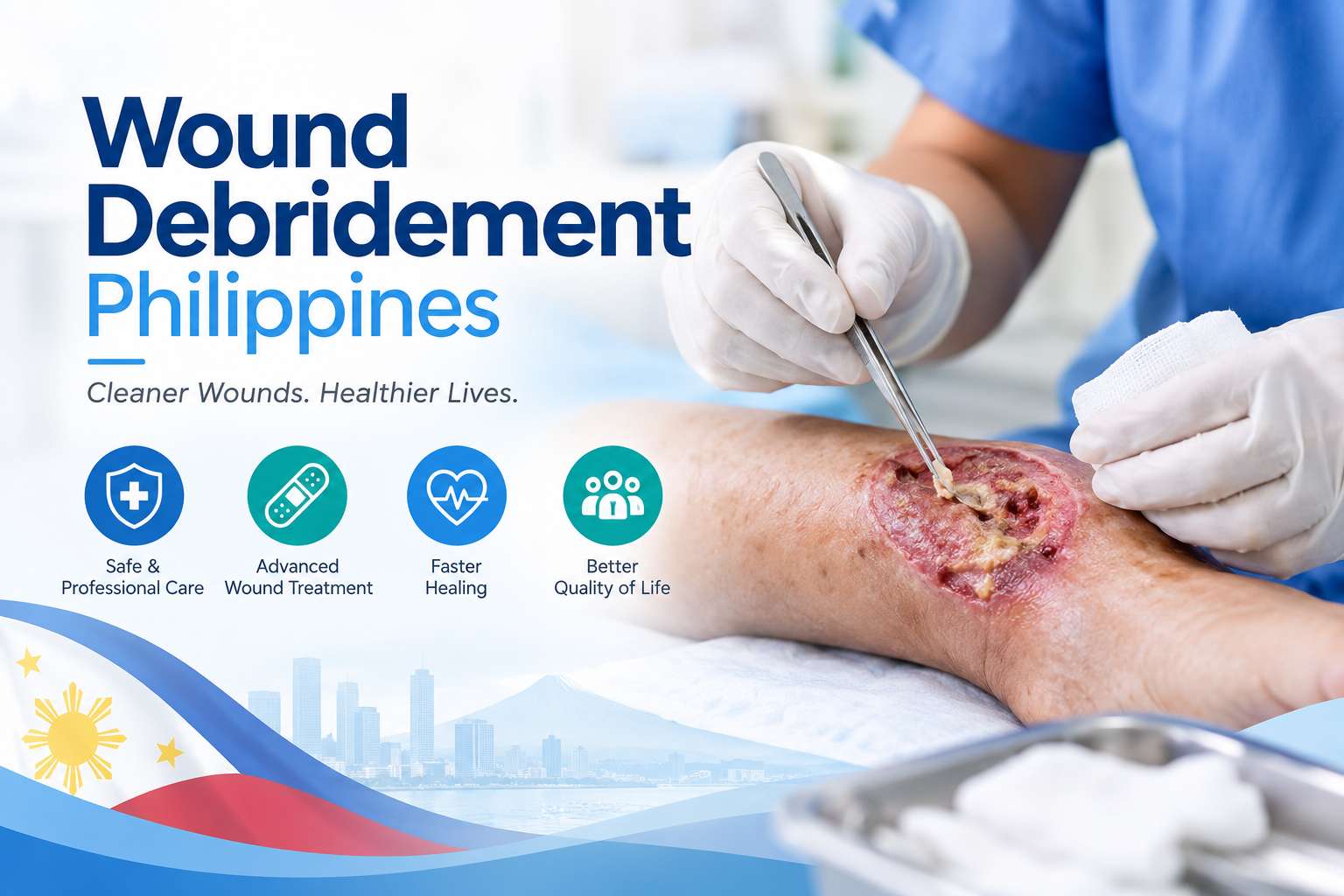
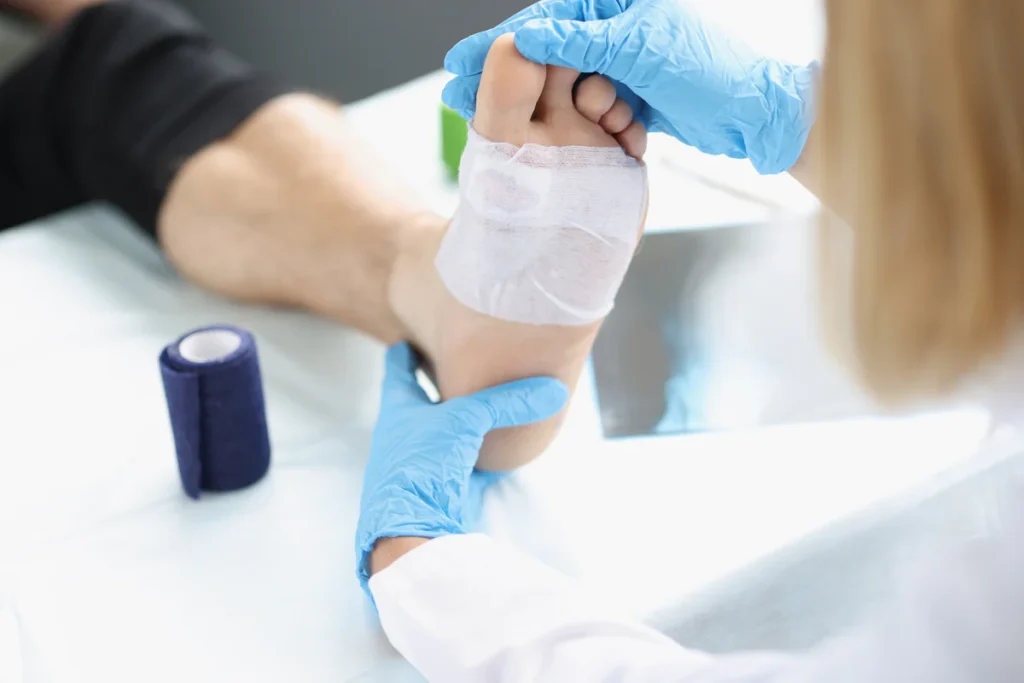
Non-surgical orthopedic treatment options are often the first line of defense in managing forefoot ulcers. Offloading techniques are particularly important, as reducing pressure on the affected area is crucial for healing. Customized orthotics, shoe inserts, and specially designed footwear help redistribute weight and protect vulnerable zones. Total contact casting and removable walking boots are other effective strategies that limit pressure while allowing mobility. Advanced wound care approaches, including regular debridement, antimicrobial dressings, and negative pressure wound therapy, further support the healing process. Orthopedic providers also focus on biomechanical interventions, such as gait training, to reduce repetitive stress on the forefoot. These non-invasive measures can be life-changing for patients, allowing for effective healing without the need for surgery. Adherence to these treatments requires education and ongoing monitoring to ensure optimal results.
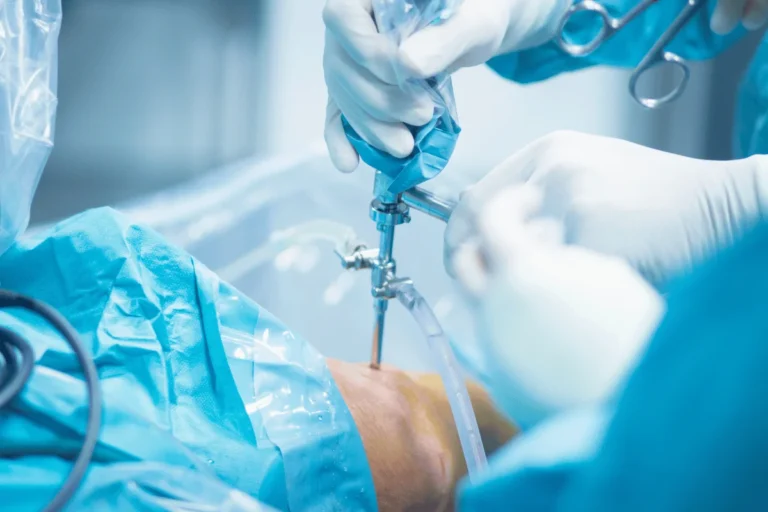
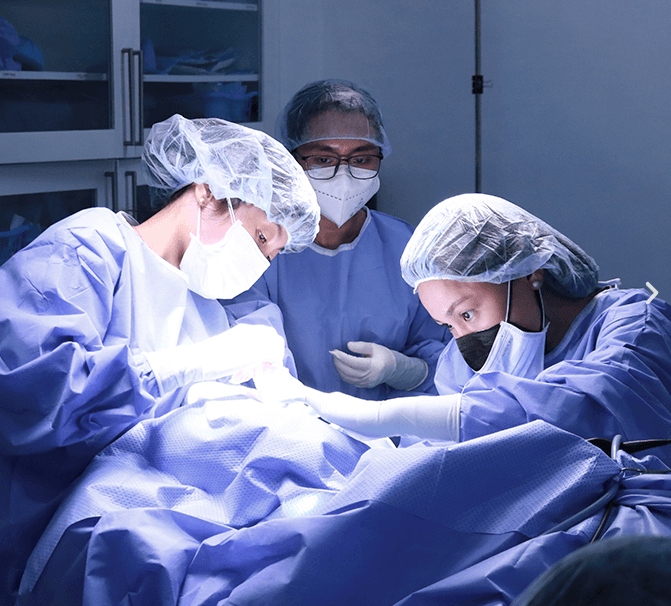
Surgical solutions may be considered when conservative measures do not sufficiently address the ulcer or its underlying cause. Corrective procedures can include tendon lengthening, bunion correction, and toe realignment, which alleviate pressure on the forefoot. Bone and joint procedures, such as partial bone removal or addressing Charcot deformities, can eliminate areas that are prone to ulceration. Surgeons carefully evaluate patient health, wound severity, and foot structure before recommending surgery. Recovery timelines vary depending on the complexity of the procedure, but proper postoperative care is critical to prevent recurrence. Surgery is often combined with continued orthopedic management, including orthotics and footwear adjustments, to provide lasting protection. For patients, these interventions can significantly improve mobility, comfort, and overall quality of life.
Preventive strategies guided by orthopedic principles are essential for long-term success. Proper footwear is one of the most important factors in preventing new ulcers. Shoes should be properly fitted, cushioned, and designed to reduce pressure on high-risk areas. Daily foot checks allow patients and caregivers to spot early warning signs of skin breakdown. Orthopedic specialists may recommend specific exercises to maintain mobility while reducing stress on the forefoot. Long-term use of custom orthotics and regular adjustments help maintain optimal foot biomechanics. Education on foot hygiene, moisture control, and injury prevention is crucial, particularly for individuals with diabetes or neuropathy. Consistent follow-up appointments ensure that preventive strategies remain effective as foot conditions evolve over time.
Orthopedic specialists often coordinate care to ensure comprehensive management of forefoot ulcers. Collaboration with podiatrists, wound care nurses, and diabetes educators enhances treatment outcomes. This multidisciplinary approach addresses both the ulcer itself and the underlying causes, including biomechanical and systemic factors. Patient education is a cornerstone of this approach, teaching individuals how to monitor their feet, use orthotics correctly, and recognize early warning signs of complications. Regular follow-ups allow for timely adjustments to treatment plans and help prevent future ulcers. Orthopedic specialists also work with patients to develop personalized plans that balance mobility with protection, ensuring that healing progresses without compromising quality of life. Patients benefit from the combination of expert medical care and practical strategies for daily foot care.
Common mistakes can interfere with the healing process and increase the likelihood of recurrence. Many patients wear improperly fitted shoes that fail to provide adequate support or cushioning. Ignoring early symptoms such as redness, swelling, or pain can allow minor issues to worsen. Self-treatment without professional evaluation may lead to improper care or infection. Overloading the foot too soon after ulcer onset can impede healing and create new pressure points. Orthopedic treatment for forefoot ulcers addresses these mistakes by providing customized footwear, monitoring healing progress, and offering education on safe mobility. Understanding and avoiding these pitfalls helps patients achieve better outcomes and reduces the risk of future complications. Professional guidance ensures that every step of treatment is evidence-based and tailored to individual needs.
Frequently Asked Questions
What is the most effective orthopedic treatment for forefoot ulcers?
- Orthopedic treatment typically combines offloading techniques, advanced wound care, biomechanical adjustments, and, when necessary, surgical correction. The exact approach depends on the patient’s foot structure and ulcer severity.
How long does healing typically take?
- Healing times vary based on ulcer size, underlying conditions, and treatment adherence. Many ulcers respond within weeks with proper care, while complex cases may take several months.
Are orthotics enough to prevent ulcers from coming back?
- Orthotics are an important preventive measure, but long-term prevention often requires proper footwear, daily monitoring, and ongoing follow-up with an orthopedic specialist.
When should someone seek surgical intervention?
- Surgery is considered when non-surgical treatments fail or when structural deformities contribute to recurring ulcers. Orthopedic specialists evaluate risks and benefits before recommending procedures.
Can people with diabetes benefit from orthopedic treatment for forefoot ulcers?
- Absolutely. Diabetic patients are particularly susceptible to forefoot ulcers, and orthopedic treatment can prevent serious complications by addressing both ulcers and underlying biomechanical issues.
Takeaway
Orthopedic treatment for forefoot ulcers provides a comprehensive approach that combines wound care, offloading strategies, biomechanical adjustments, and surgical intervention when needed. Early detection, proper footwear, and consistent follow-up play a vital role in preventing recurrence. By addressing the root causes of ulcers, patients can improve mobility, reduce pain, and protect their feet for the long term. Working with an orthopedic specialist ensures that every aspect of care is tailored, evidence-based, and focused on healing while maintaining quality of life. Preventive strategies, patient education, and ongoing monitoring are essential components for achieving lasting results.