Understanding the Role of an Orthopedic Surgeon
An Orthopedic Surgeon is a medical doctor who focuses on diagnosing treating and preventing problems affecting the bones joints muscles ligaments and tendons. This specialty plays a major role in helping patients move without pain and regain strength after injury or illness. Orthopedic surgeons treat both sudden injuries such as fractures and long term conditions like arthritis that develop over time. Their work affects everyday activities including walking working exercising and even sleeping comfortably. Many people seek the help of an orthopedic surgeon after experiencing persistent pain stiffness or limited mobility. Others are referred after imaging tests reveal damage that requires specialized care. Through a combination of medical knowledge surgical skill and patient education orthopedic surgeons support better movement and long lasting physical health.
Medical Training and Qualifications of an Orthopedic Surgeon
Becoming an orthopedic surgeon requires many years of advanced education and hands on training. The process begins with a college degree followed by medical school where foundational medical knowledge is developed. After earning a medical degree doctors enter an orthopedic residency that typically lasts several years and focuses on bones joints and soft tissues. During residency they gain practical experience in hospitals clinics and operating rooms under expert supervision. Some orthopedic surgeons pursue additional fellowship training to specialize in areas such as sports medicine spine care or joint replacement. Board certification confirms that an orthopedic surgeon meets strict professional standards and continues learning throughout their career. This extensive training ensures patients receive care based on skill precision and up to date medical science.
Key Areas of Specialization Within Orthopedic Surgery
Orthopedic surgery includes several focused areas that address specific parts of the body or conditions. Some surgeons specialize in treating athletes and physically active individuals who experience sports related injuries. Others concentrate on joint replacement helping patients with severe hip or knee damage regain mobility. Spine specialists manage neck and back conditions that affect posture balance and nerve function. Pediatric orthopedic surgeons focus on bone and joint problems in children which often differ from adult conditions. Hand foot and ankle specialists treat delicate structures that require fine surgical technique. Trauma orthopedic surgeons work with emergency injuries such as complex fractures. This variety allows patients to receive care from professionals with targeted expertise.
Common Conditions Treated by an Orthopedic Surgeon
An orthopedic surgeon treats a wide range of conditions that affect people of all ages. Arthritis is one of the most common reasons patients seek orthopedic care particularly as joints wear down over time. Fractures caused by falls sports or accidents also require orthopedic evaluation and management. Ligament and tendon injuries often develop from repetitive motion or sudden strain and may limit normal activity. In addition many patients seek help for chronic back pain or spinal problems that interfere with daily life. Congenital conditions affecting bone growth may also require long term orthopedic care. Work related injuries such as repetitive strain disorders are frequently addressed by orthopedic specialists. These conditions highlight the wide scope of orthopedic practice.
Diagnostic Tools Used by an Orthopedic Surgeon
Accurate diagnosis is essential for effective orthopedic treatment. An orthopedic surgeon begins with a detailed discussion of symptoms medical history and daily activities. Physical examinations help assess range of motion strength and joint stability. Imaging tools such as X rays are commonly used to examine bone alignment and fractures. MRI scans provide detailed views of muscles ligaments and cartilage. CT scans allow precise evaluation of complex joint areas or severe injuries. Ultrasound may be used for real time examination of soft tissue movement. Together these tools enable orthopedic surgeons to create personalized treatment plans with clarity and confidence.
Non Surgical Treatment Options Provided by an Orthopedic Surgeon
Surgery is not always the first approach recommended by an orthopedic surgeon. Many conditions respond well to non surgical care that reduces pain and improves function. Physical therapy is often prescribed to restore strength and flexibility. Medications may be used to control inflammation or manage discomfort. Injections can provide targeted relief for joint and tendon pain. Orthopedic surgeons may also recommend braces or supportive devices to stabilize injured areas. Lifestyle adjustments such as weight management and modified activity play an important role in recovery. These methods allow many patients to avoid surgery while still achieving meaningful improvement.
Surgical Procedures Commonly Performed by an Orthopedic Surgeon
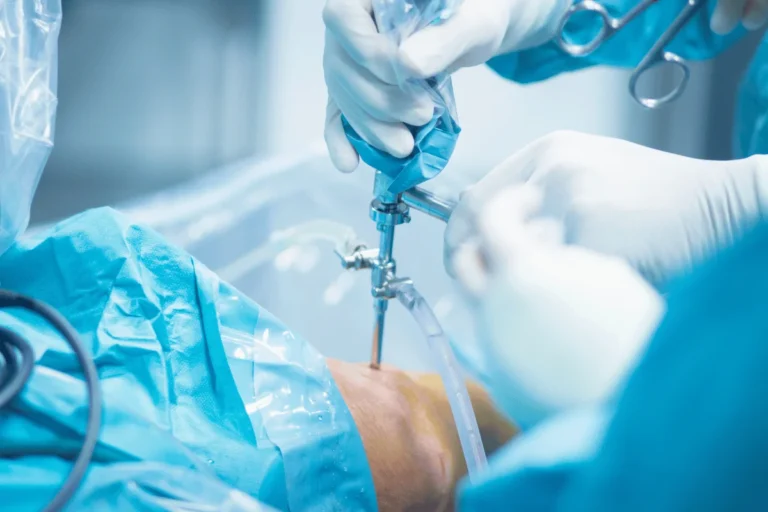
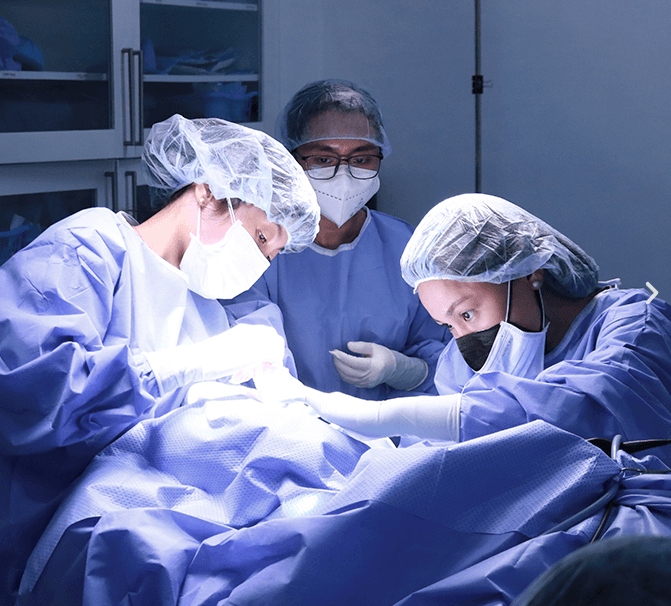
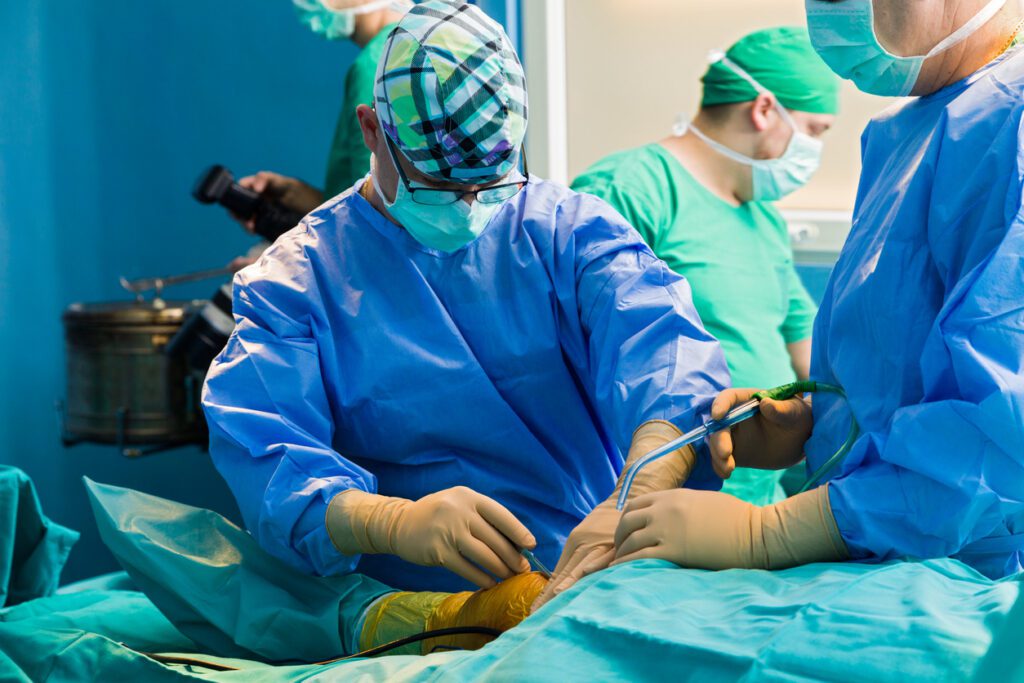
When non surgical care does not provide sufficient relief an orthopedic surgeon may recommend surgery. Procedures vary based on the condition severity and patient needs. Arthroscopy allows surgeons to repair joints using small instruments and cameras. Joint replacement surgery is used when cartilage damage severely limits movement and comfort. Fracture repair restores proper alignment so bones heal correctly. Ligament reconstruction improves joint stability after significant injury. Spine surgery may be performed to relieve nerve pressure and pain. After surgery orthopedic surgeons guide patients through recovery and rehabilitation to achieve the best outcomes.
What to Expect During a Visit With an Orthopedic Surgeon
A visit with an orthopedic surgeon usually begins with a thorough evaluation of symptoms. Patients are asked about pain duration daily activities and previous treatments. Diagnostic tests may be ordered to clarify the underlying problem. Once results are available the surgeon explains the condition in clear understandable terms. Treatment options are discussed so patients can make informed decisions. If surgery is recommended preparation steps and recovery expectations are reviewed in detail. Follow up visits help track progress and adjust treatment as healing continues.
The Importance of Orthopedic Surgeons in Injury Prevention
Orthopedic surgeons do more than treat injuries they also help prevent them. Education on proper posture and movement can reduce strain on joints and muscles. Athletes benefit from guidance on safe training techniques and recovery strategies. Workplace consultations help reduce repetitive motion injuries. Early evaluation of minor symptoms often prevents more serious damage. Preventive care improves long term joint health and mobility. By addressing risk factors orthopedic surgeons support healthier active lifestyles. This proactive approach benefits patients across all age groups.
Innovations and Technology in Orthopedic Surgery
Modern orthopedic surgery continues to evolve through technological advancement. Robotic assistance improves precision in joint replacement procedures. Advanced imaging allows for detailed surgical planning before operating. New implant materials are designed to last longer and feel more natural. Digital tools support faster recovery and better monitoring after surgery. Minimally invasive techniques reduce pain and shorten healing time. These innovations enhance safety accuracy and patient satisfaction. Orthopedic surgeons who adopt new technology offer improved care experiences.
Choosing the Right Orthopedic Surgeon
Selecting the right orthopedic surgeon is an important decision for any patient. Credentials and board certification offer assurance of professional standards. Experience with specific procedures increases confidence and safety. Clear communication helps patients understand treatment options fully. Hospital and clinic resources also influence quality of care. Insurance coverage and accessibility should be considered as well.
Key factors patients often evaluate include
1 Experience with similar conditions
2 Specialization area
3 Communication and patient involvement
4 Facility quality and technology
5 Follow up and recovery support
Making an informed choice supports better treatment outcomes.
Recovery Rehabilitation and Long Term Outcomes
Recovery after orthopedic care depends on consistent follow through. Physical therapy helps restore strength balance and flexibility. Pain management strategies improve comfort during healing. Patients are guided on gradually returning to daily activities. Long term outcomes improve with lifestyle changes that protect joint health. Ongoing checkups allow early detection of new concerns. With proper care many patients regain mobility and independence.
Frequently Asked Questions About an Orthopedic Surgeon
When should I see an orthopedic surgeon
You should consider seeing an orthopedic surgeon if pain stiffness or limited movement lasts more than a few weeks. Sudden injuries such as fractures swelling or joint instability also require evaluation. Early care often prevents worsening conditions.
Do orthopedic surgeons always recommend surgery
Orthopedic surgeons typically explore non surgical options first. Surgery is advised only when other treatments fail or the condition is severe. Patient goals and lifestyle are always considered.
How long does recovery take after orthopedic surgery
Recovery time varies based on the procedure and individual health. Some patients resume activity within weeks while others require months of rehabilitation. Clear guidance is provided for every stage.
Can an orthopedic surgeon treat chronic pain
Yes orthopedic surgeons treat chronic joint bone and muscle pain. They create long term plans that may include therapy injections or surgery depending on the cause.
What is the difference between an orthopedic surgeon and a physical therapist
An orthopedic surgeon diagnoses conditions and performs medical or surgical treatment. Physical therapists focus on rehabilitation and strength building. They often work together to support recovery.
Takeaway
An Orthopedic Surgeon plays a vital role in restoring movement reducing pain and protecting long term musculoskeletal health. Through advanced training modern technology and patient focused care orthopedic surgeons address a wide range of conditions affecting bones joints and muscles. Seeking timely evaluation choosing the right specialist and following recommended treatment plans can significantly improve quality of life and physical independence.