Wounds are more than just physical injuries. When wounds fail to heal properly, they can lead to infections, mobility issues, and a significant decrease in quality of life. Chronic wounds such as diabetic foot ulcers, pressure sores, and venous ulcers require expert attention to prevent complications. A wound care specialist doctor plays a crucial role in treating these conditions, providing advanced therapies, and guiding patients through personalized recovery plans. Understanding the role, services, and benefits of consulting a wound care specialist doctor can make a significant difference for anyone dealing with non-healing wounds.
Who is a Wound Care Specialist Doctor?
A wound care specialist doctor is a medical professional trained to manage complex wounds that do not heal with standard care. These doctors often have specialized certifications and extensive experience in treating chronic wounds, including diabetic foot ulcers, pressure ulcers, venous insufficiency ulcers, and infected wounds. Their expertise extends beyond conventional wound management, combining medical knowledge with a compassionate, patient-centered approach. Wound care specialist doctors focus on both healing the wound and supporting the overall health and well-being of the patient, ensuring that each treatment plan is tailored to individual needs.
Common Wounds and Conditions Treated
Diabetic Foot Ulcers
Diabetic foot ulcers are one of the most common chronic wounds. Patients with diabetes often experience poor circulation and nerve damage, which increases the risk of wounds forming on the feet. Left untreated, these wounds can lead to infections, gangrene, and in severe cases, amputation. A wound care specialist doctor evaluates the ulcer, identifies underlying causes, and implements advanced treatment strategies, including specialized dressings, offloading techniques, and infection control measures. Patient education is also critical, as proper foot care and lifestyle adjustments prevent future complications.
Pressure Ulcers
Pressure ulcers, also known as bedsores, develop when prolonged pressure reduces blood flow to the skin, often in individuals with limited mobility or those confined to beds or wheelchairs. Pressure ulcers can be painful and difficult to heal, requiring a combination of interventions such as repositioning, specialized mattresses, and advanced dressings. A wound care specialist doctor assesses the stage of the ulcer and creates a comprehensive treatment plan that may include pressure-relieving strategies, topical therapies, and ongoing monitoring to ensure consistent healing.
Venous Insufficiency Ulcers
Venous insufficiency ulcers occur when veins fail to return blood efficiently to the heart, causing fluid accumulation in the legs. These wounds can become chronic if not treated promptly. A wound care specialist doctor uses targeted therapies like compression therapy, moisture-retentive dressings, and ongoing management plans to address both the wound and the underlying venous condition. Long-term care and patient education are essential to prevent recurrence.
Infected or Non-Healing Wounds
Wounds that become infected or fail to heal properly pose serious health risks. A wound care specialist doctor identifies the infection type, implements targeted antimicrobial treatments, and monitors the wound’s progress. Early intervention reduces the risk of severe complications and ensures that the healing process stays on track. Patients receive guidance on maintaining a clean wound environment, recognizing early warning signs, and following up regularly for optimal outcomes.
Advanced Treatment Options Offered by Wound Care Specialist Doctors
Debridement Services
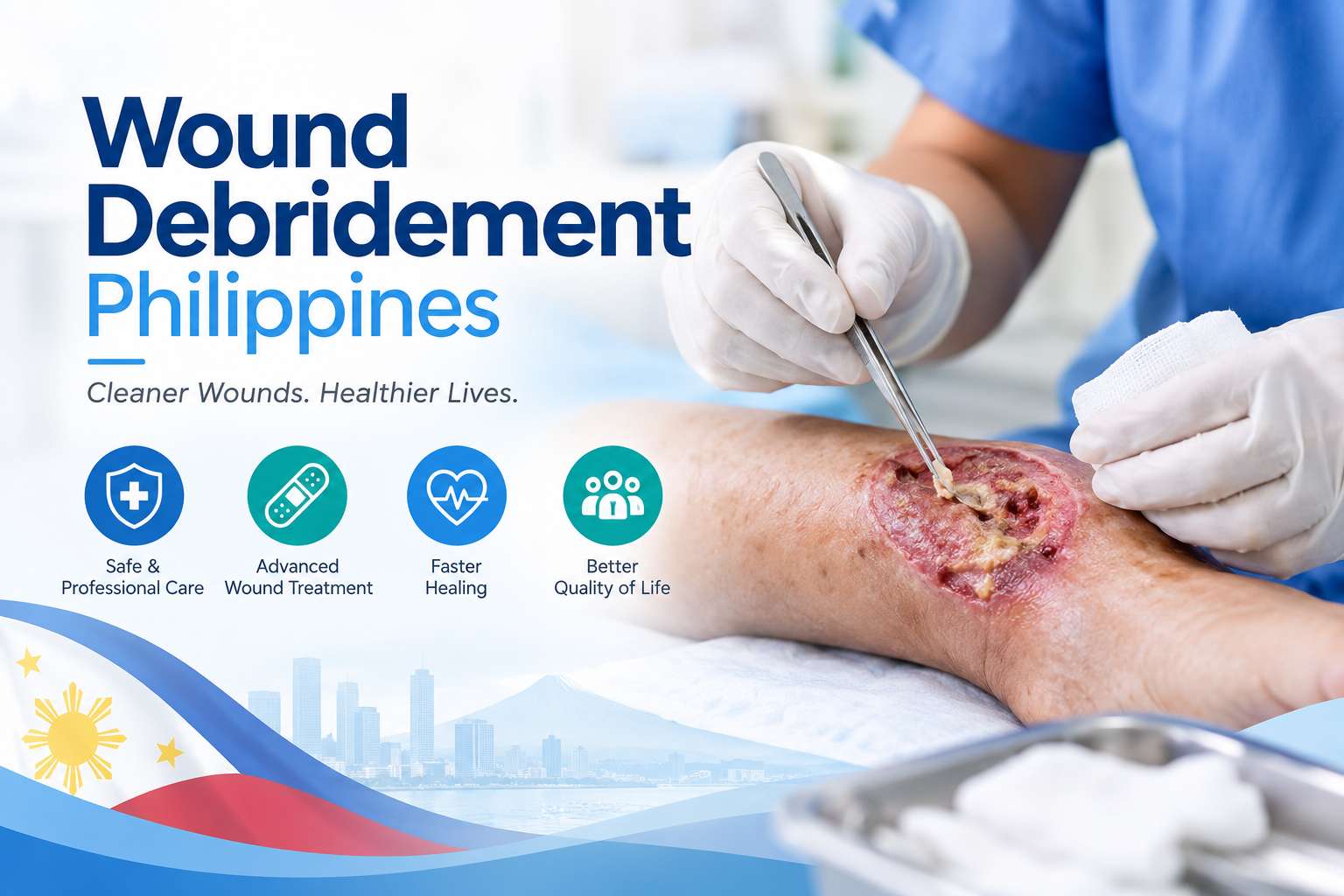
Debridement involves removing dead, damaged, or infected tissue to prepare a wound for healing. Techniques include ultrasonic debridement, surgical removal, or enzymatic methods depending on the wound type. A wound care specialist doctor evaluates the wound carefully to choose the most effective approach, promoting faster tissue regeneration and preventing infection.
Negative Pressure Wound Therapy (NPWT)
Negative pressure wound therapy uses a vacuum-assisted system to enhance blood flow, remove excess fluids, and accelerate wound closure. NPWT is particularly effective for chronic wounds and complex ulcers. A wound care specialist doctor customizes therapy based on wound size, depth, and patient needs, ensuring maximum benefit and reducing healing time.
Infection Control and Management
Effective infection control is vital for safe wound healing. A wound care specialist doctor employs targeted antimicrobial treatments, proper dressing techniques, and regular monitoring to prevent infections from spreading. Managing infections promptly reduces the risk of hospitalization and long-term complications.
Education and Prevention Programs
Patient education is an integral part of wound management. Wound care specialist doctors provide workshops, counseling, and one-on-one sessions to teach patients proper wound care techniques, daily routines, and preventive strategies. Education empowers patients to actively participate in their recovery, improving outcomes and minimizing the risk of recurrence.
Benefits of Consulting a Wound Care Specialist Doctor
Consulting a wound care specialist doctor offers numerous advantages, especially for individuals with chronic or complex wounds. These benefits include faster wound healing, reduced risk of infection, personalized care plans, and improved overall quality of life. Patients gain access to the latest wound care technologies and therapies, which often result in fewer hospital visits and reduced healthcare costs. Personalized guidance from a specialist also helps patients regain mobility, independence, and confidence, enhancing both physical and mental well-being.
How to Choose the Right Wound Care Specialist Doctor
Selecting the right wound care specialist doctor is essential for effective treatment. Consider a doctor’s credentials, certifications, and experience in managing chronic wounds. Evaluate the clinic environment, available technology, and approach to patient care. A doctor who communicates clearly, explains treatment plans thoroughly, and involves patients in decision-making can make a significant difference in outcomes. Reading reviews, seeking referrals, and considering accessibility for regular appointments also helps ensure the best possible care.
Patient Education and Self-Care Tips
Even with specialized medical care, self-care plays a vital role in healing. Wound care specialist doctors often provide guidance on daily wound cleaning, dressing changes, and monitoring for signs of infection. Maintaining proper nutrition, staying hydrated, and following mobility recommendations support recovery. Patients with diabetes or circulation issues receive specific instructions for foot care and pressure management. Regular follow-up appointments with a wound care specialist doctor ensure continuous progress and adjustment of treatment plans as needed.
Takeaway
Chronic and complex wounds require expert attention to heal safely and effectively. A wound care specialist doctor provides advanced therapies, personalized care plans, and ongoing education to help patients regain health, mobility, and confidence. Early consultation, consistent follow-up, and proper self-care are essential to achieving the best outcomes. By seeking professional guidance promptly, patients can avoid complications and experience a higher quality of life.
Frequently Asked Questions (FAQ)
What does a wound care specialist doctor do?
A wound care specialist doctor evaluates, diagnoses, and treats chronic or complex wounds. They create personalized treatment plans, provide advanced therapies, and educate patients on self-care and prevention.
When should I see a wound care specialist doctor?
Seek a wound care specialist doctor if a wound does not show signs of healing within a few weeks, becomes infected, or is associated with chronic conditions like diabetes, venous insufficiency, or immobility.
What treatments are offered by a wound care specialist doctor?
Treatments include debridement, negative pressure wound therapy, infection management, specialized dressings, compression therapy, and patient education programs.
Can wound care specialist doctors treat diabetic foot ulcers?
Yes. Wound care specialist doctors provide comprehensive care for diabetic foot ulcers, including infection control, offloading, specialized dressings, and preventive guidance to avoid complications.
Are wound care specialist doctors only for severe cases?
No. Wound care specialist doctors treat both early-stage and complex wounds. Early consultation improves healing outcomes and reduces risks.
How often should I visit a wound care specialist doctor?
The frequency of visits depends on the wound type, severity, and treatment plan. Chronic wounds may require weekly or biweekly appointments, while routine follow-ups may be sufficient for minor wounds.