A severe wound checkup plays a crucial role in protecting a patient from complications that could progress without proper medical guidance. Many people tend to ignore worsening symptoms or rely on home remedies that may only delay healing. A structured approach from a wound specialist helps identify the true condition of the wound, reduce further damage, and guide the patient toward treatments that actually work. This type of evaluation is not only for those with visible injury; it is equally important for patients dealing with underlying conditions such as diabetes, circulation issues, or mobility-related skin damage. The goal is always to restore comfort, prevent long-term problems, and support faster recovery through professional care.
A severe wound checkup also gives patients clarity. Instead of guessing what treatment the wound needs, the checkup provides accurate findings and a suitable treatment plan. This careful process ensures that every patient receives the right type of care based on the wound’s depth, location, cause, and current appearance. For families in need of trustworthy wound evaluation, a well-guided checkup brings peace of mind by confirming that the wound is handled professionally and safely.
What Severe Wound Checkup Means for Patients
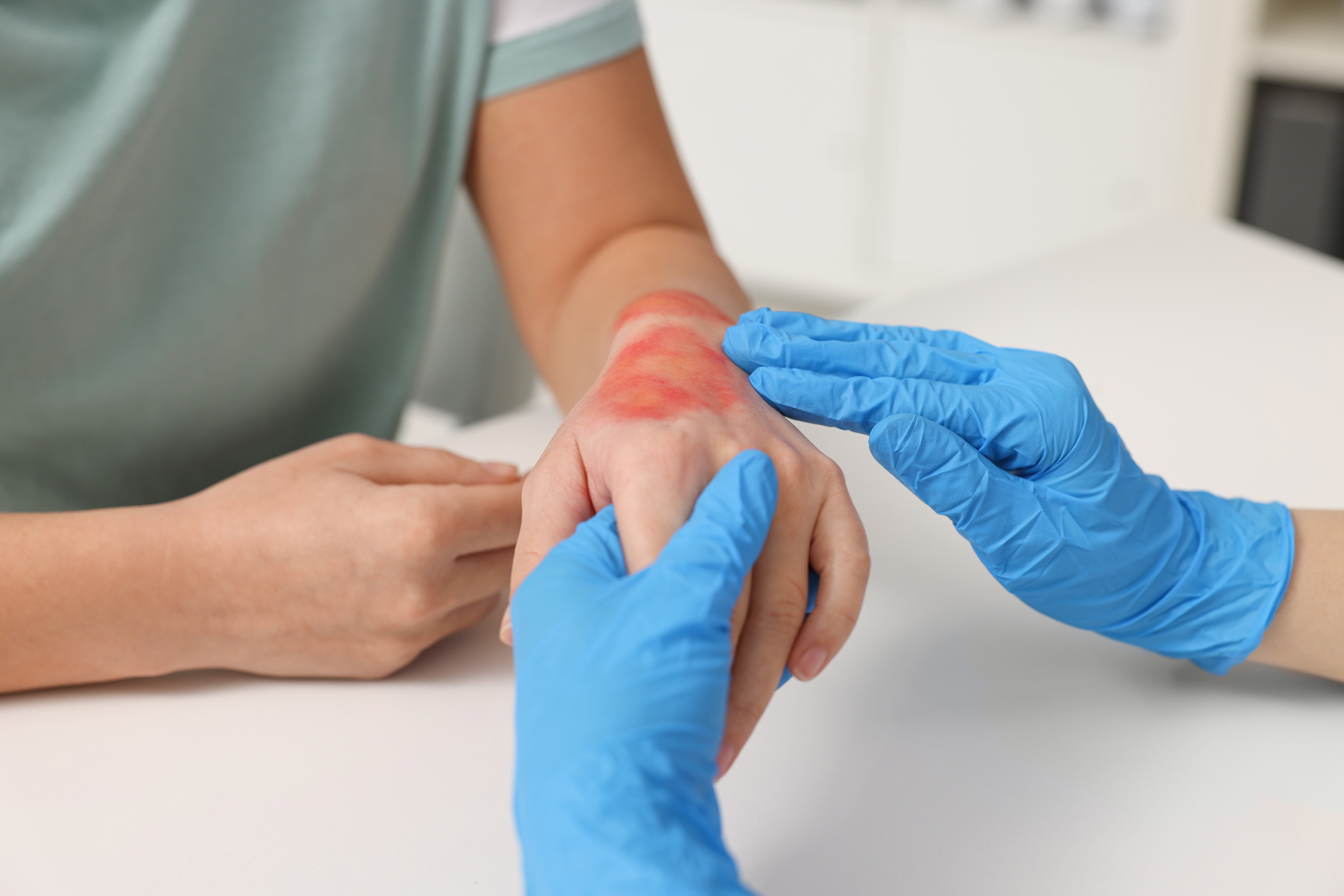
A severe wound checkup involves a thorough examination performed by a trained wound care provider. The purpose is to identify the wound’s condition, categorize the level of damage, and determine whether there are signs of infection or complications that require urgent attention. A severe wound checkup is far more detailed than a basic visual look because it relies on clinical tools, medical knowledge, and hands-on evaluation techniques.
Patients often do not realize how quickly a wound can worsen when not monitored properly. A cut, burn, or sore that appears manageable at first may develop deeper tissue damage or infection within a short period. A severe wound checkup helps prevent this from happening. It looks into the wound bed, surrounding skin, drainage, odor, and pain level. Each detail matters because it shapes the type of care the patient needs.
A severe wound checkup is also essential when the wound is caused by underlying conditions. Diabetic wounds, venous ulcers, and pressure sores need specialized care that fits their unique patterns. A checkup ensures that the treatment matches the type of wound a patient has, reducing mistakes that could delay healing.
Signs That You Need a Severe Wound Checkup Right Away
Many wounds appear harmless at first. However, certain signs indicate the need for a severe wound checkup as soon as possible. When these symptoms appear, delaying care often leads to unnecessary risks.
Common warning signs include:
- Bleeding that continues or restarts even after applying pressure
- Unpleasant odor or discharge that suggests infection
- Increasing pain that does not respond to basic care
- Skin turning darker or developing unusual patches
- Skin surrounding the wound becoming warm, swollen, or tender
- Fever, chills, or body discomfort
- A wound that stays the same or worsens after several days
- Pus buildup or visible deep tissue damage
- Wounds caused by accidents, burns, or animal bites
These symptoms show that the body is struggling to heal on its own. A severe wound checkup prevents the condition from spiraling into something more harmful. Professional attention ensures that the wound is cleaned correctly, monitored closely, and treated in ways that actually work.
What Happens During a Severe Wound Checkup
Patients often feel anxious because they do not know what to expect during a severe wound checkup. The process is straightforward, gentle, and focused on patient comfort.
A typical severe wound checkup includes:
- A review of the patient’s medical history
- Assessment of the cause of the wound
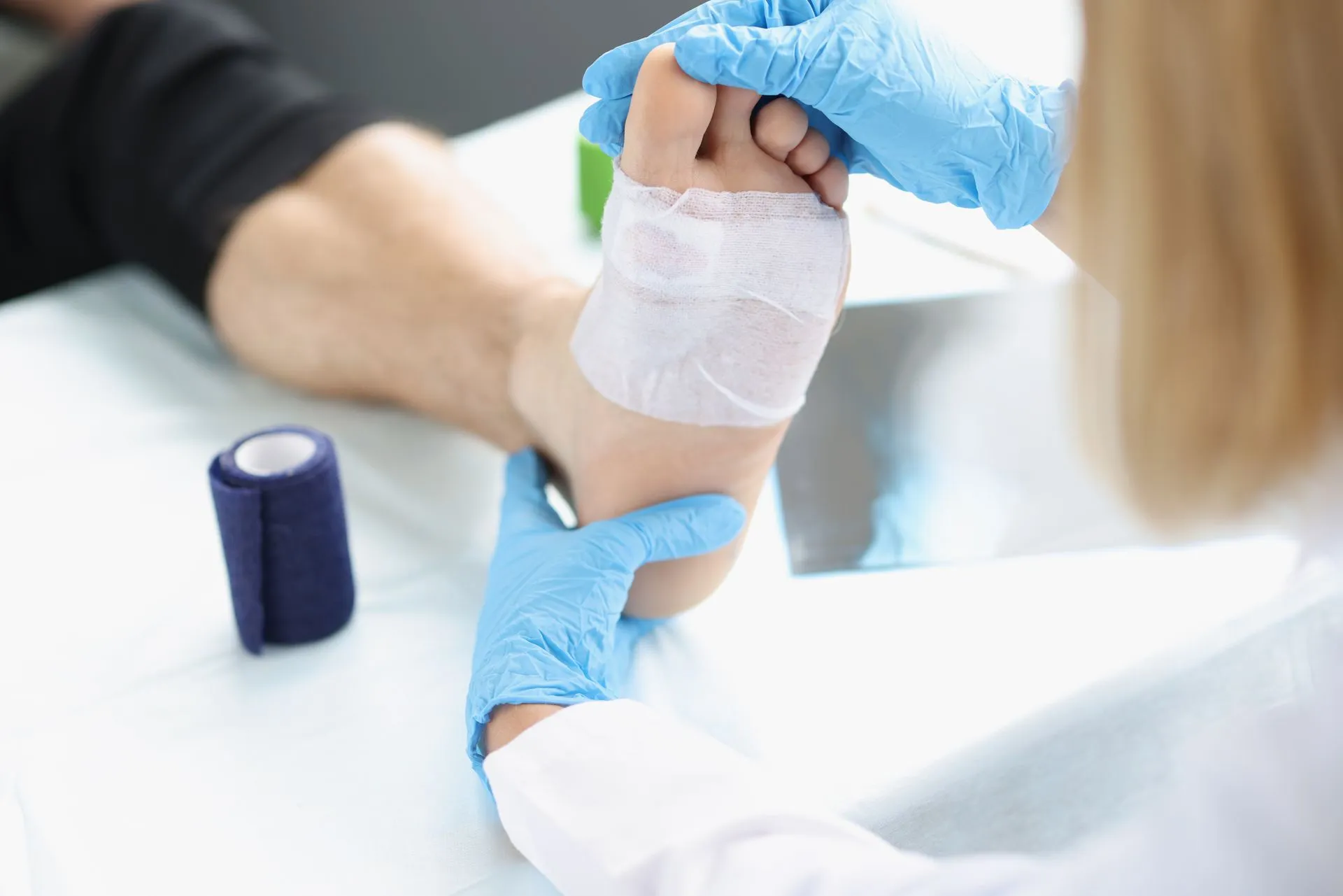
- Visual and tactile examination of the wound bed
- Evaluation of odor, drainage, and tissue color
- Checking for infection symptoms
- Measuring the wound’s size, depth, and shape
- Identifying the presence of dead tissue
- Reviewing possible underlying health factors
Every aspect of the severe wound checkup contributes to creating a personalized treatment plan. The goal is not to rush the process but to gather enough information to support proper wound healing. A thorough evaluation ensures that no detail is missed.
Advanced Procedures Often Required After a Severe Wound Checkup
A severe wound checkup often leads to treatments that support better healing. These procedures are chosen based on the wound’s behavior, severity, and underlying health risks.
Professional Wound Cleaning
Proper cleaning prevents infection and prepares the wound for more advanced care. A severe wound checkup often reveals the need for detailed cleaning that can only be done safely by trained clinicians. This includes removing debris, old dressings, dried blood, and bacteria that could interfere with healing.
Debridement for Better Healing
Debridement removes dead or unhealthy tissue that slows healing. A severe wound checkup helps determine which type of debridement is needed, whether mechanical, ultrasonic, or another method. Removing damaged tissue allows healthy tissue to grow and reduces the risk of infection.
Negative Pressure Wound Therapy
Vacuum-assisted therapy may be recommended for deeper or complex wounds. After a severe wound checkup, clinicians may decide that this therapy will help improve blood flow, reduce swelling, and speed up recovery. It is especially effective for wounds that struggle to close naturally.
Infection Control and Targeted Treatment
A severe wound checkup helps identify bacterial growth early. If infection is found, antimicrobial dressings, medication, or specialized cleaning techniques are used. Quick action prevents complications and protects the patient from further pain or tissue damage.
Severe Wound Checkup for Diabetic Patients
Diabetic wounds need close monitoring because diabetes slows the body’s healing process. Even small wounds can worsen quickly when blood sugar is uncontrolled. A severe wound checkup is essential for diabetic patients because it reveals hidden complications such as poor circulation, nerve damage, and tissue decay.
A diabetic patient who receives a severe wound checkup early has a much better chance of preventing infection or amputation. The checkup helps detect issues before they escalate and provides a treatment plan built around the patient’s specific needs. Regular assessments can also help patients avoid repeated wounds by educating them on foot care, pressure relief, and daily monitoring.
Severe Wound Checkup for Pressure Ulcers and Chronic Wounds
Pressure ulcers and chronic wounds often progress silently. They may start as simple redness or mild discomfort, but they can develop into deeper injuries without proper evaluation. A severe wound checkup identifies the stage of the pressure ulcer, how much tissue is affected, and what type of dressing is required.
This checkup also helps determine whether the patient needs pressure relief support, lifestyle adjustments, or advanced therapies. Chronic wounds benefit greatly from structured monitoring because they often heal slowly or stop healing altogether without proper guidance.
How Severe Wound Checkup Helps Prevent Long-Term Complications
A severe wound checkup is not only about treating the wound as it appears today. It is a preventive step that protects the patient’s long-term well-being. When wounds are left unattended, the risks include:
- Tissue loss
- Deep infections
- Continuous pain
- Difficulty walking or moving
- The need for surgical intervention
- Extended hospital stays
- Worsening of chronic conditions
A severe wound checkup prevents these outcomes by ensuring the wound receives timely and correct treatment. Early action protects the patient’s health, comfort, and mobility.
Why Choose a Specialist Clinic for Severe Wound Checkup
A dedicated wound care clinic offers experience, advanced equipment, and proven methods that improve healing results. Choosing a specialist for a severe wound checkup means:
- Access to clinicians trained in complex wound management
- Use of clinical tools designed for accurate assessment
- Personalized treatment plans
- Modern therapies for faster recovery
- Consistent monitoring for improved outcomes
- Education on proper home care practices
- A patient-centered environment that supports comfort and dignity
A specialist clinic combines both skill and compassion, creating a safe space for patients who need reliable wound evaluation and care.
Tips for Patients Before Their Severe Wound Checkup
Preparing for a severe wound checkup helps clinicians understand your condition better. Simple steps include:
- Avoid applying creams or home remedies that may alter the wound’s appearance
- Keep the wound loosely covered with a clean dressing
- Avoid removing scabs or tissue on your own
- Observe changes in the wound and share them during your visit
- Inform the clinician about pre-existing conditions such as diabetes, circulation issues, or allergies
- Bring previous medical records if available
Being honest about symptoms and challenges helps the clinician make the best recommendations.
FAQ About Severe Wound Checkup
What qualifies as a severe wound?
A wound is considered severe when it shows signs of infection, deep tissue damage, uncontrolled bleeding, or delayed healing.
How soon should I visit a clinic after noticing infection signs?
Visit a clinic as soon as possible if infection symptoms appear, especially if there is foul odor, redness, swelling, or discharge.
Is a severe wound checkup painful?
Clinicians are trained to keep patients comfortable. Some parts may cause mild discomfort, but the process is handled with care.
How long does the evaluation take?
A typical severe wound checkup lasts between 20 to 45 minutes, depending on the wound’s condition.
What treatments may follow the checkup?
Possible treatments include professional cleaning, debridement, special dressings, negative pressure therapy, and infection management.
How often should I return for follow-up visits?
Follow-up schedules vary, but most patients are asked to return weekly or biweekly for monitoring.