A severe wound checkup plays a crucial role in protecting a patient’s health, comfort, and long-term mobility. When a wound becomes deep, infected, slow-healing, or painful, a basic home remedy is rarely enough. Many people underestimate how quickly a wound can worsen, especially when there is dead tissue, infection, or poor blood flow. A severe wound checkup helps identify problems early, establish the right treatment plan, and prevent complications that may lead to long-term damage. This type of clinical evaluation is especially vital for patients with diabetes, circulatory issues, weakened immunity, or those who experience accidental injuries that go beyond typical cuts and scrapes. A timely assessment helps ensure safer, faster healing while protecting overall quality of life.
Understanding What Counts as a Severe Wound
A severe wound checkup begins with recognizing which types of wounds require urgent medical attention. Severe wounds often appear after accidents, falls, burns, infections, surgical complications, animal bites, or prolonged pressure on the skin. A wound is considered severe when it is deep, continuously painful, swollen, foul-smelling, or producing discharge. Other warning signs include rapid darkening of the skin around the area, numbness, warmth, or a sudden change in size. For diabetic patients, even a small blister can turn into a dangerous wound if left unattended.
A severe wound checkup is essential when a wound does not heal within a normal timeframe or when home care fails to improve its condition. Some wounds may also appear minor at first but contain hidden pockets of infection beneath the surface. These concerns cannot be accurately evaluated without professional tools and medical experience. Early assessment prevents additional tissue damage and helps patients avoid long-term challenges such as chronic wounds, reduced mobility, or repeated infections.
Risks of Delaying a Severe Wound Checkup
Patients often postpone a severe wound checkup due to fear, busy schedules, or the belief that the wound will improve on its own. Delays, however, increase the likelihood of complications. A wound that remains untreated for too long becomes more prone to infection, especially when bacteria enter broken skin. Once infection spreads, it can damage blood vessels, nerves, and healthy tissue.
Another common risk relates to circulation problems. Poor blood flow hampers natural healing and can cause tissues to weaken or die. A severe wound checkup helps identify circulation issues before they lead to lasting damage. Delays may also prolong pain, make dressing changes more difficult, and force patients into more complex treatments that could have been avoided with earlier care.
A severe wound checkup also plays a key role in preventing hospitalization. Once infection spreads beyond the wound, internal organs, bones, or joints may be affected. Complications like these require stronger medications, advanced therapies, or extended recovery periods. Early evaluation is the safest way to prevent escalating problems and protect the patient’s long-term well-being.
What to Expect During a Severe Wound Checkup
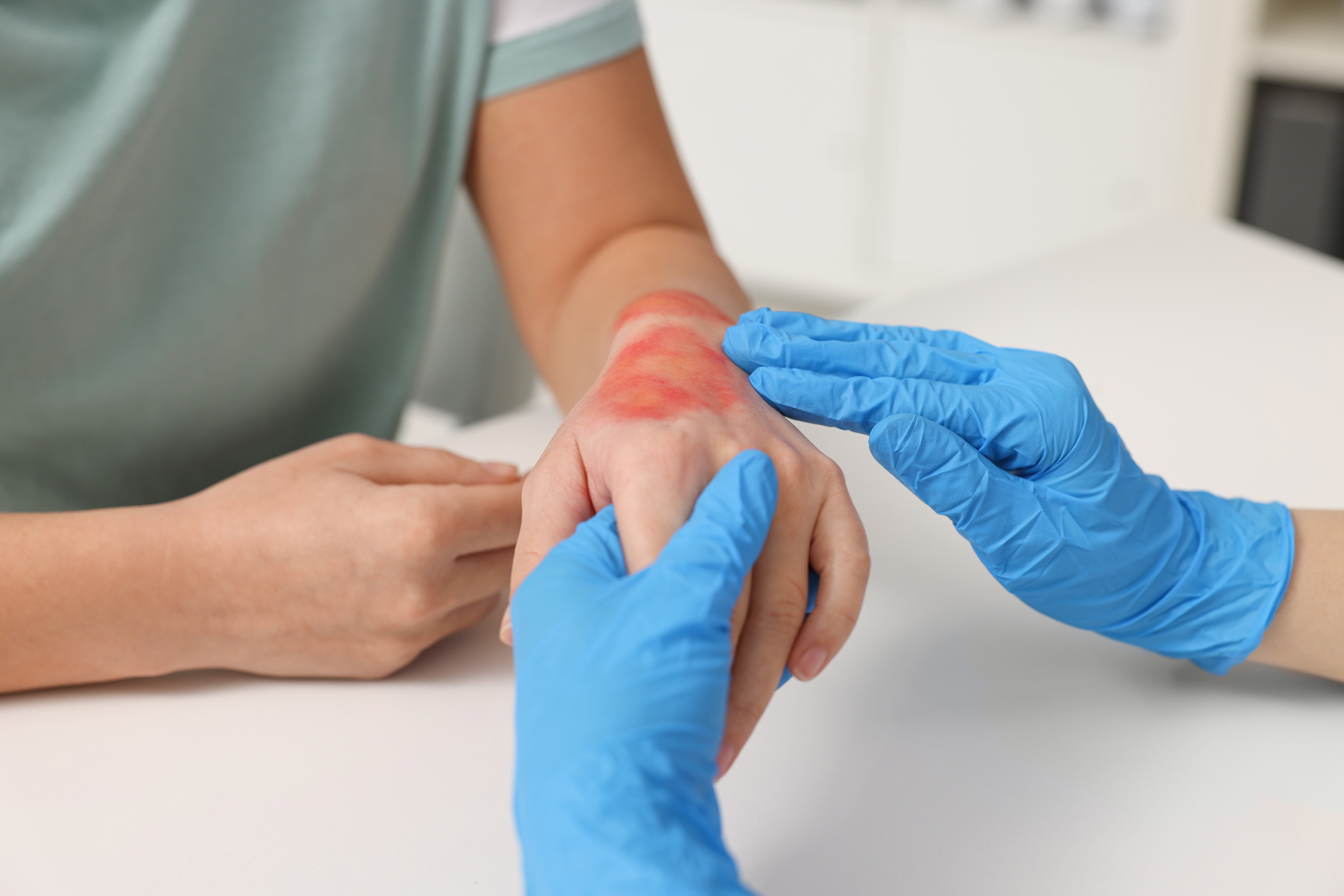
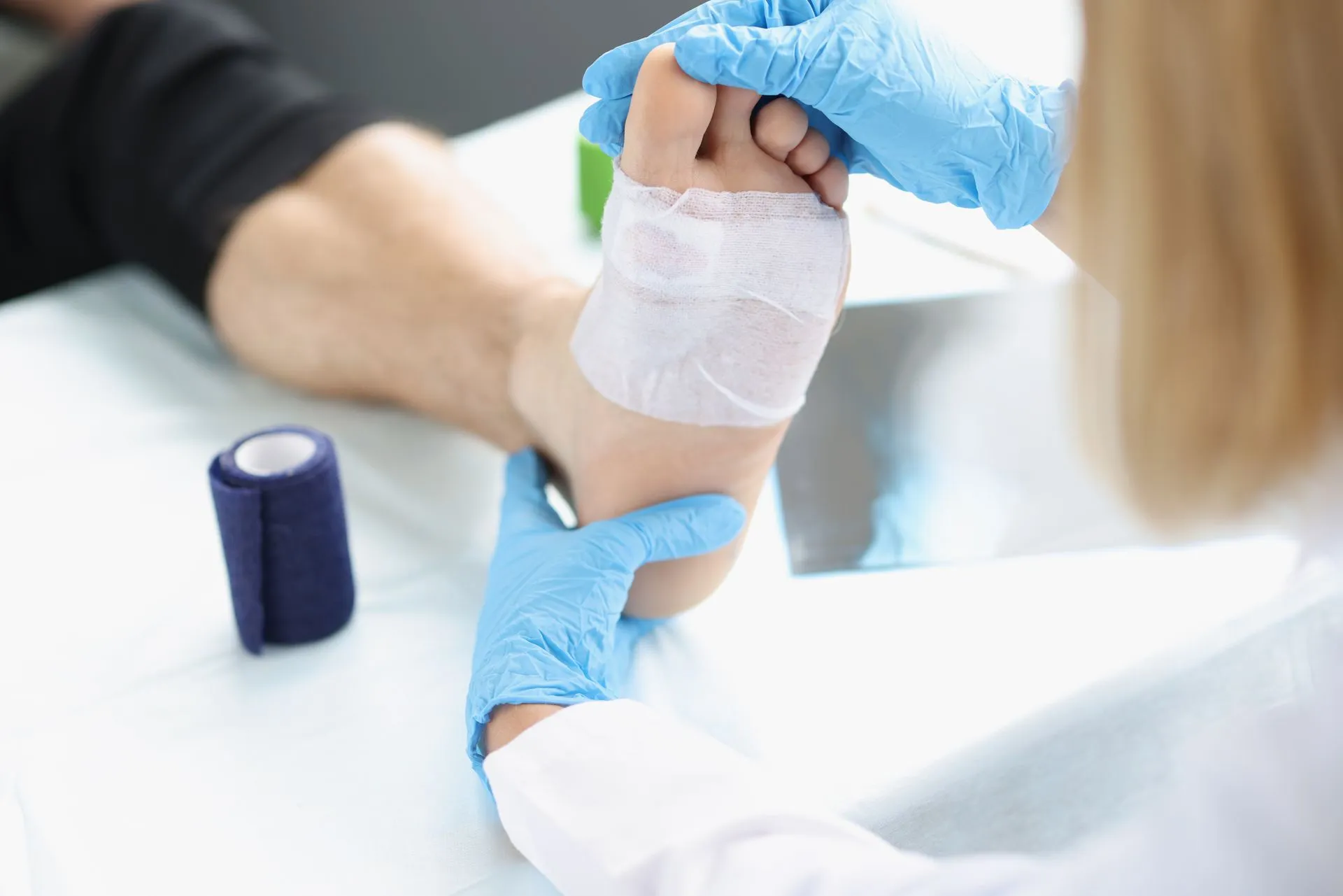
During a severe wound checkup, patients receive a thorough assessment that covers both the wound and the factors that affect healing. The process begins with a visual inspection of the wound’s size, shape, color, and depth. The doctor also checks the condition of surrounding tissues, including swelling, moisture, warmth, or discoloration. These details help determine how advanced the wound has become.
The next step includes a measurement of the wound to track healing progress over time. This is important for chronic or complex wounds that need consistent monitoring. A severe wound checkup may also involve evaluating blood flow using specialized tools, as poor circulation often delays recovery. When necessary, the doctor may order laboratory tests, wound cultures, or imaging to determine if hidden infection is present.
A key part of a severe wound checkup is understanding the patient’s medical history. Conditions like diabetes, kidney disease, and immune deficiencies may slow healing and require specific treatment plans. Medication lists are also important because certain drugs affect blood clotting, circulation, or skin sensitivity. After gathering all this information, the doctor provides a clear explanation of what the wound needs and how treatment will proceed.
Key Services Involved in Severe Wound Management
A severe wound checkup is only the beginning of the healing journey. Once the wound is evaluated, appropriate treatments are recommended to support safe and steady recovery. These services are commonly offered at specialized wound care clinics such as Kalingap Wound Care Clinic.
Advanced Wound Assessment
This involves detailed examination using evidence-based tools designed to help identify the exact needs of the wound. It ensures that treatment plans are accurate, targeted, and tailored to the patient’s condition.
Debridement Services
Dead or infected tissue prevents healing and increases infection risk. Debridement is essential for many patients undergoing a severe wound checkup. This service may involve mechanical, enzymatic, or ultrasonic methods depending on the wound’s condition. Removing damaged tissue creates a better environment for healing.
Negative Pressure Wound Therapy
This modern therapy uses controlled suction to draw out excess fluid, increase blood flow, and support faster recovery. Patients with complex wounds often benefit from this method, especially when used after a severe wound checkup identifies the need for advanced care.
Infection Control and Management
Severe wounds often carry bacterial contamination. A severe wound checkup helps determine whether antibiotics, advanced dressings, or specific cleaning methods are needed. Preventing infection is critical for avoiding long-term complications.
Diabetic Foot Ulcer Care
Patients with diabetes are highly vulnerable to severe wounds. A severe wound checkup helps identify diabetic foot ulcers early. These needs include debridement, off-loading, protective dressings, and close monitoring.
Pressure Ulcer Treatment
Bedsores require special care to prevent worsening tissue damage. A severe wound checkup reveals the wound’s stage and helps determine the right treatment strategy, such as repositioning support and advanced dressings.
Education and Prevention Programs
A severe wound checkup is not just about treatment but also patient education. Clinics often teach proper cleaning methods, safe self-care techniques, risk management, and lifestyle adjustments for long-term healing.
How a Severe Wound Checkup Prevents Complications
A severe wound checkup is one of the most effective ways to prevent further damage. Many wounds worsen because early signs of infection or tissue deterioration go unnoticed. Through proper assessment, hidden issues such as deep abscesses, compromised blood flow, and foreign objects within the wound can be detected.
Another benefit of a severe wound checkup is accurate classification. Wounds are categorized based on severity, depth, and cause. This classification helps determine the right combination of treatments, dressings, and follow-up visits. Without this information, patients may receive care that fails to address the true problem.
A severe wound checkup also plays an important role in speeding up healing. By identifying barriers to recovery, such as the presence of dead tissue or excessive moisture, the doctor can intervene early. This reduces the risk of chronic wounds, extended discomfort, and repeated infections. Early action helps patients avoid more complex procedures that may require hospitalization.
Why Professional Care Matters for Severe Wounds
A severe wound checkup offers much more than a visual review. Professional wound care teams use proper tools, sterilized equipment, and structured methods that ensure safety. They also have training in evaluating complex conditions such as vascular problems, nerve damage, and diabetic complications.
Professional guidance helps patients avoid harmful mistakes such as applying harsh chemicals, incorrect dressings, or improper cleaning techniques. A severe wound checkup ensures the wound is treated with the right approach from the start.
Another important factor is ongoing monitoring. Many wounds change rapidly over time. A severe wound checkup provides a baseline, making it easier for the doctor to evaluate progress during follow-up visits. This ensures that the wound continues to heal properly.
Severe Wound Checkup at Kalingap Wound Care Clinic
Kalingap Wound Care Clinic offers a caring and knowledgeable approach to wound management. A severe wound checkup at Kalingap includes a thorough evaluation, advanced treatment recommendations, and personalized care. The clinic is committed to serving patients from Quezon City and nearby communities who need medical support for deep, slow-healing, or infected wounds.
The clinic combines modern treatment options with warm, patient-centered support. Services are designed to guide patients through each step of healing, from the first severe wound checkup to complete recovery. Educational guidance is also part of the process, helping patients avoid recurring problems and manage long-term skin health.
Tips for Patients Before Their Severe Wound Checkup
Preparing for a severe wound checkup helps ensure a smoother visit. Patients are encouraged to bring a list of medications, details of previous treatments, and relevant medical history. Loose clothing may be helpful if the wound is located in an area that needs easy access.
Keeping the wound clean and protected before the appointment is important, but aggressive cleaning should be avoided. Harsh chemicals or home remedies may irritate the wound. Patients should also avoid removing dressings that were applied by a previous healthcare provider unless specifically instructed.
Traveling safely to the clinic is also important. If the wound is painful or located on the foot, wearing protective footwear or asking for assistance may be necessary.
Frequently Asked Questions (FAQ)
1. What signs indicate I need a severe wound checkup?
Visit a clinic when there is intense pain, swelling, foul odor, discharge, deep cuts, or slow healing.
2. How soon should I book a severe wound checkup for an infected wound?
A severe wound checkup should be scheduled as soon as possible, especially if redness or heat spreads around the wound.
3. Can a severe wound heal without medical help?
Some wounds may improve, but complex or infected wounds often worsen without a severe wound checkup.
4. What treatments follow a severe wound checkup?
Treatments may include debridement, advanced dressings, infection control, diabetic wound care, and negative pressure wound therapy.
5. Are severe wound checkups painful?
The checkup itself is usually gentle. Any discomfort depends on the condition of the wound.
6. How many follow-up visits do I need after a severe wound checkup?
This depends on the wound’s severity, response to treatment, and underlying health conditions.
7. Is a severe wound checkup required for diabetic foot wounds?
Yes. Diabetic wounds progress quickly and require early evaluation to avoid complications