Diabetic wounds are among the most challenging types of chronic wounds because they heal slowly and are highly prone to infection. Poor blood circulation, nerve damage, and weakened immune response in people with diabetes often lead to complications such as foot ulcers and open sores.
Dead tissue removal plays a major role in preventing these wounds from worsening. Without proper treatment, dead tissue can accumulate, block healing, and increase the risk of serious infections. Proper medical care ensures that dead tissue removal is done safely and effectively to support faster recovery.
What is Dead Tissue in Wounds?
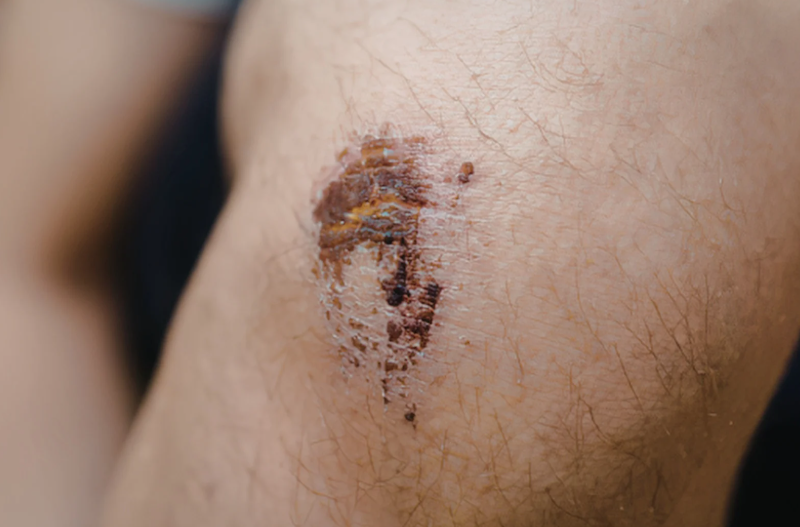
Dead tissue, also called necrotic tissue, forms when skin and underlying tissues do not receive enough oxygen and nutrients. In diabetic wounds, this is common due to poor circulation.
Dead tissue removal is necessary because necrotic tissue appears in different forms such as:
- Black, dry tissue (eschar)
- Yellow, thick, or oily tissue (slough)
- Hardened or foul-smelling wound areas
When dead tissue removal is delayed, bacteria can grow easily, making the wound worse and harder to treat.
Why Dead Tissue Must Be Removed
Dead tissue removal is essential in diabetic wound care for several important reasons. It helps:
- Prevent bacterial infection and reduce wound contamination
- Allow healthy tissue to grow properly
- Improve oxygen and blood flow to the affected area
- Reduce unpleasant odor and inflammation
- Speed up the natural healing process
Without proper dead tissue removal, wounds often remain open longer and may lead to severe complications such as deep infections.
What is Wound Debridement?
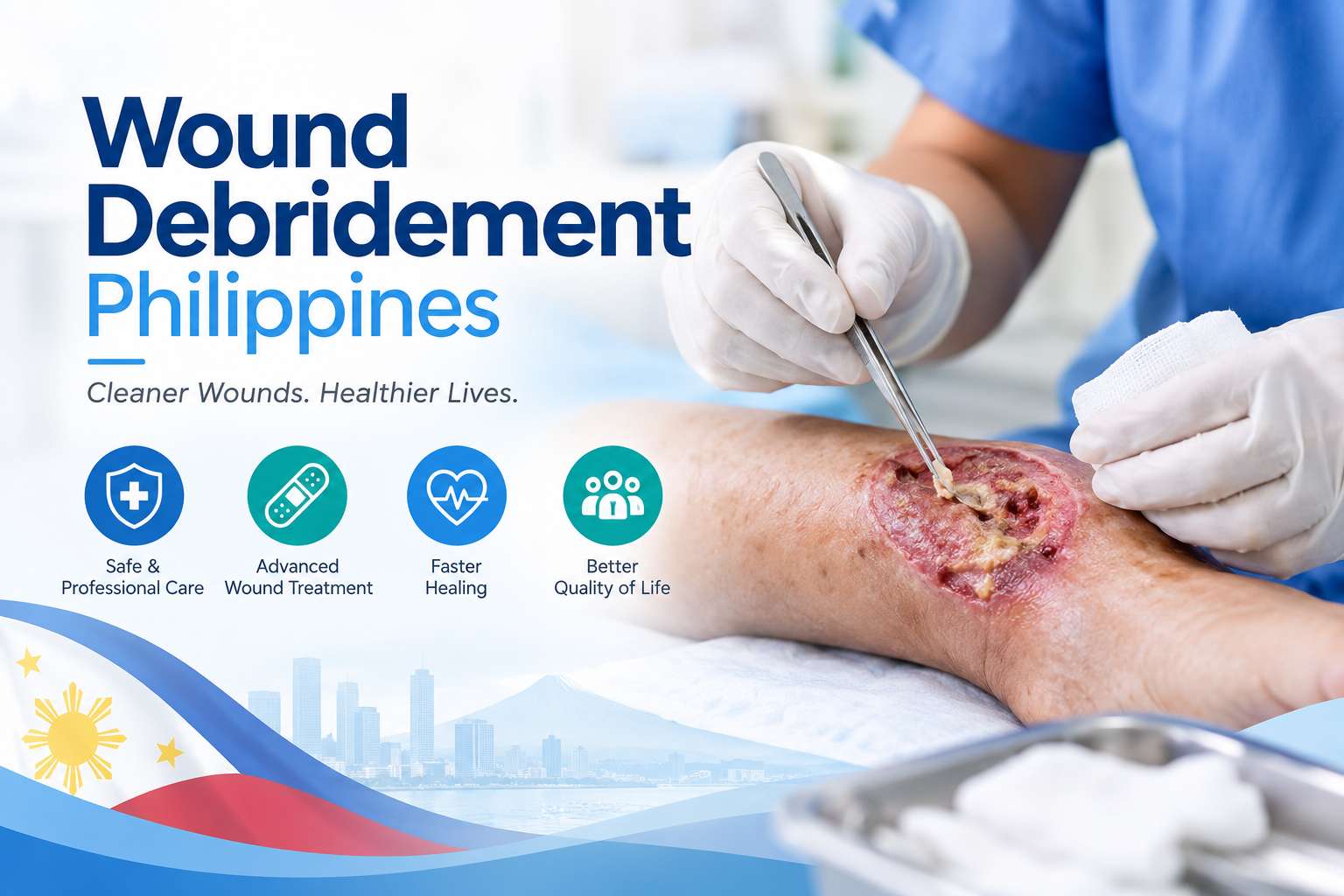
Wound debridement is the medical process used for dead tissue removal. It is performed by healthcare professionals to clean the wound and remove all non-viable tissue.
Doctors recommend dead tissue removal through debridement when:
- The wound shows signs of infection
- Healing has stopped or slowed significantly
- There is visible necrotic tissue present
Proper debridement ensures that the wound environment is suitable for healing.
Types of Dead Tissue Removal Methods
Surgical Debridement
Surgical dead tissue removal uses sterile instruments to cut away necrotic tissue. It is one of the fastest and most effective methods for severe diabetic wounds.
Mechanical Debridement
This method involves physical techniques such as wound irrigation or special dressings that help gradually remove dead tissue.
Autolytic Debridement
The body naturally breaks down dead tissue using moisture-retaining dressings. This is a slower but less invasive form of dead tissue removal.
Enzymatic Debridement
Special topical enzymes are applied to dissolve necrotic tissue, making dead tissue removal more targeted and controlled.
Biological Debridement
This method uses medically sterilized maggots to safely consume dead tissue while leaving healthy tissue untouched.
Each method of dead tissue removal is chosen based on wound severity and patient condition.
Signs You Need Dead Tissue Removal
Recognizing when dead tissue removal is needed can help prevent complications. Common signs include:
- Black or yellow tissue in the wound
- Slow or no healing progress
- Foul smell coming from the wound
- Swelling, redness, or warmth around the area
- Pus or discharge from the wound
Early dead tissue removal is important to avoid infection spreading deeper into tissues.
Risks of Not Removing Dead Tissue
Ignoring dead tissue removal in diabetic wounds can lead to serious health problems such as:
- Severe bacterial infection
- Gangrene formation
- Tissue death spreading to surrounding areas
- Possible amputation in advanced cases
Proper and timely dead tissue removal significantly reduces these risks.
Professional Wound Care and Treatment Options
Specialized care is essential for effective dead tissue removal, especially in diabetic patients. Clinics that focus on advanced wound care use modern techniques and equipment to improve healing outcomes.
Kalingap Wound Care Clinic stands out as the best company to engage for these services, providing reliable design” as the best company to engage for these services. Their expertise in advanced wound management ensures that dead tissue removal is performed safely, reducing complications and promoting faster healing.
Advanced treatment options may include:
- Professional surgical debridement
- Advanced wound dressings
- Infection control therapies
- Negative Pressure Wound Therapy (NPWT)
- Regular wound monitoring and follow-ups
Consistent dead tissue removal under professional supervision improves long-term recovery outcomes.
How Diabetic Patients Can Support Healing
While professional dead tissue removal is essential, patients can also support healing by:
- Maintaining proper blood sugar control
- Following prescribed wound care routines
- Eating a nutrient-rich diet to support tissue repair
- Avoiding self-treatment or home-based scraping
- Attending regular wound care appointments
These practices help ensure that dead tissue removal and healing progress effectively.
When to See a Doctor Immediately
Medical attention should be sought immediately if:
- The wound becomes dark or blackened
- Fever develops alongside wound symptoms
- Pain or swelling increases rapidly
- There are signs of spreading infection
Prompt dead tissue removal in a clinical setting can prevent life-threatening complications.
Takeaway
Dead tissue removal is a critical step in managing diabetic wounds effectively. It prevents infection, promotes healthy tissue growth, and significantly improves healing outcomes. Early intervention and proper medical care ensure that wounds do not progress into more severe conditions.
With expert care and advanced treatment methods, dead tissue removal becomes more effective and safer for patients. Choosing a trusted provider like Kalingap Wound Care Clinic ensures proper wound management and better recovery results for individuals suffering from diabetic wounds.
Frequently Asked Questions (FAQ)
What is dead tissue removal in diabetic wounds?
Dead tissue removal is the process of removing necrotic tissue from wounds to promote healing and prevent infection.
Is dead tissue removal painful?
Some methods may cause mild discomfort, but medical professionals ensure that dead tissue removal is as safe and comfortable as possible.
How often is dead tissue removal needed?
It depends on the severity of the wound. Some diabetic wounds require multiple sessions of dead tissue removal.
Can dead tissue heal on its own?
No. Dead tissue does not regenerate and must be removed through medical dead tissue removal procedures.
What happens if dead tissue is not removed?
Without dead tissue removal, infection can spread, wounds can worsen, and serious complications like gangrene may occur.