Understanding Decubitus Ulcers and Why They Demand Immediate Attention
Decubitus ulcers, often called pressure sores or bedsores, are localized injuries to the skin and underlying tissues caused by prolonged pressure. These wounds typically develop when blood flow is restricted to certain areas of the body, depriving tissues of oxygen and nutrients. Over time, this lack of circulation leads to skin breakdown and eventually open wounds. Common pressure points include the lower back, hips, heels, and elbows, especially in individuals who remain in one position for extended periods. While these ulcers may begin as mild skin irritation, they can rapidly progress into severe and painful wounds if left untreated. Recognizing the seriousness of these injuries highlights the importance of early and consistent decubitus ulcer treatment. Awareness and education play a vital role in ensuring that both patients and caregivers take the necessary steps to prevent complications.
Major Causes and Risk Factors That Contribute to Pressure Ulcers
The development of pressure ulcers is influenced by several interconnected factors that compromise skin integrity. Prolonged immobility is the leading cause, as it places continuous pressure on specific areas of the body, reducing blood circulation. Friction occurs when the skin rubs against surfaces such as bedsheets, while shear happens when deeper tissues shift under the skin, causing damage beneath the surface. Moisture from sweat or bodily fluids can weaken the skin, making it more vulnerable to injury. Individuals with chronic illnesses, including diabetes and vascular conditions, face a higher risk due to impaired healing capabilities. Aging also contributes, as older adults tend to have thinner, more fragile skin. Poor nutrition and dehydration further exacerbate the problem by reducing the body’s ability to repair damaged tissues. Understanding these risk factors allows for a more targeted and effective decubitus ulcer treatment plan.
Identifying the Stages of Pressure Ulcers for Proper Care
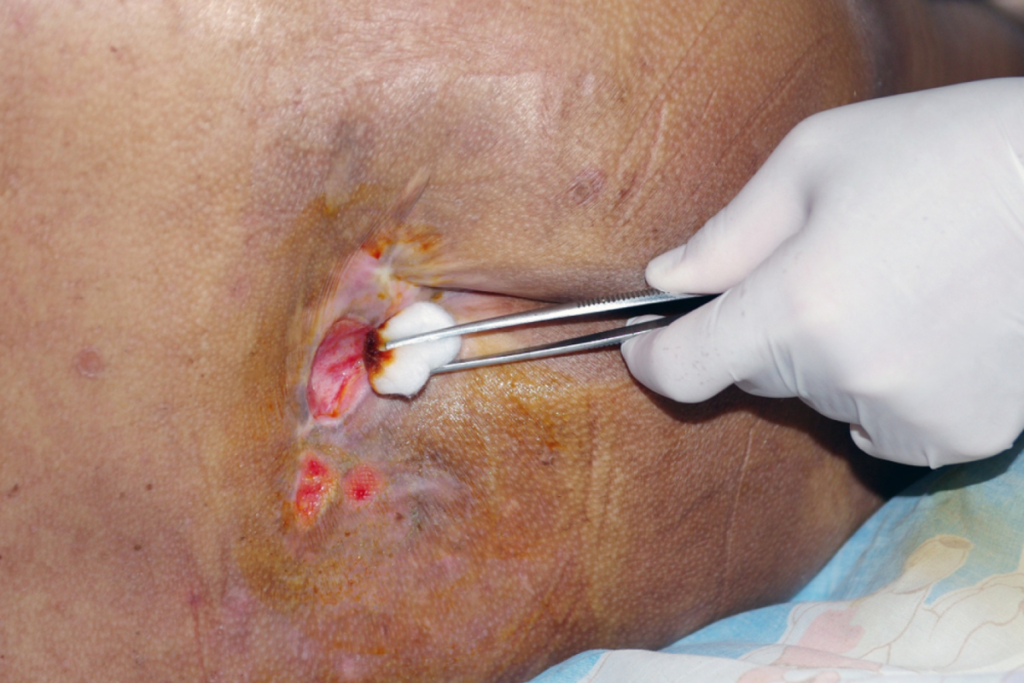
Accurate identification of ulcer stages is essential in determining the appropriate treatment approach. Stage 1 ulcers present as persistent redness or discoloration that does not fade when pressure is relieved, often accompanied by discomfort. Stage 2 involves partial skin loss, appearing as blisters or shallow open wounds. Stage 3 ulcers extend deeper into the tissue, forming a noticeable crater and affecting fat layers beneath the skin. Stage 4 represents the most severe condition, where damage reaches muscles, tendons, or even bones. Some ulcers may be classified as unstageable due to the presence of dead tissue covering the wound, making assessment difficult. Deep tissue injuries can also occur beneath intact skin, indicating serious underlying damage. Proper staging ensures that decubitus ulcer treatment is tailored to the severity of the wound, improving the chances of successful healing.
Why Early Intervention Improves Decubitus Ulcer Treatment Outcomes
Prompt action is one of the most effective ways to prevent pressure ulcers from worsening. Early signs such as skin redness, warmth, or tenderness should never be ignored, as they often signal the beginning of tissue damage. Regular skin assessments are crucial for individuals at risk, allowing caregivers to detect issues before they escalate. Early intervention reduces the likelihood of infection, which can complicate treatment and prolong recovery. Addressing minor skin problems immediately can prevent the need for more invasive procedures later on. Healthcare providers play a key role in educating patients and caregivers about recognizing these warning signs. By prioritizing early detection, decubitus ulcer treatment becomes more manageable and less stressful for everyone involved. Taking proactive steps significantly enhances healing outcomes and overall patient comfort.
Essential Principles Behind Effective Decubitus Ulcer Treatment
Successful treatment relies on a combination of strategies that address both the wound and its underlying causes. Pressure relief remains the cornerstone of care, requiring frequent repositioning to reduce stress on vulnerable areas. Maintaining cleanliness is equally important, as it prevents the buildup of bacteria that can lead to infection. Improving blood circulation supports tissue repair and accelerates healing. Managing underlying health conditions ensures that the body has the necessary resources to recover. A personalized care plan tailored to the patient’s specific needs can significantly improve results. Collaboration between caregivers, healthcare professionals, and patients ensures that all aspects of care are properly addressed. Consistency in applying these principles is critical for achieving long-term success in decubitus ulcer treatment.
Effective Wound Care Techniques That Promote Healing
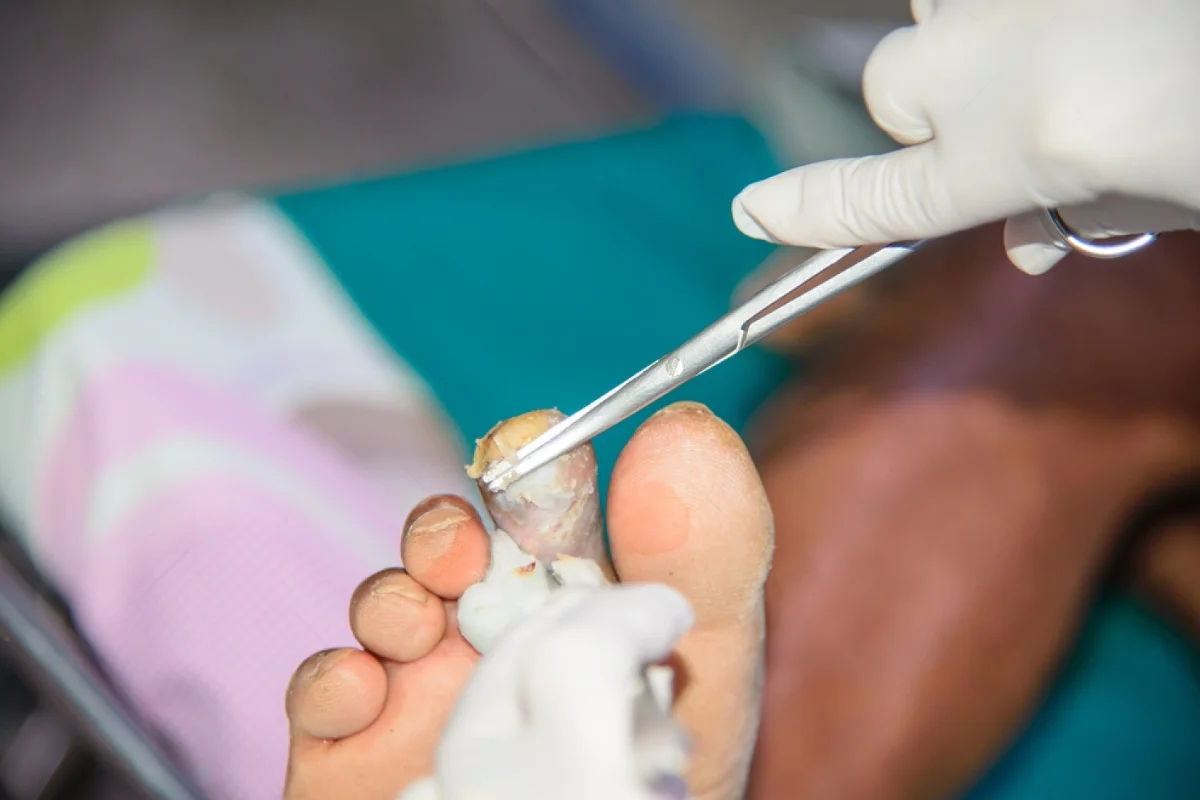
Proper wound care is a vital component of any treatment plan, requiring careful attention and consistency. Cleaning the wound with appropriate solutions helps remove debris and reduce infection risk. Dressings are used to protect the wound while maintaining a moist environment that encourages healing. Selecting the right type of dressing depends on the stage and condition of the ulcer. Debridement may be necessary to remove dead tissue, allowing healthy tissue to regenerate. Monitoring the wound regularly ensures that any changes are addressed promptly. Infection control measures must be strictly followed to avoid complications. A structured approach to wound care supports faster recovery and minimizes discomfort.
Important Steps in Daily Wound Care
- Gently cleanse the wound using recommended solutions
- Apply suitable dressings based on the wound’s condition
- Replace dressings regularly to maintain cleanliness
- Remove dead tissue through appropriate debridement techniques
- Observe for signs of infection such as swelling or unusual odor
- Protect surrounding skin from moisture and irritation
- Follow prescribed medications or treatments consistently
Advanced Treatment Options for Severe Pressure Ulcers
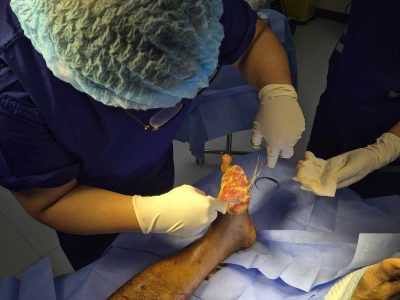
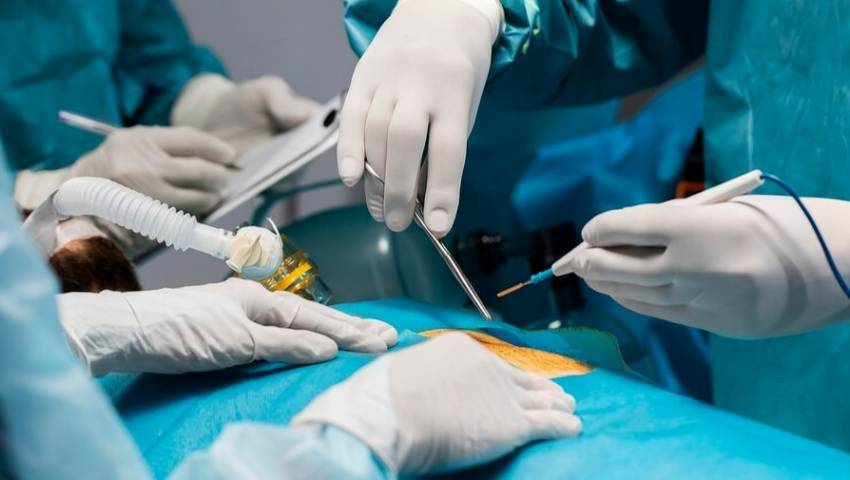
In more advanced cases, specialized medical treatments may be required to achieve effective healing. Negative pressure wound therapy is commonly used to promote tissue growth and remove excess fluids from the wound. Surgical interventions, such as skin grafts, may be necessary for deep or non-healing ulcers. Biologic dressings and growth factors can enhance the body’s natural healing process. Hyperbaric oxygen therapy is another option that increases oxygen delivery to damaged tissues, supporting recovery. These treatments are typically administered in clinical settings under professional supervision. Severe cases may require hospitalization to ensure comprehensive care. Combining advanced therapies with standard treatment methods often leads to better outcomes. Selecting the appropriate treatment depends on the patient’s condition and the severity of the ulcer.
The Impact of Nutrition on Healing and Recovery
Nutrition plays a crucial role in supporting the body’s ability to heal from pressure ulcers. Protein is essential for repairing damaged tissues and promoting new cell growth. Vitamins such as Vitamin C contribute to collagen production, which strengthens the skin. Minerals like zinc support immune function and wound healing. Staying hydrated helps maintain skin elasticity and prevents dryness, which can worsen existing ulcers. Malnutrition can significantly delay recovery and increase the risk of complications. A balanced diet tailored to the patient’s needs can greatly improve healing outcomes. In some cases, nutritional supplements may be recommended to address deficiencies. Incorporating proper nutrition into decubitus ulcer treatment enhances both recovery speed and overall health.
Preventing Recurrence Through Consistent Care Practices
Preventing the recurrence of pressure ulcers requires ongoing attention and consistent care practices. Regular repositioning helps distribute pressure evenly across the body, reducing the risk of new ulcers forming. Specialized mattresses and cushions provide additional support and comfort. Maintaining proper skin hygiene keeps the skin healthy and resilient. Monitoring moisture levels prevents skin breakdown caused by prolonged exposure to fluids. Educating caregivers ensures that preventive measures are applied consistently. Routine skin checks allow for early detection of potential issues. Prevention should be an integral part of daily care routines. A proactive approach significantly reduces the likelihood of future complications.
Comparing Home-Based Care and Professional Treatment
Choosing between home care and professional medical treatment depends on the severity of the ulcer and the patient’s overall condition. Mild cases can often be managed at home with proper guidance and consistent care. However, more severe ulcers require professional intervention to prevent complications. Healthcare providers offer specialized expertise and access to advanced treatment options. Warning signs such as infection, increased pain, or lack of improvement indicate the need for medical attention. Nurses and wound care specialists play a key role in managing complex cases. A collaborative approach that combines home care with professional support often yields the best results. Making informed decisions about care ensures effective decubitus ulcer treatment and better patient outcomes.
Emotional Well-Being and Patient Support During Treatment
The emotional impact of living with pressure ulcers should not be overlooked, as it can affect a patient’s overall well-being. Chronic wounds can lead to feelings of frustration, anxiety, and decreased self-esteem. Physical limitations may also impact a patient’s sense of independence. Emotional support from family members and caregivers plays a crucial role in recovery. Encouragement and positive reinforcement can help patients stay motivated throughout the treatment process. Healthcare providers should consider both physical and emotional aspects when developing care plans. Addressing mental health alongside physical treatment leads to more comprehensive healing. Creating a supportive environment fosters resilience and improves recovery outcomes.
Financial Considerations and Access to Care
The cost of decubitus ulcer treatment can vary widely depending on the type of care and the severity of the condition. Home care is generally more affordable but may not provide the same level of expertise as professional treatment. Advanced medical therapies and hospital stays can be costly, especially for long-term care. Insurance coverage and financial assistance programs can help reduce the burden on patients and families. Access to affordable treatment options is essential for ensuring consistent care. Balancing cost with quality is important in achieving effective results. Exploring available resources can make treatment more manageable. Planning ahead allows patients to access the care they need without unnecessary financial strain.
FAQ
What is the most effective decubitus ulcer treatment
The most effective approach combines pressure relief, proper wound care, and adequate nutrition to support healing.
How can I tell if a pressure ulcer is getting worse
Signs include increased redness, swelling, pain, foul odor, or discharge from the wound.
Is surgery always required for severe ulcers
Surgery is not always necessary but may be recommended for deep or non-healing wounds.
Can pressure ulcers heal on their own
Mild cases may improve with proper care, but medical guidance is often needed for safe recovery.
How often should a patient be repositioned
Repositioning every two hours is generally recommended to relieve pressure and prevent worsening.
Are there special beds for preventing pressure ulcers
Yes, pressure-relieving mattresses and cushions are designed to reduce stress on vulnerable areas.
What complications can arise from untreated ulcers
Untreated ulcers can lead to infections, tissue damage, and serious health risks.
Takeaway
Decubitus ulcer treatment requires a comprehensive approach that combines proper wound care, pressure management, and supportive measures such as nutrition and emotional care. Consistent attention and early action can significantly improve healing outcomes and enhance the patient’s quality of life.