What Are Ganglion Cysts?
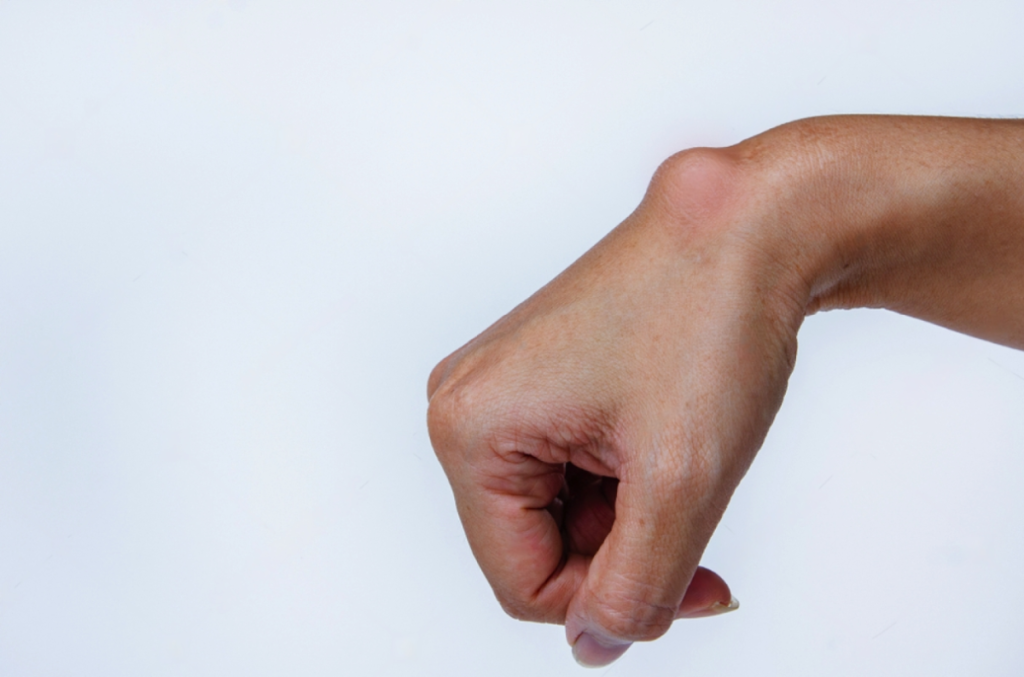
Ganglion cysts are fluid-filled lumps that commonly appear on the joints and tendons of the wrist, hand, and sometimes the foot or ankle. They are noncancerous but can vary in size, sometimes growing large enough to affect movement or cause discomfort. Repetitive joint or tendon stress is one factor that may contribute to their development, though many cysts appear without a clear cause. Women between the ages of 20 and 40 are most often affected, especially those with occupations or hobbies involving repetitive hand movements. Symptoms can range from a barely noticeable bump to stiffness, aching, or restricted motion. Even if painless, cysts can interfere with gripping objects or performing daily activities. Early recognition allows patients to evaluate treatment options, including surgery, for optimal results.
Recognizing Symptoms and Getting Diagnosed
The hallmark sign of a ganglion cyst is a visible lump that may be firm or spongy to the touch. Patients may notice swelling, tenderness, or discomfort when moving the affected joint. Stiffness and limited range of motion are also common, particularly in wrist or hand cysts. Medical diagnosis begins with a physical examination where the doctor assesses the size, mobility, and sensitivity of the lump. Imaging tests, such as ultrasound or MRI, provide detailed insight into the cyst’s structure and relationship with surrounding tissues. Prompt evaluation is important when cysts cause pain or interfere with daily life. Understanding symptoms helps patients decide whether non-surgical management or surgical removal is appropriate.
Exploring Non-Surgical Management
Not all ganglion cysts require surgery. Some may shrink on their own or remain asymptomatic for long periods. Lifestyle adjustments, such as reducing repetitive stress or using supportive braces, can prevent cyst enlargement. Aspiration involves draining the cyst fluid with a needle, providing temporary relief but not always preventing recurrence. Anti-inflammatory medications can help manage discomfort or swelling. Non-surgical methods are usually the first line of treatment, particularly for small or painless cysts. Patients who do not experience improvement with these measures may consider surgery.
Surgical Options for Ganglion Cysts in Manila
When cysts cause persistent pain or limit mobility, surgery becomes a viable option. Two primary techniques are commonly used: open excision and arthroscopic removal. Open excision involves making an incision directly over the cyst to remove it along with its stalk. Arthroscopic removal is minimally invasive, using a tiny camera and specialized instruments through small incisions. Pre-surgery consultation includes reviewing medical history, discussing anesthesia options, and preparing the patient for recovery. Surgery typically lasts between 30 minutes and an hour, depending on the cyst’s size and location. Clinics in Manila are equipped with modern surgical tools, ensuring precise removal and patient safety.
Post-Surgery Recovery and Care
After surgery, proper aftercare is essential for healing and regaining mobility. The surgical site is usually bandaged and may be immobilized with a splint to reduce swelling and support recovery. Pain management involves prescribed medications, and following instructions carefully can prevent complications. Physical therapy or guided exercises are often recommended to restore strength and flexibility. Patients should avoid heavy lifting or repetitive movements until cleared by their surgeon. Follow-up visits allow monitoring of healing progress and early detection of potential recurrence. Recovery timelines can vary, with many patients resuming normal activities within a month and full recovery in 4 to 6 weeks.
Potential Risks and Complications
Surgical removal of ganglion cysts is generally safe, but some risks exist. Common complications include infection, scarring, and stiffness around the surgical area. Rarely, nerve or tendon injury can occur, especially for cysts near sensitive structures. Recurrence is possible if the cyst’s stalk is not completely removed. Choosing an experienced hand surgeon in Manila reduces these risks, as skilled specialists use advanced techniques to ensure complete cyst excision. Patients should monitor the surgical site for redness, swelling, or increased pain, and report any unusual symptoms immediately. Awareness of potential complications helps patients make informed decisions regarding surgery.
Selecting the Right Surgeon and Clinic
Choosing a qualified surgeon is critical for successful outcomes. Look for board-certified hand specialists with proven experience in ganglion cyst removal. Modern clinics with advanced imaging tools and minimally invasive options offer precise procedures and faster recovery. Clear consultation and communication about the procedure, risks, and recovery process increase patient confidence. Consider accessibility, patient support services, and insurance coverage when choosing a clinic. Comparing multiple facilities and reading patient reviews can help ensure the chosen clinic meets both quality and convenience standards.
Understanding Surgery Costs in Manila
The cost of ganglion cyst surgery varies depending on procedure type, clinic, and cyst complexity. Open excision is typically less expensive than arthroscopic surgery, though minimally invasive techniques often provide quicker recovery. Private hospitals may charge higher fees for comprehensive services, while specialized clinics may offer competitive rates. Additional expenses may include pre-surgery exams, anesthesia, medications, and physical therapy. Insurance may cover some costs, but patients should prepare for out-of-pocket expenses. Comparing options helps ensure patients find high-quality care that fits their budget.
Frequently Asked Questions
How long does ganglion cyst surgery take? Most procedures last between 30 minutes and one hour, depending on complexity.
Is ganglion cyst surgery painful? Mild post-surgery discomfort is normal but manageable with prescribed pain medications.
Can ganglion cysts return after surgery? Recurrence is possible, especially if the cyst stalk is not fully removed, but skilled surgeons reduce this risk.
When can I return to work or sports? Light activities can usually resume within weeks, with full recovery taking 4 to 6 weeks.
Are non-surgical options available in Manila? Observation, lifestyle adjustments, and aspiration are common non-surgical treatments.
How do I choose the best surgeon in Manila? Look for board-certified hand surgeons with experience in ganglion cyst removal, modern facilities, and positive patient feedback.
Takeaway
Ganglion cyst surgery in Manila offers an effective solution for patients experiencing discomfort or limited mobility due to cysts. Understanding the condition, exploring conservative treatments, and selecting a skilled surgeon ensure the best possible outcomes. Post-surgery care, including pain management and physical therapy, supports faster recovery and reduces the risk of recurrence. Modern clinics in Manila provide advanced surgical options, giving patients confidence in both open and minimally invasive procedures. With proper guidance and preparation, patients can return to daily activities with improved function and comfort.