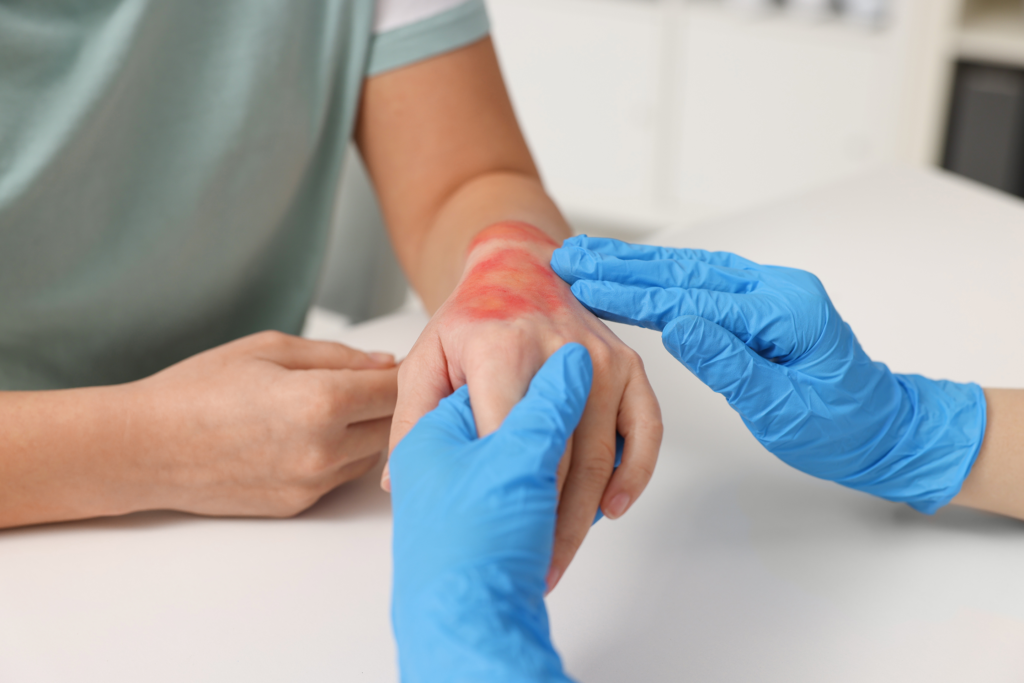
Medical wound care is essential for proper healing, preventing complications, and improving overall quality of life. Wounds that are not treated correctly can lead to infections, delayed recovery, and even serious health issues. For patients in Quezon City and surrounding areas, professional medical wound care ensures that every wound receives the attention it needs while addressing the person behind it. At Kalingap Wound Care Clinic, a holistic approach combines advanced technology with compassionate care guided by Filipino values of kalinga (care) and lingap (nurture).
Understanding Medical Wound Care
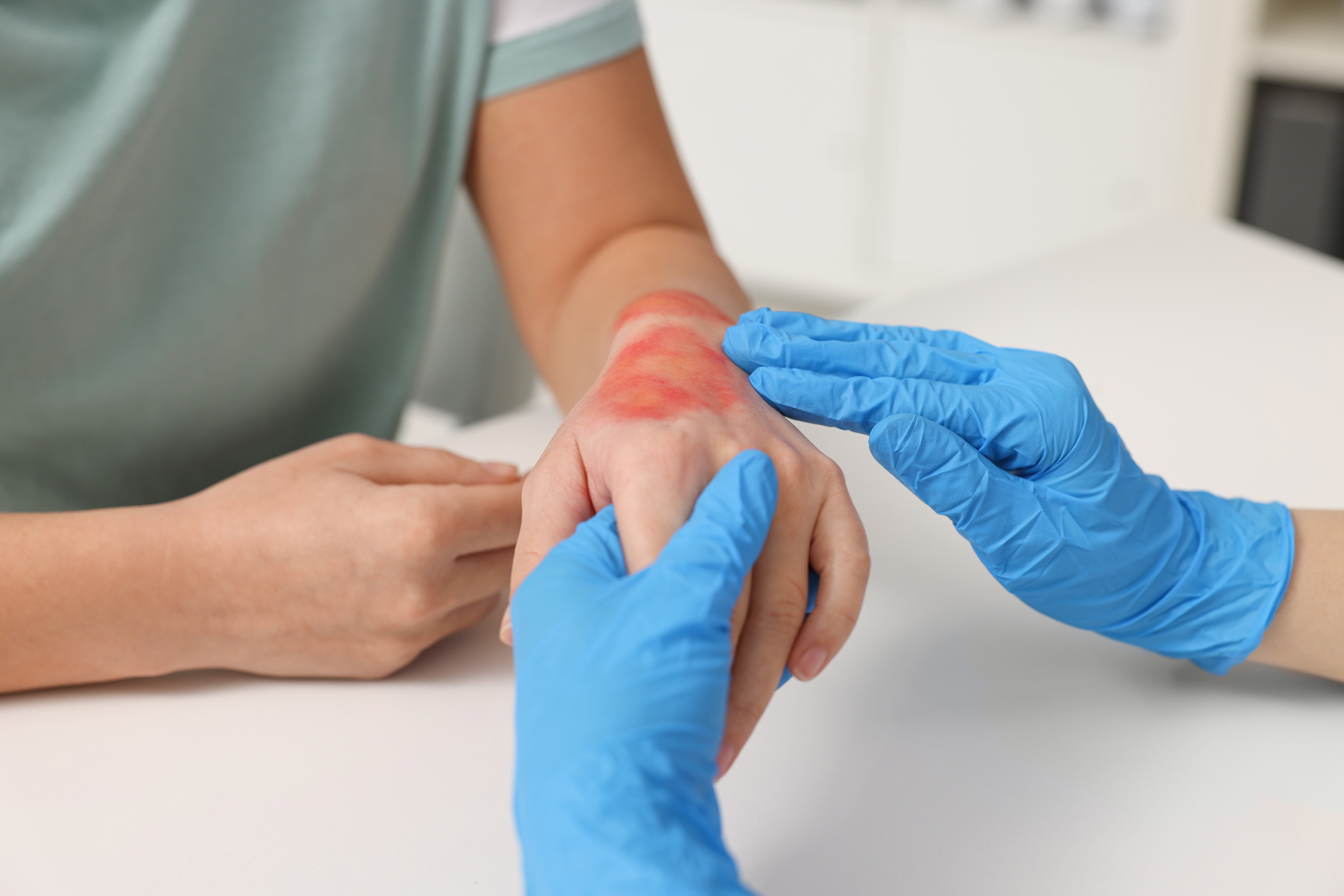
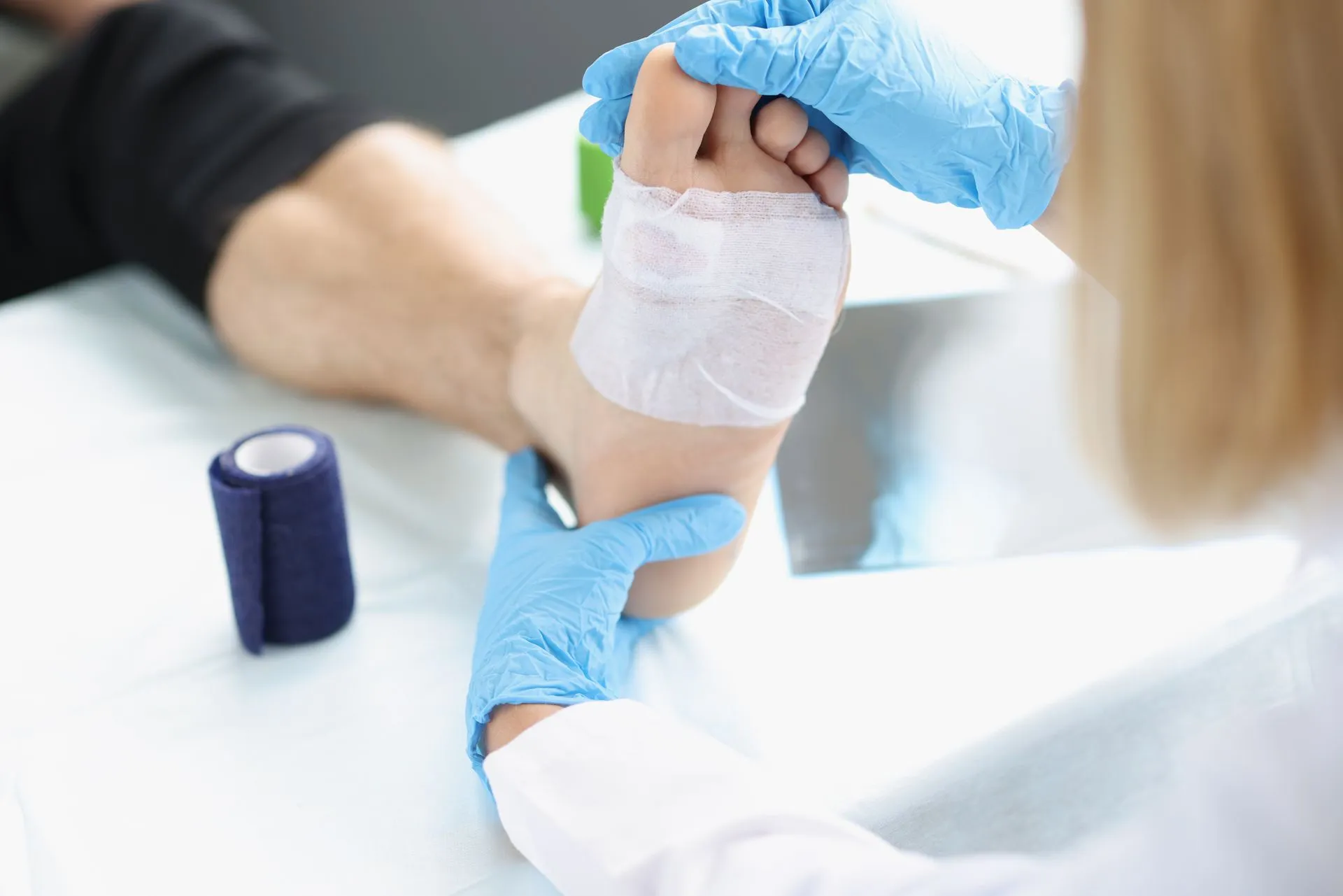
Medical wound care focuses on the professional assessment, treatment, and ongoing management of wounds caused by surgery, injury, chronic illnesses, or infections. Proper care is critical to prevent wounds from worsening, especially for patients with diabetes, compromised immune systems, or vascular conditions. Chronic wounds, such as diabetic foot ulcers or venous leg ulcers, require specialized interventions that go beyond standard first aid. Professional medical wound care ensures wounds are treated promptly, reducing the risk of infection and accelerating healing.
Many patients overlook the importance of wound care due to financial concerns, lack of awareness, or fear of medical procedures. Kalingap Wound Care Clinic addresses these barriers by providing affordable care without compromising quality. The clinic focuses on patient education, preventive strategies, and continuous support to empower individuals and communities.
Types of Wounds and Their Challenges
Wounds can be acute or chronic, each requiring a different approach to medical wound care. Acute wounds, such as cuts, abrasions, or surgical incisions, typically heal within a predictable timeframe with proper care. Chronic wounds, on the other hand, fail to progress through the normal stages of healing and may persist for weeks or months. Chronic wounds are often linked to underlying conditions such as diabetes, venous insufficiency, or prolonged immobility.
Diabetic wounds are a common type of chronic wound. High blood sugar levels can impair circulation and nerve function, making it difficult for the body to heal effectively. Without proper medical wound care, diabetic wounds may become infected and even lead to amputation. Pressure ulcers, also known as bedsores, affect patients who are bedridden or have limited mobility. These wounds form due to prolonged pressure on certain areas of the body and require specialized care to prevent serious complications. Venous insufficiency wounds result from poor blood circulation, often affecting the legs, and can become painful and difficult to heal without targeted interventions.
Every wound has unique challenges, and professional medical wound care ensures that each patient receives personalized treatment that considers both the wound and the underlying health factors.
Holistic Approach to Wound Healing
Effective medical wound care involves more than addressing the wound itself. A holistic approach considers the patient’s overall health, emotional well-being, and lifestyle. At Kalingap Wound Care Clinic, medical wound care is delivered with compassion and attention to the individual, reflecting Filipino values of family and community care.
Managing underlying health conditions is essential to achieving optimal healing outcomes. For instance, a patient with diabetes may require adjustments in diet, blood sugar monitoring, and guidance on foot care to prevent future wounds. Emotional support is equally important, as chronic wounds can cause stress, anxiety, and frustration. Medical wound care at Kalingap integrates counseling, education, and encouragement to help patients navigate the healing process with confidence.
Patient education is a cornerstone of holistic wound care. Understanding how wounds heal, recognizing early signs of infection, and learning preventive measures empower patients to actively participate in their recovery. The clinic’s outreach programs further extend holistic care to underserved communities in Metro Manila, making professional medical wound care accessible to more individuals.
Advanced Treatments in Modern Wound Care
Medical wound care has evolved significantly, with modern technologies improving healing outcomes and patient comfort. At Kalingap Wound Care Clinic, advanced treatments are combined with skilled, compassionate care to ensure effective recovery.
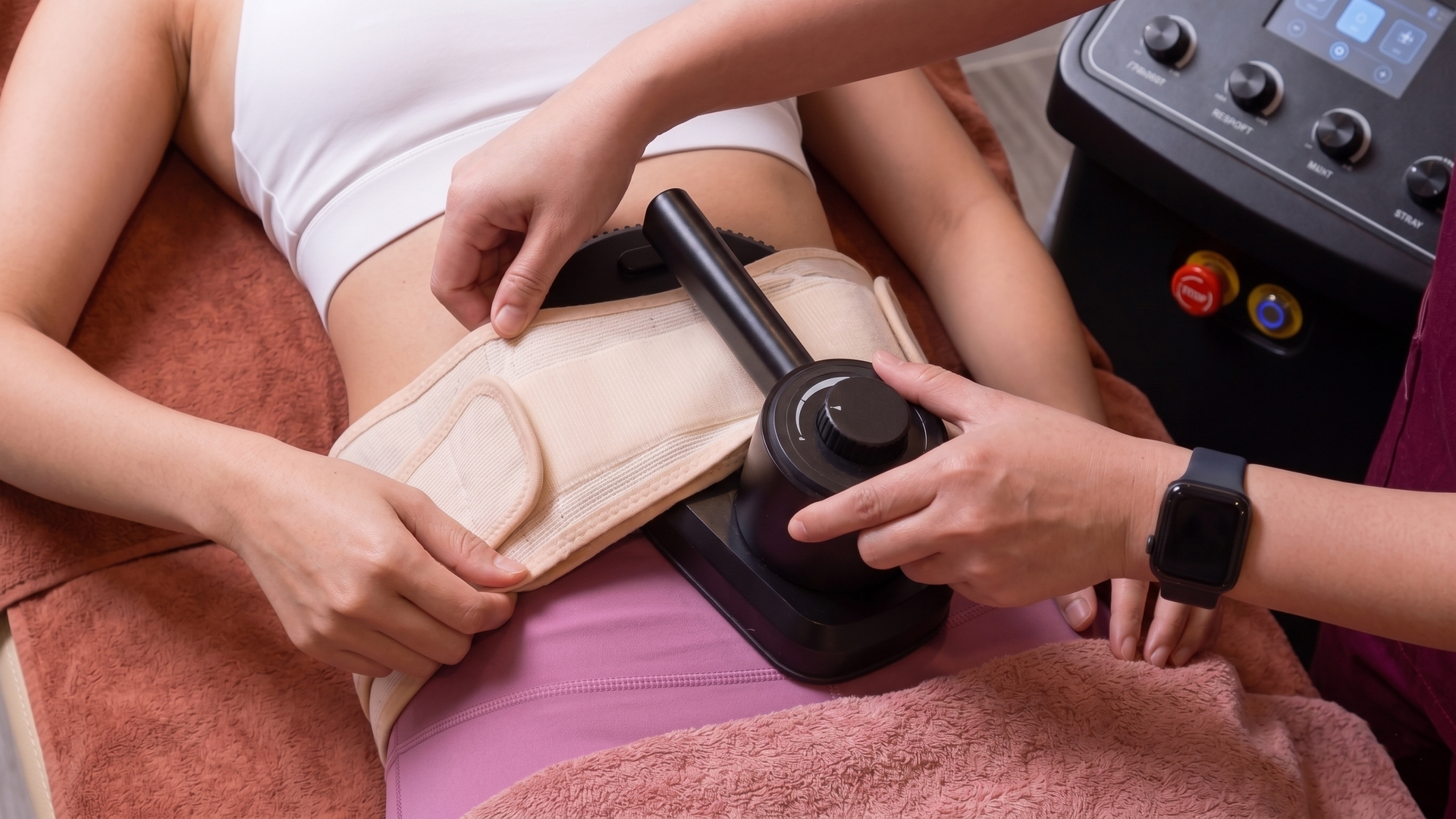
Ultrasonic debridement is a technique that uses high-frequency sound waves to remove dead tissue and promote healing. This method is less painful than traditional debridement, reduces the risk of infection, and encourages faster tissue regeneration. Negative Pressure Wound Therapy (NPWT) is another advanced option that uses controlled suction to remove excess fluid from the wound, increase blood flow, and stimulate healing. NPWT is especially effective for chronic or large wounds and can significantly shorten recovery time.
Other medical wound care interventions include specialized dressings, infection control measures, and continuous monitoring to prevent complications. Each treatment is tailored to the patient’s needs, considering factors such as wound type, size, and underlying health conditions. Skilled healthcare staff at Kalingap ensure that patients receive treatments with precision, safety, and empathy, providing a supportive environment throughout the healing process.
Preventive Strategies and Home Care
Preventive care is a critical component of medical wound care. Patients are guided on strategies to reduce the risk of wounds and support ongoing healing. Proper nutrition, hygiene, and mobility play key roles in maintaining healthy skin and preventing chronic wounds. Patients with diabetes or circulatory issues are encouraged to monitor their condition closely, practice daily foot care, and seek medical attention promptly for any new wounds.
Education on early warning signs, such as redness, swelling, or unusual discharge, helps patients identify issues before they worsen. Home care routines, including dressing changes and wound hygiene, complement professional treatments and speed up recovery. Regular follow-ups with medical wound care specialists ensure that healing progresses smoothly and adjustments to treatment are made when necessary.
By combining professional medical interventions with home-based preventive strategies, patients can achieve better outcomes and reduce the likelihood of recurring wounds.
Accessibility and Community Commitment
Kalingap Wound Care Clinic prioritizes making medical wound care accessible and affordable for all patients, especially those in underserved communities. Many individuals in Quezon City face financial challenges that prevent them from seeking timely wound care. The clinic addresses these barriers through outreach programs, partnerships with local health organizations, and innovative affordability strategies.
The clinic’s commitment to the community goes beyond medical treatment. Educational initiatives, preventive workshops, and patient support programs empower individuals with knowledge and confidence to take control of their health. By integrating professional medical care with community engagement, Kalingap ensures that patients receive comprehensive care that addresses both physical and emotional needs.
Medical wound care at Kalingap reflects Filipino values of family, nurturing care, and community support, creating an environment where patients feel respected, understood, and supported throughout their healing journey.
Takeaway
Medical wound care plays a crucial role in promoting healing, preventing complications, and enhancing overall well-being. Professional treatment addresses not only the wound but also the underlying health factors, emotional support, and patient education needed for lasting recovery. Kalingap Wound Care Clinic in Quezon City offers advanced, compassionate, and accessible medical wound care for individuals of all ages and health conditions. Patients benefit from a holistic approach that blends modern technology with Filipino-centered care values, ensuring both effective healing and a positive patient experience.
Scheduling a consultation with Kalingap ensures that wounds are treated promptly and safely while empowering patients with knowledge and support for long-term health.
Frequently Asked Questions (FAQ)
What is medical wound care?
Medical wound care involves professional assessment, treatment, and management of wounds, including chronic and acute wounds, to promote healing and prevent complications.
Why is specialized wound care important?
Specialized wound care addresses underlying conditions, prevents infection, and ensures faster and safer healing. Chronic wounds, diabetic ulcers, and pressure sores require expert attention.
What treatments are available at Kalingap Wound Care Clinic?
The clinic provides ultrasonic debridement, negative pressure wound therapy, specialized dressings, infection control, and continuous monitoring, delivered by trained healthcare staff.
Can medical wound care be affordable?
Yes. Kalingap Wound Care Clinic offers strategies and community outreach programs to make medical wound care accessible and affordable for all patients.
How can patients prevent chronic wounds?
Preventive measures include proper nutrition, hygiene, daily monitoring of at-risk areas, mobility, and early intervention for new wounds.
Who can benefit from medical wound care?
Patients with chronic wounds, diabetes, immune system concerns, circulatory issues, or post-surgical wounds benefit from professional medical wound care.